In the seamless interaction we have with our modern devices, from silencing a phone call by simply bringing it to your ear to a car warning you of an obstacle while parking, a small but crucial component is at work: the proximity sensor. But what exactly is a proximity sensor? At its core, a proximity sensor is an electronic device designed to detect the presence or absence of nearby objects without any physical contact. It achieves this by emitting a field or a beam of electromagnetic radiation, often infrared light, and then looking for changes in the field or the return signal. The primary function is to determine if an object is "near" or "far," typically within a range of a few millimeters to several centimeters, though some industrial sensors can detect objects meters away.
The working principle varies based on the technology employed. The most common type found in consumer electronics is the infrared (IR) proximity sensor. It consists of an IR LED that emits an invisible infrared light and a photodiode or phototransistor that senses the reflected light. When an object comes close, the infrared light bounces back to the sensor. The receiver detects this reflected light, and the sensor's circuitry interprets the intensity to determine the object's proximity. This is precisely what allows your smartphone screen to turn off during a call, preventing accidental cheek-presses.
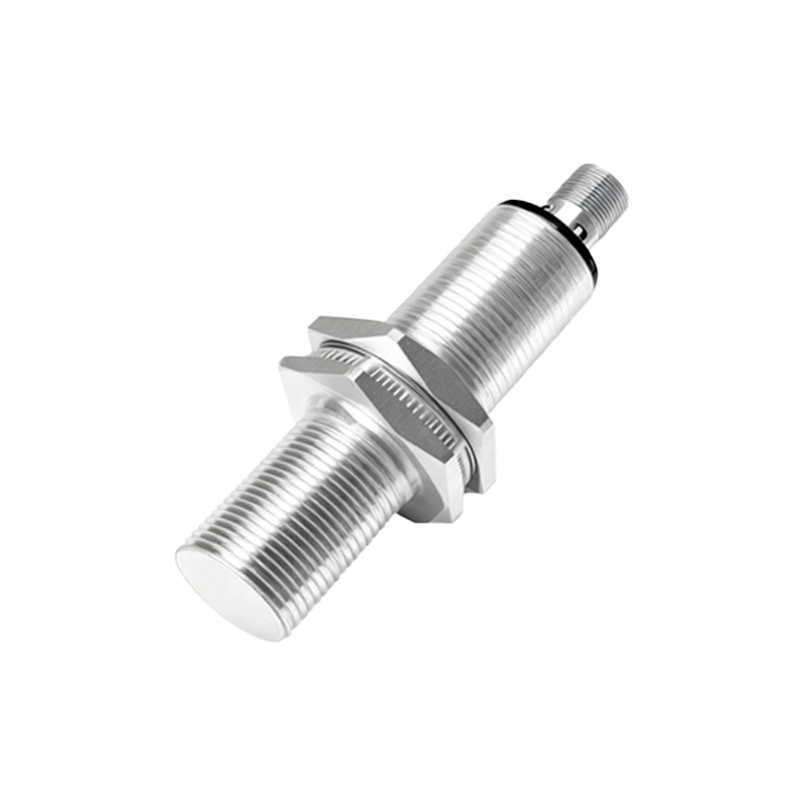
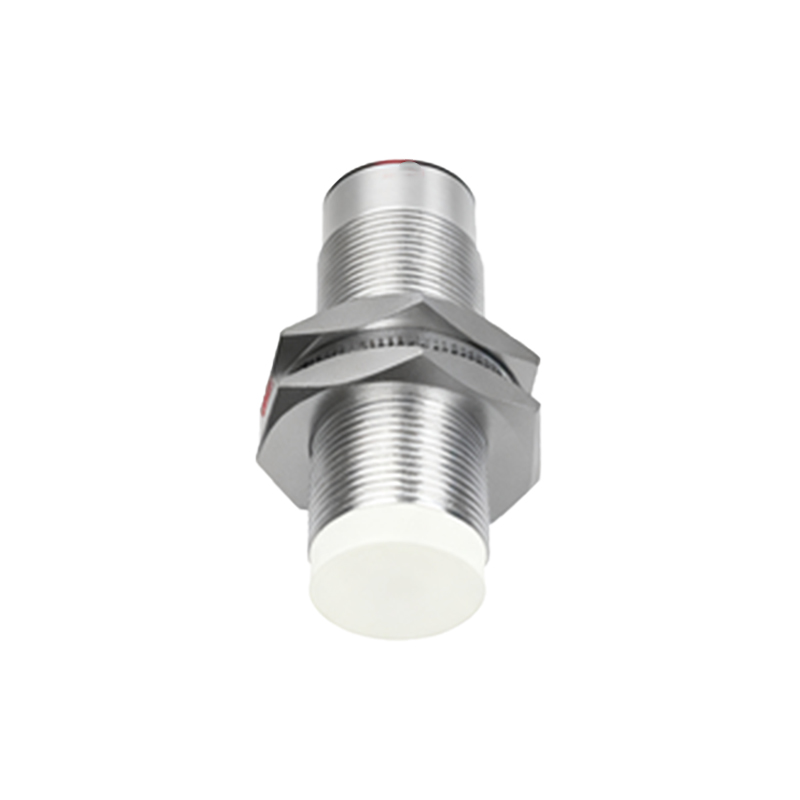
Another prevalent technology is the capacitive proximity sensor. Instead of light, it detects changes in capacitance. The sensor creates an electrostatic field. When an object, especially a conductive one like a human hand, enters this field, it alters the capacitance. The sensor monitors this change to trigger an action. These are widely used in touchscreens and touch-sensitive buttons. For longer ranges and detection of metallic objects, inductive proximity sensors are the industry standard. They generate an electromagnetic field, and when a metal object enters this field, it induces eddy currents within the object, which in turn cause a detectable change in the sensor's oscillation amplitude. You'll find these in factory automation, machine tools, and robotics.
Ultrasonic sensors use sound waves beyond human hearing. They emit ultrasonic pulses and calculate the time it takes for the echo to return, effectively measuring distance. This technology is common in automotive parking sensors, liquid level measurement, and even some robotic vacuum cleaners. Each technology has its strengths: IR is cost-effective for short-range, capacitive is excellent for touch, inductive is robust for metals, and ultrasonic is good for longer ranges and various materials.
The applications of proximity sensors are vast and integral to daily life and industry. In smartphones and tablets, they manage screen behavior. In automotive systems, they are key to parking assistance, blind-spot monitoring, and automatic door openers. In retail, they can trigger welcome messages or informational displays when a customer approaches. Industrial manufacturing relies heavily on them for object counting, position verification, and machine safety, ensuring smooth and secure assembly line operations. In home appliances, they add convenience, like in faucets that turn on automatically when hands are detected.
When selecting a proximity sensor for a project, several key specifications must be considered. The sensing range defines the maximum distance at which the sensor can reliably detect an object. The response time indicates how quickly the sensor can react to a change in proximity. The output type is crucial—it could be a simple digital on/off signal, an analog voltage proportional to distance, or a serial data protocol. Environmental factors like ambient light (for IR sensors), temperature, and the presence of dust or liquids also dictate the choice, often leading to sensors with specific Ingress Protection (IP) ratings.
Looking ahead, the evolution of proximity sensing is intertwined with the growth of the Internet of Things (IoT) and smarter automation. Sensors are becoming smaller, more energy-efficient, and more intelligent, with integrated processing capabilities. They are also being fused with other sensors, like ambient light sensors, to provide more contextual awareness to devices. Future advancements may bring more accurate and multi-functional sensors that can not only detect presence but also identify materials or gestures, further blurring the line between the physical and digital worlds.
In summary, a proximity sensor is a fundamental enabling technology for non-contact detection. Its ability to sense the immediate environment allows our devices and machines to interact with the world intelligently and responsively. From the simple act of preventing screen touches to complex industrial automation, these unseen components play a pivotal role in creating a more intuitive, efficient, and safe technological landscape.