In the demanding environment of coal mining, monitoring airborne dust is not merely a regulatory requirement—it is a critical component of worker safety and operational efficiency. Among the various technologies employed, laser dust sensors have emerged as a superior solution for real-time, accurate particulate measurement. This article delves into the significance of these devices, with a particular focus on the practical insights gained from examining coal mine laser dust sensor images.
Visually, a typical laser dust sensor installed in a coal mine presents a robust and purpose-built design. Images often reveal a compact, hardened enclosure, designed to withstand harsh conditions including high humidity, variable temperatures, and potential physical impacts. The housing is usually made from durable materials like stainless steel or industrial-grade plastics with high ingress protection (IP) ratings. A key visual element is the sampling inlet and outlet, where air is drawn into the detection chamber. In many images, one can observe these ports designed to minimize clogging from larger particles, a common challenge in dusty environments.
The internal mechanism, often illustrated in cutaway or diagrammatic images, is where the core technology resides. A low-power laser diode emits a focused beam of light into the sensing chamber. As dust-laden air passes through this beam, particles scatter the light. A strategically placed photodetector then measures the intensity and pattern of this scattered light. Sophisticated algorithms convert this optical data into precise mass concentration readings for particulate matter (PM), such as PM2.5 and PM10. Images highlighting this internal layout help users and safety officers understand the principle of operation, fostering greater trust in the data provided.
Analyzing installation images provides crucial practical knowledge. Sensors are typically mounted in key locations: near continuous miners, at conveyor transfer points, along ventilation airways, and in personnel refuge areas. The images show mounting brackets that allow for secure fixation to ribs, beams, or dedicated posts. Proper positioning is visually emphasized—away from direct ventilation jets or dead-air zones to ensure representative sampling. Some images also showcase sensors integrated into broader mine monitoring networks, with visible cabling for power and data communication linking back to a central control room. This visual context underscores the sensor's role as a node in a comprehensive safety ecosystem.
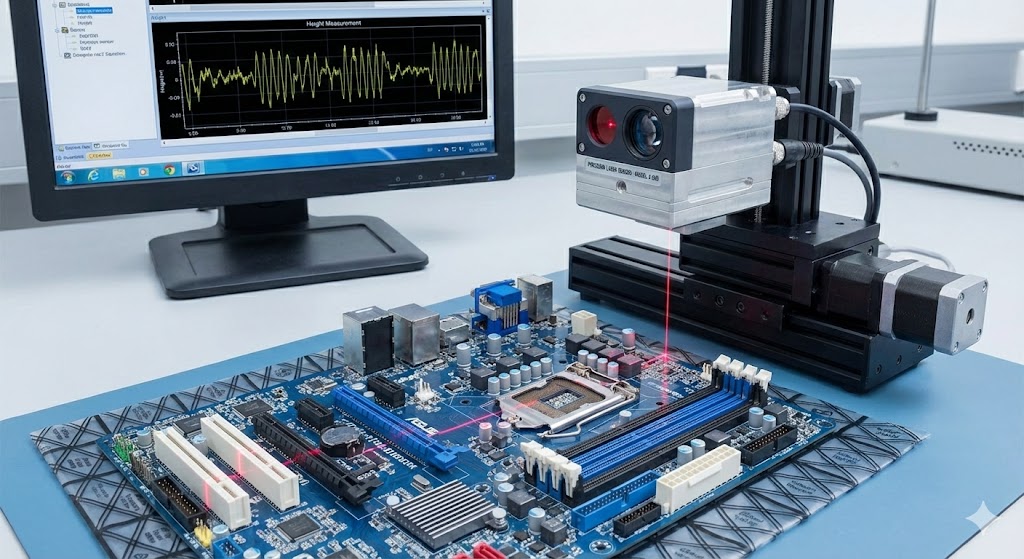
The user interface, as seen in promotional or manual images, is another critical aspect. Many modern sensors feature a local display, visible in images, showing real-time dust concentration, battery status (if wireless), and alarm indicators. These visual cues are designed for quick interpretation in low-light conditions. Accompanying software dashboard screenshots, sometimes included in image galleries, reveal trends, historical data logs, and geolocation of each sensor, enabling proactive dust management.

Furthermore, maintenance-related images are invaluable. They depict technicians performing routine cleaning of the inlet filters or the optical chamber using specialized tools. These visuals highlight the importance of regular maintenance to ensure long-term accuracy and reliability, a point crucial for operational planning. Comparative images showing clean versus contaminated optical components can powerfully illustrate the potential degradation in performance without upkeep.
In conclusion, coal mine laser dust sensor images are more than just product photographs. They serve as essential educational and verification tools. They demystify the technology for miners and managers, illustrate correct installation practices, showcase integration capabilities, and emphasize maintenance protocols. By providing a visual testament to their rugged design and sophisticated operation, these images reinforce the critical role laser dust sensors play in creating a safer, more compliant, and data-driven mining environment. The move from traditional, less reliable sampling methods to this laser-based, real-time monitoring represents a significant leap forward in industrial hygiene, and imagery plays a key part in communicating this advancement.
