In the world of industrial automation and smart devices, the ability to detect the presence or absence of an object without physical contact is fundamental. MD Proximity Sensors, a broad category encompassing various sensing technologies, serve as the critical "eyes" of countless systems. These sensors operate on the principle of emitting a field or beam and detecting changes in that field caused by a target object. The "MD" designation often relates to specific model series or features from manufacturers, but the core function remains reliable, non-contact detection.
The technology behind these sensors is diverse, primarily split into three main types: inductive, capacitive, and photoelectric. Inductive proximity sensors are the workhorses for detecting metallic objects. They generate an electromagnetic field. When a metal target enters this field, it induces eddy currents within the target, which in turn causes a change in the sensor's own oscillation amplitude. This change is detected and triggers a solid-state output switch. They are exceptionally robust, immune to environmental factors like dust or oil, and ideal for harsh industrial settings like machine tools or automotive assembly lines.
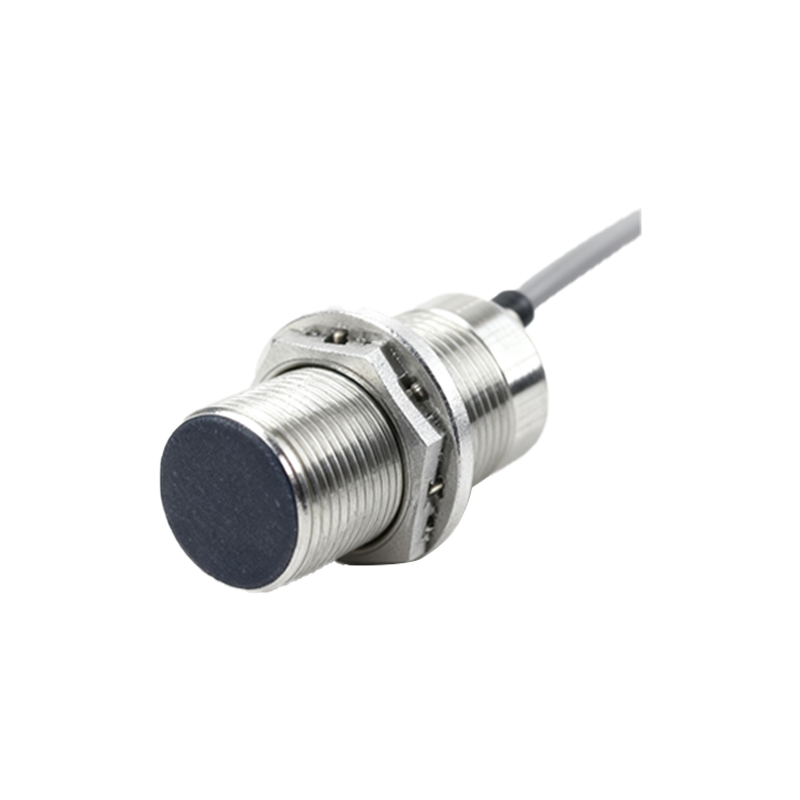
Capacitive proximity sensors, on the other hand, can detect both metallic and non-metallic materials—liquids, plastics, wood, or granules. They function by generating an electrostatic field. Any object with a dielectric constant different from air will alter the capacitance of the sensing field, triggering detection. This makes them perfect for level detection in tanks, material handling of non-metals, or presence detection of glass or cardboard.
Photoelectric sensors use light, typically infrared or laser, to detect objects. An emitter sends out a light beam, and a receiver detects it. The sensor triggers when the beam is broken (through-beam), reflected off a target (retro-reflective), or reflected off the target back to a receiver housed in the same unit (diffuse reflective). They offer the longest sensing ranges and can detect virtually any material, but their performance can be affected by ambient light, color, and surface properties of the target.
Selecting the right MD proximity sensor requires careful consideration of several key parameters. First, define the target material: metal, plastic, liquid, or other. This immediately narrows the choice to inductive or capacitive. Next, consider the required sensing distance. Inductive sensors have shorter ranges, typically up to 60mm, while photoelectric sensors can reach several meters. The operating environment is crucial; factors like temperature extremes, washdown conditions, or exposure to chemicals dictate the required housing material (often stainless steel or PBT plastic) and ingress protection (IP) rating.
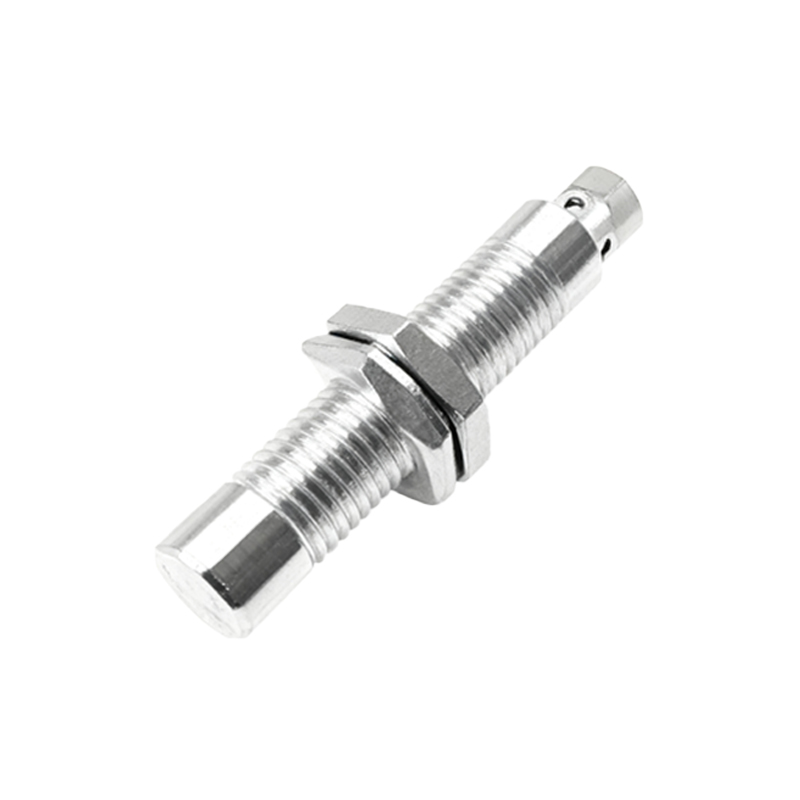
Electrical characteristics cannot be overlooked. Most sensors are available in DC (NPN or PNP sourcing) or AC versions. The output configuration—normally open (NO) or normally closed (NC)—must match the control logic of the connected device, such as a Programmable Logic Controller (PLC). Physical size and mounting style (threaded barrel, rectangular, or limit-switch style) are determined by the installation space constraints.
In practical applications, MD proximity sensors are ubiquitous. In automotive manufacturing, inductive sensors count gears or confirm piston position. In packaging lines, capacitive sensors ensure bottles are filled to the correct level, while photoelectric sensors count boxes on a conveyor. In consumer electronics, miniature capacitive sensors enable touchless faucets or screen wake-up features. Their reliability, speed, and longevity—with no moving parts to wear out—make them indispensable for enhancing efficiency, safety, and automation.
When integrating these sensors, proper installation and wiring are vital. Ensuring a stable power supply, correct polarity, and adequate protection from electrical noise (like using shielded cables near motors) prevents erratic operation. Regular maintenance, primarily keeping the sensing face clean and free from buildup, ensures consistent performance over years of service.
Ultimately, MD Proximity Sensors are more than simple switches. They are sophisticated components that bridge the physical and digital worlds, providing the essential data that drives automated decision-making. Understanding their operating principles, types, and selection criteria empowers engineers and technicians to build more responsive, reliable, and intelligent systems across every industry.