When the iPhone 12 series launched, it brought a wave of new features and capabilities. Among the discussions about its design, 5G connectivity, and A14 Bionic chip, a common question emerged regarding its sensor suite: Does the iPhone 12 have a laser sensor? The answer is nuanced and depends on the specific model within the lineup.
The term "laser sensor" in the context of modern smartphones typically refers to a LiDAR (Light Detection and Ranging) scanner. This technology uses pulsed laser light to measure distances and create detailed depth maps of the surrounding environment. It's a sophisticated form of depth-sensing that goes beyond traditional methods.
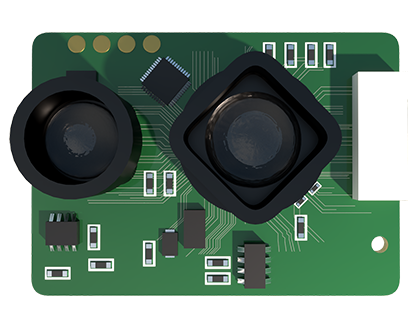
Here’s the crucial distinction: Not all iPhone 12 models include the LiDAR scanner. Apple reserved this advanced sensor for its Pro-tier devices. Therefore, the iPhone 12 Pro and iPhone 12 Pro Max are equipped with the LiDAR scanner located on the rear camera module. In contrast, the standard iPhone 12 and iPhone 12 mini do not feature this laser-based sensor.
For the models that have it, the LiDAR scanner serves multiple innovative purposes. In photography and videography, it enables dramatically faster and more accurate autofocus in low-light conditions, reducing the time your phone needs to "hunt" for focus. This results in sharper night-mode portraits and improved performance in the dark. Furthermore, it enhances Augmented Reality (AR) experiences. Apps can instantly map a room, placing virtual objects with realistic occlusion and interaction with the physical space. From measuring rooms with the Measure app to trying on furniture virtually or playing immersive AR games, the LiDAR scanner provides a foundation for more stable and realistic AR.
It's important to differentiate this from another sensor sometimes colloquially called a "laser." Some Android phones have used a simpler laser autofocus sensor, which is a basic proximity sensor that assists with focusing. The iPhone's LiDAR is a far more advanced and capable system designed for detailed spatial awareness, not just focus assistance.
For users of the standard iPhone 12 or 12 mini, the absence of LiDAR does not mean a deficient experience. These models still boast excellent camera systems with features like Deep Fusion, Smart HDR 3, and Night mode on all cameras. Their AR capabilities, powered by the A14 Bionic chip and other sensors like the gyroscope and accelerometer, are still very robust for most applications available on the App Store.
Why would Apple differentiate in this way? It comes down to product segmentation and targeting specific user bases. The Pro models are aimed at professionals and enthusiasts who demand the absolute best tools for photography, videography, and development of advanced AR applications. The LiDAR scanner is a key differentiator that justifies the higher price point for these users.
In summary, if you are asking whether the iPhone 12 has a laser sensor, you must specify the model. The iPhone 12 Pro and 12 Pro Max feature a sophisticated LiDAR scanner that enhances photography, videography, and AR. The standard iPhone 12 and 12 mini, while lacking this specific hardware, remain powerful devices capable of delivering a top-tier smartphone experience. When considering a purchase or evaluating capabilities, understanding this distinction is key to aligning the device's features with your personal needs and how you intend to use your phone.