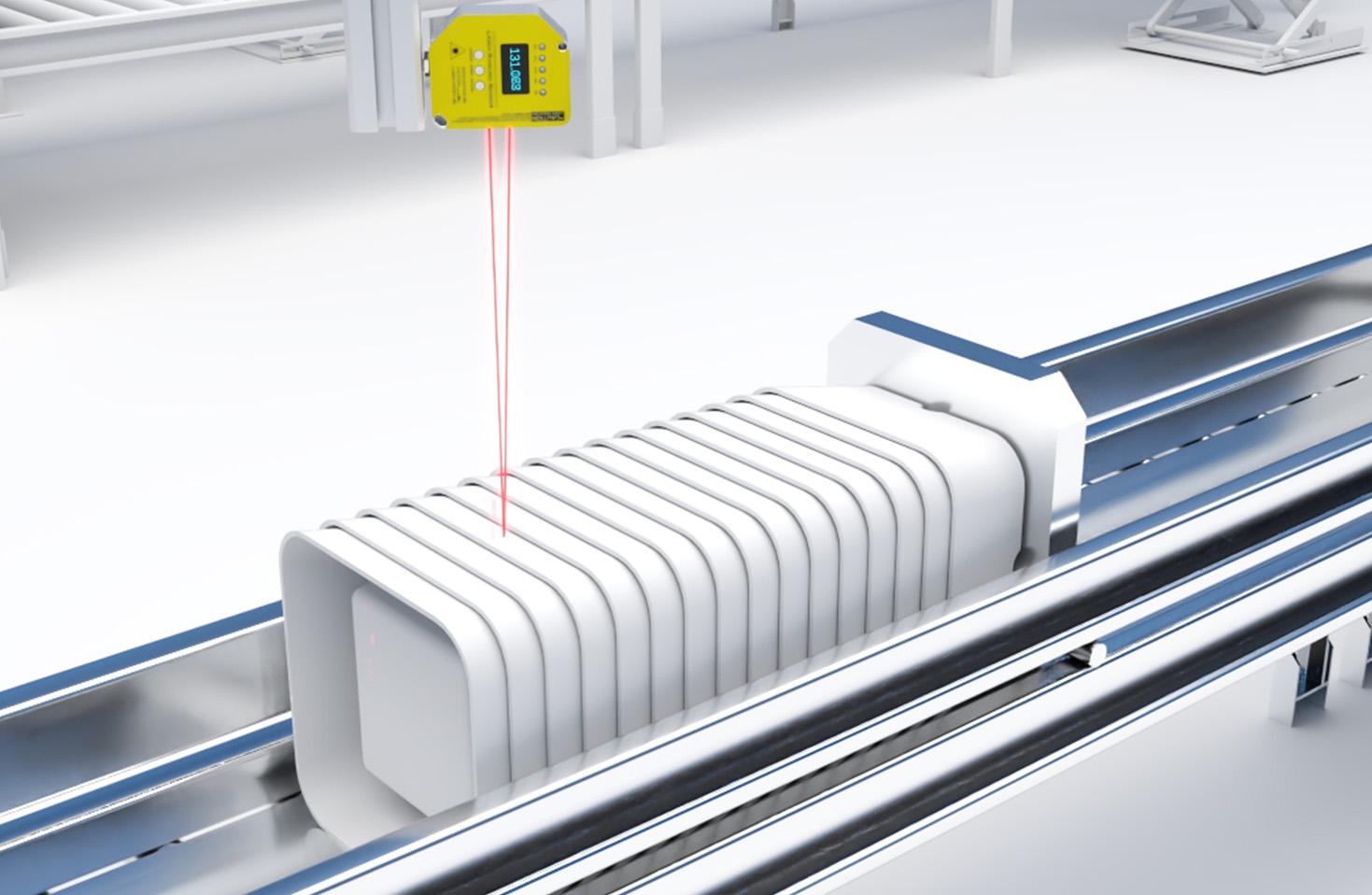
In the rapidly evolving landscape of industrial automation, laser sensors have emerged as a cornerstone technology, enabling unprecedented levels of precision, reliability, and efficiency. These sophisticated devices, which utilize laser light to detect, measure, or profile objects, are integral to a vast array of applications, from quality control on assembly lines to autonomous vehicle navigation. The global market for laser sensors is driven by the relentless demand for smarter manufacturing and the push towards Industry 4.0. This growth underscores the critical role of specialized laser sensor manufacturers and suppliers who provide the essential components powering this technological revolution.
Leading laser sensor manufacturers distinguish themselves through a deep commitment to research and development. Innovation is not merely an option but a necessity in this competitive field. Top-tier companies invest heavily in advancing core technologies such as time-of-flight (ToF), triangulation, and confocal measurement principles. This continuous R&D effort results in sensors with higher accuracy, faster response times, and enhanced robustness for harsh industrial environments. For instance, modern laser displacement sensors can achieve sub-micron resolution, while laser profile scanners can generate detailed 3D maps of objects in real-time. The ability to customize solutions for specific client needs—whether it's a unique form factor, a specific communication protocol like IO-Link or EtherCAT, or specialized software integration—is another hallmark of a superior supplier.
The supply chain for laser sensors is a complex ecosystem. Reputable suppliers do more than just distribute products; they act as technical partners. They maintain extensive inventories to ensure prompt availability, but their true value lies in providing comprehensive support. This includes detailed application engineering to help clients select the optimal sensor model, thorough documentation, and accessible technical assistance. For system integrators and OEMs (Original Equipment Manufacturers), a supplier's reliability and logistical capabilities are as important as the technical specifications of the sensors themselves. Timely delivery and consistent quality are paramount to keeping production lines running smoothly.
When evaluating potential suppliers, several key factors must be considered beyond the basic product catalog. First is product range and specialization. Some manufacturers excel in compact, cost-effective photoelectric sensors for object detection, while others are leaders in high-precision measurement sensors for metrology. Second is quality assurance and certification. Adherence to international standards like ISO 9001 and the availability of sensors with IP67 or higher ingress protection ratings are strong indicators of quality. Third is global support and local presence. A manufacturer with a worldwide network of distributors and service centers can offer faster response times and localized expertise, which is crucial for multinational operations.
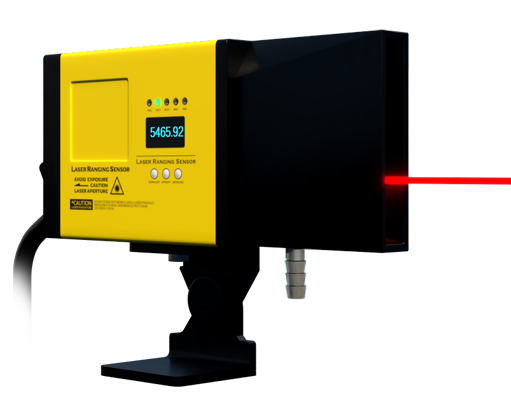
The applications for laser sensors are virtually limitless. In automotive manufacturing, they are used for robot guidance, weld seam tracking, and gap measurement. In electronics, they inspect micro-components and measure solder paste height. In logistics, they enable dimensioning systems and automated guided vehicle (AGV) safety. Looking ahead, the convergence of laser sensing with artificial intelligence and machine learning is opening new frontiers. Smart sensors with embedded analytics can now not only capture data but also interpret it, predicting maintenance needs or identifying complex defects without human intervention. This trend places additional demands on manufacturers to develop sensors that are not just precise but also intelligent and connected.

Choosing the right laser sensor manufacturer or supplier is a strategic decision that impacts operational efficiency, product quality, and long-term innovation potential. It requires a careful assessment of technical capability, product quality, supply chain stability, and partnership value. The most successful collaborations are built on transparency, shared expertise, and a mutual commitment to solving complex industrial challenges. As automation continues to deepen its reach, the companies that provide the essential "eyes" for machines—the laser sensors—will remain indispensable partners in shaping the future of manufacturing and beyond.