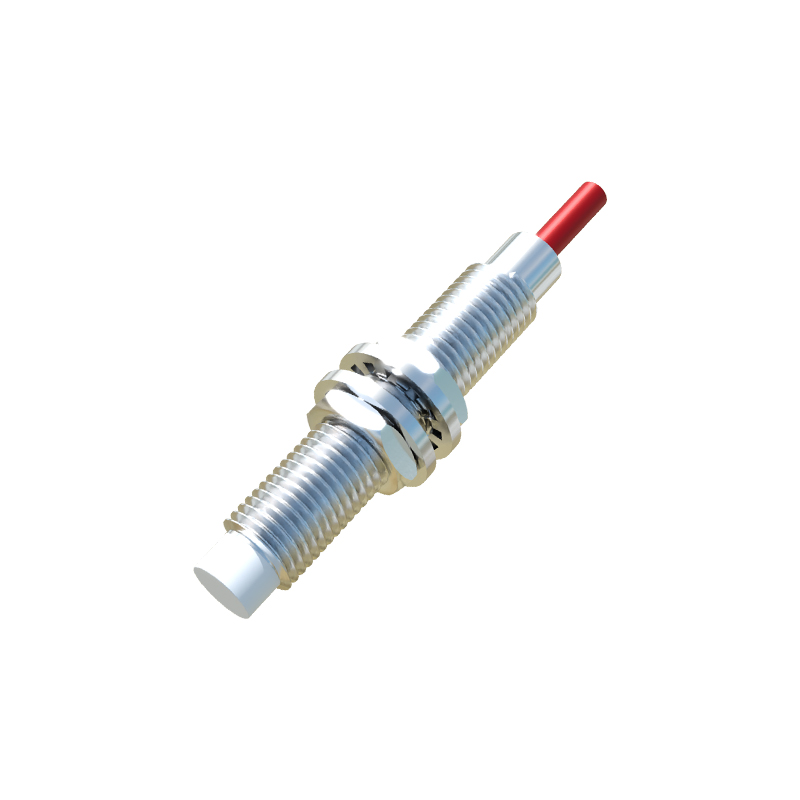
Proximity sensors are ubiquitous in modern technology, silently enabling functionalities in smartphones, industrial automation, vehicles, and countless other devices. Their core principle is deceptively simple: to detect the presence or absence of an object within a defined range without physical contact. However, beneath this simple definition lies a diverse array of operating principles, each suited to specific applications, environments, and target materials. Understanding these fundamental principles is key to selecting the right sensor for the job.
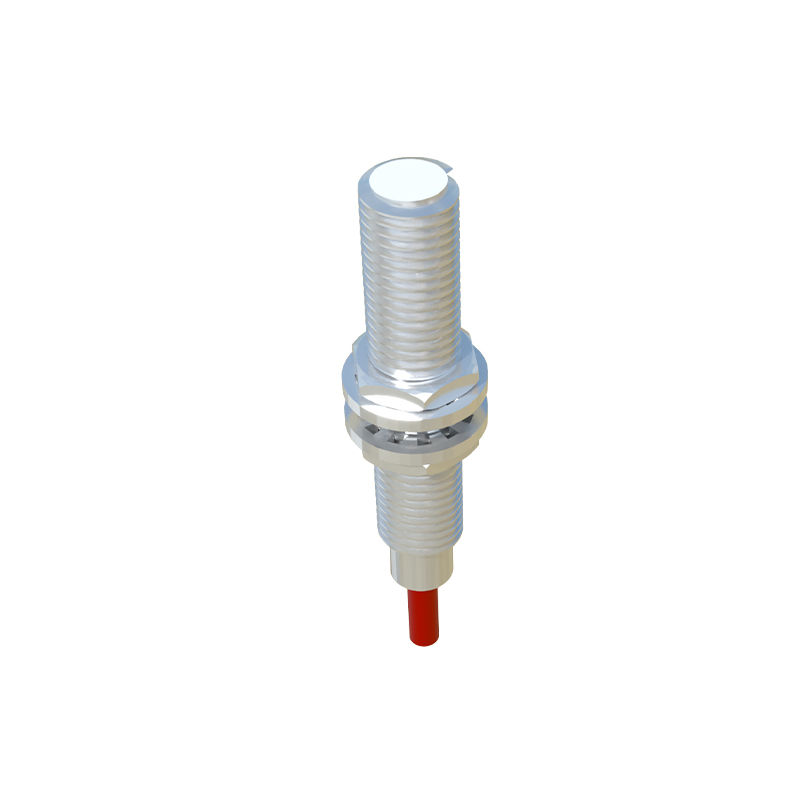
The most common principle is inductive sensing. This technology is used exclusively for detecting metallic objects, typically ferrous metals like iron and steel, though specialized versions can sense non-ferrous metals. An inductive proximity sensor contains a coil wound around a ferrite core, forming an oscillator circuit. When an alternating current passes through the coil, it generates an oscillating electromagnetic field at the sensor's face. When a conductive metal object enters this field, eddy currents are induced on the object's surface. These eddy currents draw energy from the sensor's oscillator, causing a reduction in the oscillation amplitude. An internal circuit monitors this amplitude change and triggers a solid-state switch when the drop reaches a predetermined threshold, indicating the object's presence. Inductive sensors are robust, resistant to dirt, dust, and moisture, making them ideal for harsh industrial environments for tasks like counting metal parts, detecting piston position, or ensuring machine safety.
For non-metallic objects, including liquids, plastics, wood, and glass, capacitive sensing is the principle of choice. A capacitive sensor operates similarly to an open capacitor. It has one or two conductive plates (the sensor face and sometimes a surrounding ring) that act as capacitor electrodes. The sensor generates an electrostatic field. Any object with a dielectric constant different from air (which is nearly all materials) will enter this field and alter the capacitance of the system. The sensor's electronics measure this change in capacitance. When the change exceeds a set level, the output switches. A key feature is the ability to adjust the sensitivity, allowing the sensor to ignore certain materials or detect others through thin barriers. This makes capacitive sensors perfect for level detection of liquids or granular materials in tanks, touch interfaces, and detecting filled packages on a production line.
Another widely adopted principle, especially in consumer electronics, is based on infrared (IR) light. These active optical sensors consist of an IR LED emitter and a photodetector (like a phototransistor or photodiode). There are two primary configurations: reflective and through-beam. In a reflective-type proximity sensor, the emitter sends out a beam of modulated infrared light. If an object is within range, the light reflects back to the photodetector. The sensor's circuitry then processes this reflected signal to determine presence. Sophisticated versions can even provide rudimentary distance information by measuring the intensity of the return signal. These sensors are common in smartphones to turn off the display during a call. Through-beam sensors have separate units for the emitter and receiver, detecting an object when it breaks the light beam between them, offering very long sensing ranges and high precision.
Ultrasonic sensors use sound waves beyond the human hearing range (typically 40-200 kHz). They operate on the principle of echolocation, similar to sonar. The sensor emits short, high-frequency sound pulses from a piezoelectric transducer. These pulses travel through the air, hit a target object, and reflect as an echo back to the sensor. An internal timer measures the time interval between the emitted pulse and the received echo. Since the speed of sound in air is known, the distance to the object can be calculated precisely using the formula: Distance = (Speed of Sound × Time of Flight) / 2. Ultrasonic sensors are excellent for detecting objects of virtually any material, shape, or color, and they are unaffected by dust, smoke, or light conditions. They are used for distance measurement, level sensing in bins, and object detection in challenging environments.
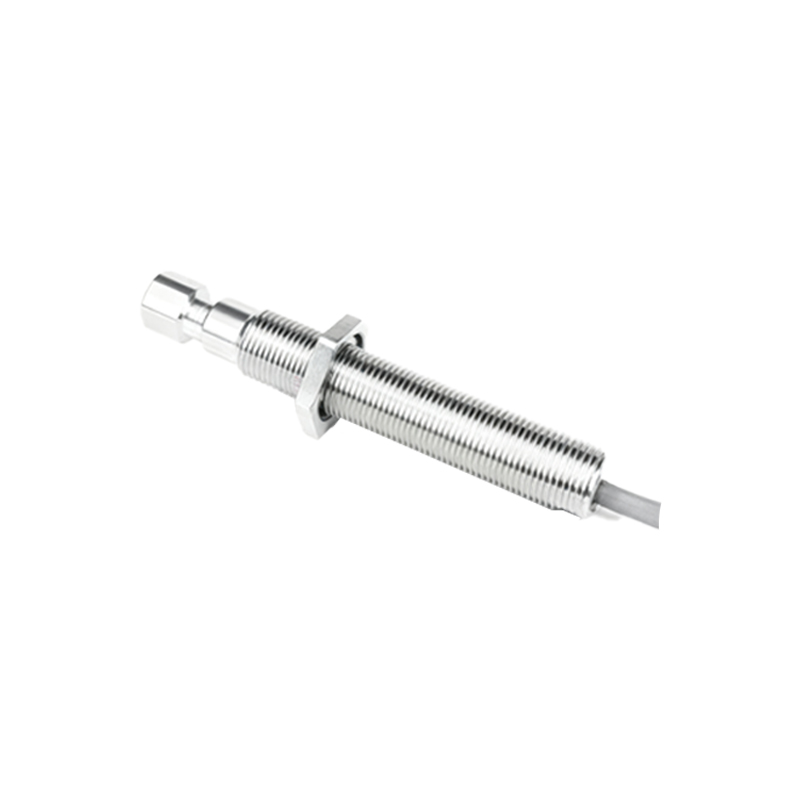
Magnetic proximity sensors, often called reed switches or Hall-effect sensors, detect the presence of a permanent magnet. Reed switches contain two ferromagnetic reeds sealed in a glass tube. When a magnet approaches, the reeds magnetize and attract each other, making contact to close a circuit. Hall-effect sensors are solid-state devices that produce a voltage output when exposed to a magnetic field. Both types are used for simple position detection, such as in door/window security alarms or sensing the position of a cylinder with an embedded magnet.
Each principle has its strengths and limitations. Inductive sensors are durable but metal-only. Capacitive sensors detect most materials but can be influenced by environmental humidity. Optical sensors are fast and precise but can be fooled by transparent objects or ambient light. Ultrasonic sensors are versatile for distance but can have issues with soft, sound-absorbing materials. Magnetic sensors are simple and low-power but require a magnet on the target. The choice depends on the target