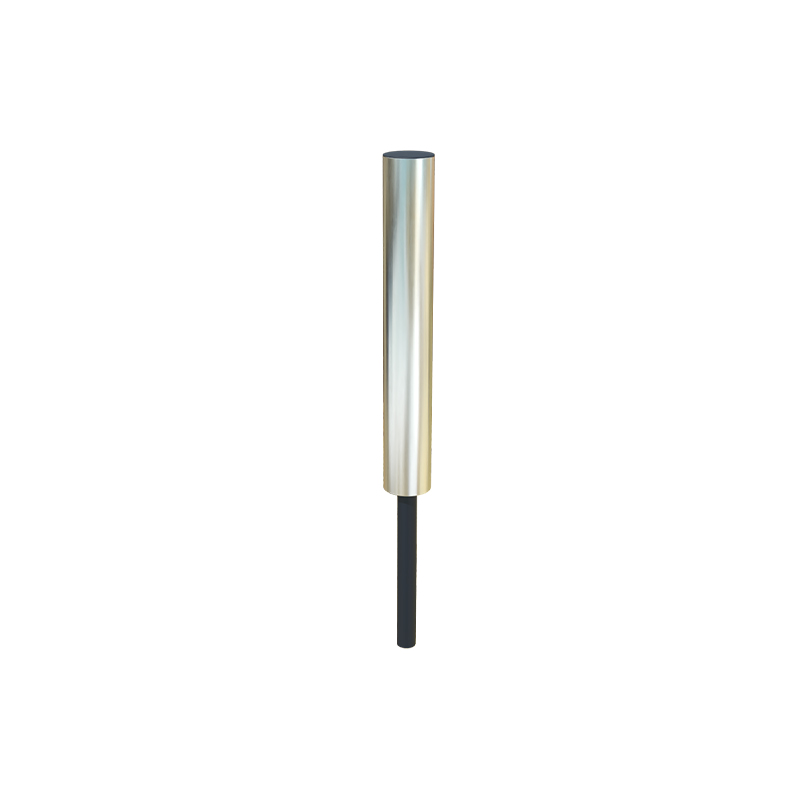
In the ever-evolving landscape of technology, a quiet revolution is taking place in how our devices perceive and interact with the world around them. The latest advancements in proximity sensing are moving far beyond the simple on/off toggles of the past, ushering in an era of nuanced, intelligent, and seamless interaction between humans and machines. This new breed of sensors is not merely an incremental upgrade; it represents a fundamental shift in capability, enabling applications previously confined to the realm of science fiction.
At the core of this transformation lies a move towards multi-modal sensing. Traditional infrared (IR) sensors, while reliable for basic detection, are being augmented or replaced by systems that combine various technologies. Time-of-Flight (ToF) sensors, for instance, use laser pulses to measure distance with millimeter precision, creating detailed depth maps of the surrounding environment. This allows a device not just to know if an object is present, but to understand its exact shape, distance, and even movement in three-dimensional space. Concurrently, advancements in ultrasonic sensing offer robust performance in challenging conditions where optical methods might fail, such as in the presence of dust, fog, or varying lighting.
Material science plays a pivotal role in this new wave. The development of novel, highly sensitive photodetectors and emitters operating at different wavelengths has expanded the functional range and accuracy of these systems. Furthermore, the integration of these sensors into flexible and transparent substrates is opening doors for their incorporation into curved displays, wearable electronics, and the surfaces of everyday objects without compromising design aesthetics. This invisibility is key to creating intuitive user experiences where the technology fades into the background.
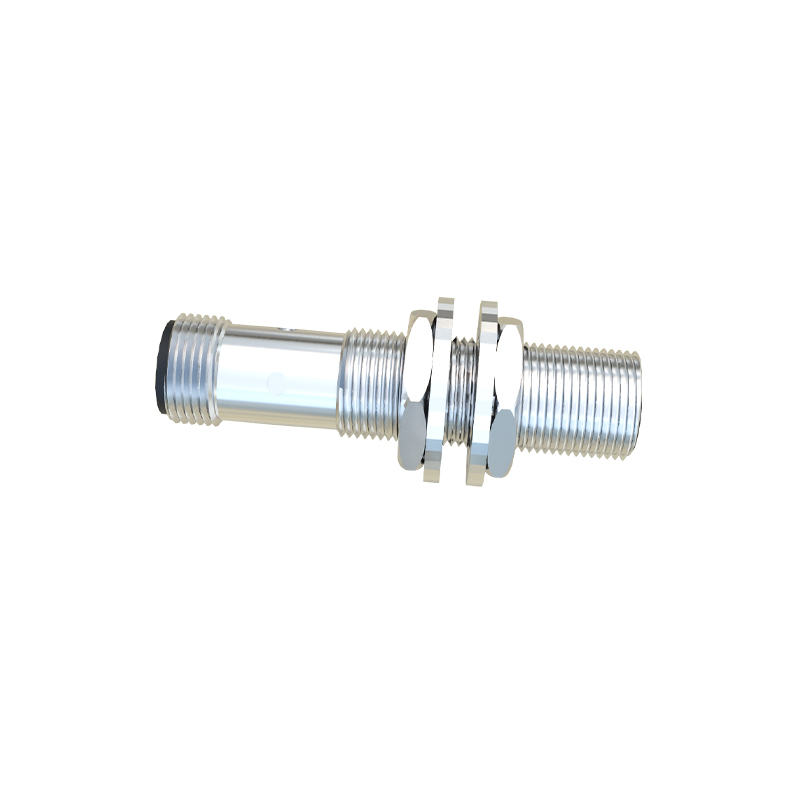
The true power of these advanced proximity sensors is unlocked through sophisticated data fusion and artificial intelligence. Raw data from ToF, ultrasonic, and capacitive sensors is processed by dedicated, low-power microprocessors running complex algorithms. These algorithms can distinguish between intentional gestures and accidental movements, recognize specific hand poses, or even monitor vital signs like breathing patterns from a distance. In an automotive context, a sensor array can differentiate between a pedestrian, a cyclist, and a street sign, enabling more nuanced and safer driver-assistance systems.
The applications are vast and growing. In consumer electronics, phones and tablets can now disable touchscreens more accurately when held to the ear, but also enable gesture-based controls for scrolling or media playback without physical contact. In smart homes, lights and appliances can respond to presence and specific commands given through air gestures, promoting both convenience and hygiene. Industrial robots equipped with these sensors can work safely alongside human colleagues, their precise field of awareness preventing accidents. In healthcare, non-contact monitoring of patients, especially neonates or burn victims, becomes possible, reducing infection risks and increasing comfort.
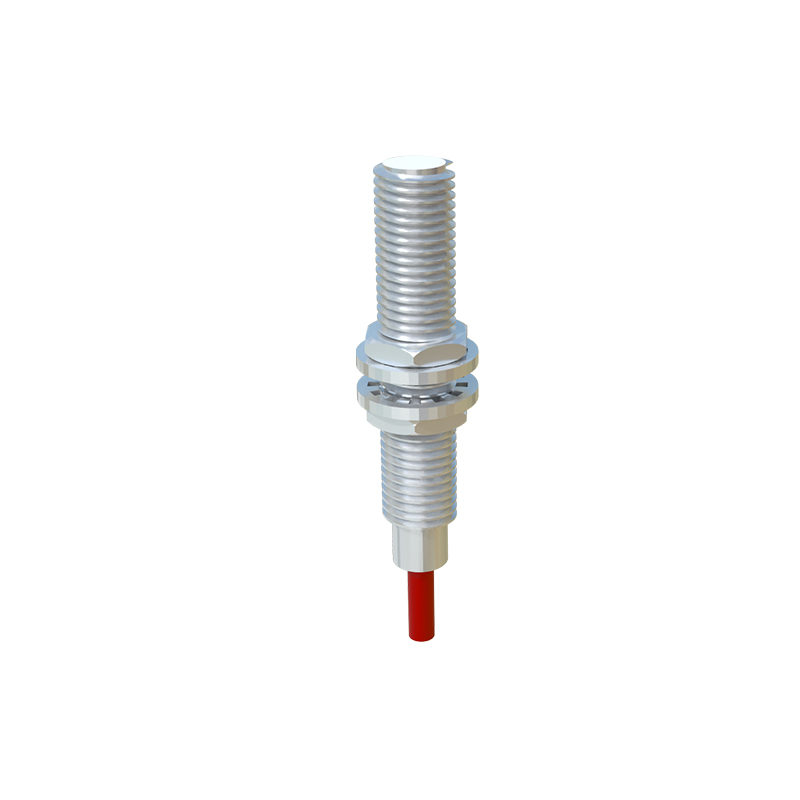
Looking ahead, the convergence of ultra-precise proximity sensing with other fields like augmented reality (AR) and the Internet of Things (IoT) promises even deeper integration into our lives. Imagine AR glasses that understand exactly where your hands are in space for perfect virtual object manipulation, or retail stores where shelves sense your interest in a product and display relevant information automatically.
However, this progress is not without its challenges. Engineers continually grapple with balancing high precision against power consumption, ensuring reliability across diverse environmental conditions, and managing the cost of these complex systems for mass-market adoption. Perhaps the most significant consideration is that of privacy and data security, as sensors capable of such detailed environmental mapping collect vast amounts of sensitive spatial data, necessitating robust ethical frameworks and secure data handling protocols.
In conclusion, the new generation of proximity sensors is transforming from simple binary switches into rich, contextual perception engines. They are becoming the subtle, intelligent eyes of our devices, enabling a future where our interactions with technology are more natural, efficient, and integrated into the fabric of our daily existence. This is not just a step forward in sensor technology; it is a leap towards a more intuitively connected world.