In the world of industrial automation, automotive systems, and consumer electronics, proximity sensors are the silent sentinels. They detect the presence or absence of objects without physical contact, enabling countless automated processes. While the sensing element—be it inductive, capacitive, or optical—rightly receives much attention, its performance and longevity are fundamentally dependent on a critical, often underrated component: the proximity sensor housing or enclosure.
The primary function of a proximity sensor housing is protection. These sensors frequently operate in harsh environments where they are exposed to dust, moisture, chemicals, vibration, and mechanical impact. A robust housing seals the sensitive internal electronics from these external threats. For instance, in a machining center, metal shavings and cutting fluids are omnipresent. An ingress protection (IP) rated housing, such as IP67, ensures that neither dust nor temporary immersion in water compromises the sensor's function. Similarly, in food and beverage processing, housings must withstand frequent washdowns with corrosive cleaning agents, necessitating materials like stainless steel (e.g., 316L) or high-grade plastics that resist chemical attack.
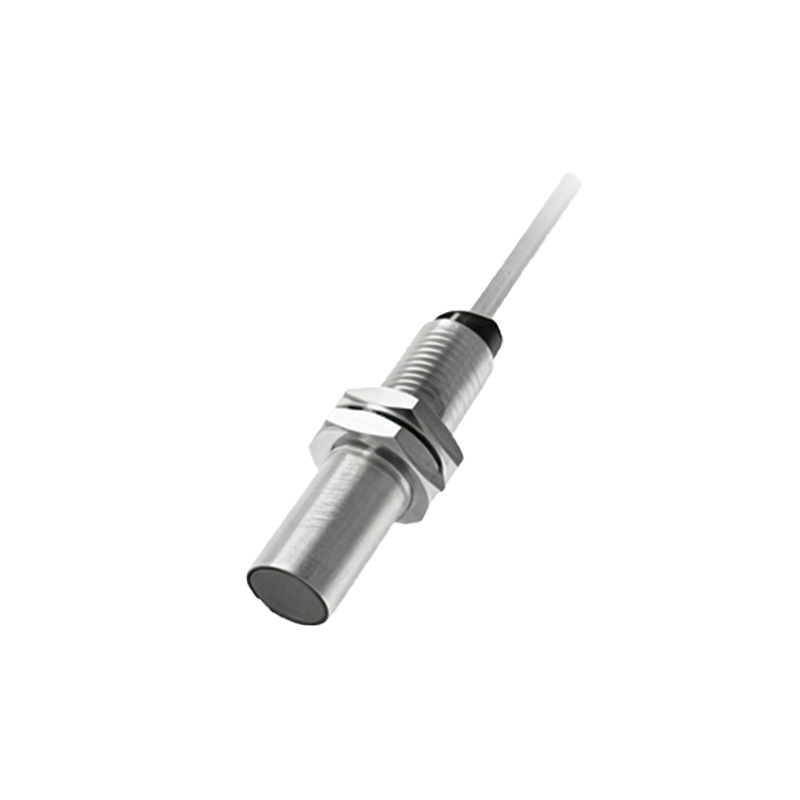
Material selection is a cornerstone of housing design. Each material offers a unique balance of properties. Plastics, such as PBT (polybutylene terephthalate), PPS (polyphenylene sulfide), or PVDF (polyvinylidene fluoride), are widely used for their excellent electrical insulation, corrosion resistance, and cost-effectiveness for high-volume production. They can be easily molded into complex shapes, allowing for integrated mounting features and cable strain reliefs. For applications requiring extreme durability, chemical resistance, or the ability to operate in high-temperature environments, metals are the go-to choice. Brass and nickel-plated brass are common for standard inductive sensors, offering good mechanical strength and shielding against electromagnetic interference. Stainless steel housings, particularly in grades 303 or 316, provide superior corrosion resistance and are mandatory in sterile, washdown, or offshore environments.
The design of the housing is equally crucial. It is not merely a box but an integral part of the sensor's performance. For inductive sensors, the housing shape and the material in the "sensing face" directly influence the switching distance and field characteristics. A housing designed with a flush-mounting capability allows the sensor to be embedded in metal, protecting it from physical damage while still detecting targets. The mechanical design must also ensure secure and easy installation, often featuring standard metric threads (e.g., M8, M12, M18, M30) or specific mounting brackets. Furthermore, the housing must facilitate proper cable outlet or connector integration, with effective sealing to maintain the IP rating at these critical junctions.
Beyond basic protection, advanced housing designs incorporate features for enhanced functionality. Some housings include LED indicator windows made from tinted or clear polycarbonate, allowing for visual status confirmation. Others are designed with specific shielding to minimize mutual interference when multiple sensors are mounted in close proximity. In high-vibration settings, such as on heavy machinery or vehicles, the housing's structural integrity and the security of its internal component mounting are vital to prevent failure from fatigue.
The choice of housing also impacts maintenance and total cost of ownership. A well-chosen, durable housing minimizes downtime by preventing sensor failure. While a plastic housing might have a lower initial cost, a stainless steel housing in a corrosive chemical plant may offer a far longer service life, proving more economical over time. Compatibility with industry-standard form factors and mounting schemes is another key consideration, ensuring easy replacement and integration into existing systems.
In essence, the proximity sensor housing is a masterpiece of practical engineering. It translates the delicate capabilities of electronic sensing into rugged, real-world reliability. Selecting the appropriate housing—considering the material's chemical compatibility, mechanical strength, thermal properties, and the required ingress protection level—is as critical as selecting the sensor type itself. It is the decisive factor that determines whether a sensor will perform accurately for a few months or operate flawlessly for years under demanding conditions, ultimately safeguarding the efficiency and safety of the entire automated system.