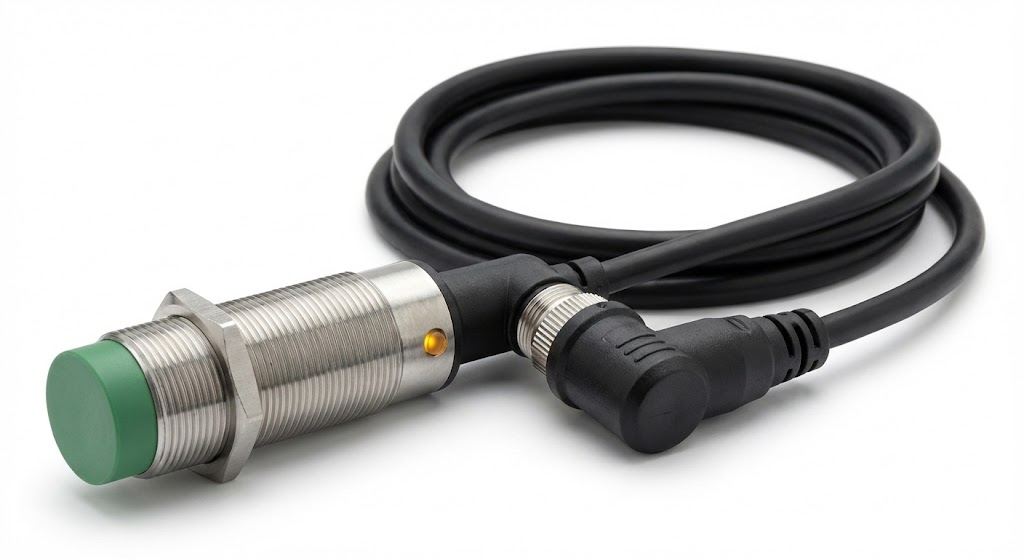
In the intricate world of industrial automation and precision engineering, the role of proximity spacer sensors as finished products is paramount. These sophisticated devices represent the culmination of advanced design, rigorous manufacturing, and meticulous calibration, ready to deploy in systems where accuracy and reliability are non-negotiable. Unlike individual components or development kits, a finished proximity spacer sensor is a fully integrated, tested, and certified unit, engineered to deliver consistent performance from the moment it is installed.
A proximity spacer sensor, at its core, is a non-contact electronic device designed to detect the presence or absence of an object within a specific, often very narrow, distance range—the "spacer" zone. It functions by emitting an electromagnetic field or a beam of radiation, typically infrared light, and then monitoring for changes in the return signal. When a target object enters this predefined proximity zone, it alters the field or reflects the beam, triggering the sensor's output switch. This output is a clean, digital signal that can instantly interface with programmable logic controllers (PLCs), robotics, or other control systems to initiate actions like stopping a conveyor, counting parts, or verifying positioning.
The transition from a conceptual sensor design to a finished product involves several critical stages. It begins with the selection of core sensing technology. Inductive sensors are ideal for detecting metallic objects, while capacitive variants can sense non-metallic materials like plastics, wood, or liquids. Photoelectric sensors, using light beams, offer longer ranges and are versatile for various surface types. The finished product encapsulates this technology within a housing designed for its intended environment. This housing is rated with Ingress Protection (IP) codes—such as IP67 or IP69K—to withstand dust, water jets, and harsh cleaning processes common in food & beverage or pharmaceutical manufacturing. The materials range from rugged stainless steel for heavy machinery to chemically resistant polymers for corrosive environments.
The true value of a finished product lies in its calibrated precision and built-in intelligence. During manufacturing, each unit is adjusted to ensure its sensing distance, hysteresis, and response time meet exact specifications. Features like temperature compensation circuits ensure stable operation despite ambient fluctuations. Many modern finished sensors also incorporate IO-Link communication, transforming them from simple switches into smart devices that can report diagnostic data, such as signal strength, operating temperature, and potential contamination levels, enabling predictive maintenance.
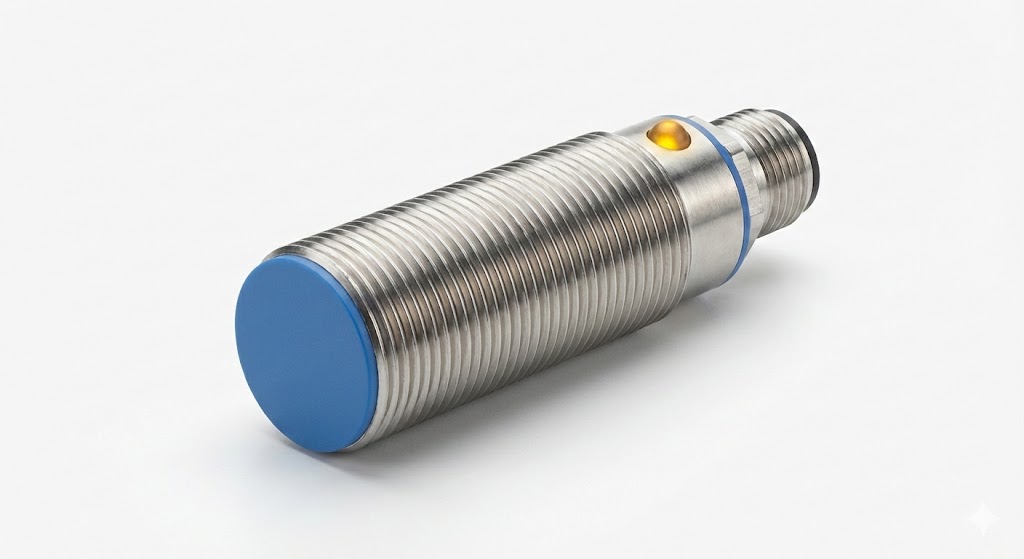
The applications for these ready-to-use sensors are vast and critical. In automated assembly lines, they act as precise gap or presence detectors, ensuring components are correctly spaced before welding or fastening—a key function in automotive manufacturing. In packaging machinery, they verify that lids are properly seated on containers at high speeds. Within semiconductor fabrication cleanrooms, ultra-precise proximity sensors monitor the position of wafers with micron-level accuracy. They are also indispensable in safety systems, acting as non-mechanical interlocks to ensure guards are closed before a machine can operate.
Choosing the right finished proximity spacer sensor requires careful consideration of several factors beyond just sensing range. The target material, size, and required response speed are fundamental. Environmental conditions—temperature extremes, exposure to oils/coolants, or potential for physical impact—dictate the necessary housing and protection rating. The electrical output type (NPN/PNP, NO/NC) must be compatible with the host control system. Finally, mounting constraints and connector types are practical considerations for seamless integration.
As Industry 4.0 advances, the proximity spacer sensor finished product is evolving. The integration of advanced diagnostics and digital communication protocols is making these devices more integral to smart factory networks. They are no longer just passive detection points but active contributors to data-driven efficiency, quality control, and operational intelligence. Their reliability, precision, and ready-to-install nature make them fundamental building blocks in creating more responsive, efficient, and safe automated systems across every sector of modern industry.