Outdoor laser distance sensors have become indispensable tools across numerous industrial sectors, offering precise, non-contact measurement in challenging environments. Unlike their indoor counterparts, sensors deployed outdoors must contend with a dynamic and often harsh set of conditions that directly impact performance, reliability, and longevity. Understanding these factors is critical for selecting the right sensor and ensuring accurate data acquisition for applications ranging from construction and mining to agriculture and logistics.
The operating principle of a laser distance sensor, based on the time-of-flight (ToF) or phase-shift measurement of a laser beam, remains consistent. However, outdoor deployment introduces significant variables. Ambient light is the primary adversary. Direct sunlight, which can exceed 120,000 lux, can easily saturate a sensor's receiver, rendering it blind. To combat this, high-quality outdoor sensors employ several strategies. These include optical filters that narrow the acceptance bandwidth to the specific wavelength of the laser (commonly 905nm or 1550nm for eye-safe considerations), sophisticated digital signal processing algorithms to distinguish the laser pulse from background noise, and increasing the laser's output power within safe limits. The use of a narrow, coherent laser beam itself provides an inherent advantage over diffuse light sources.
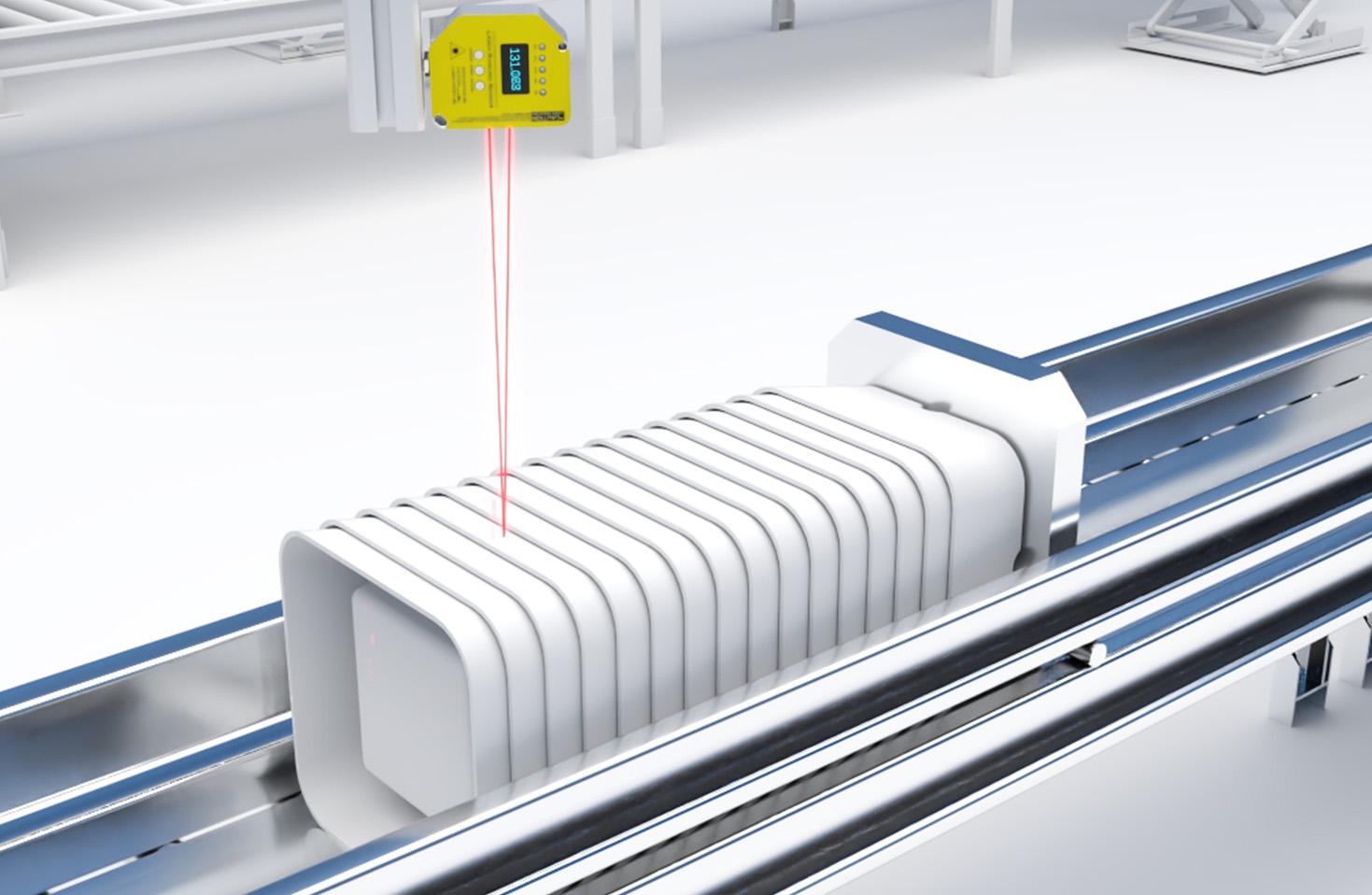
Environmental protection is non-negotiable. An Ingress Protection (IP) rating of at least IP65 (dust-tight and protected against water jets) is a baseline for most outdoor installations, with IP67 or IP69K required for applications exposed to heavy rain, high-pressure washing, or submersion. The housing material, typically robust stainless steel or anodized aluminum, must resist corrosion from salt spray, chemicals, or extreme temperatures. Operating temperature ranges are crucial; a sensor must function reliably from sub-zero winter conditions to the intense heat of a summer day, with industrial-grade models typically spanning -40°C to +70°C or beyond. Internal heating elements may be necessary to prevent condensation and icing on the lens, which would completely block the laser signal.
Beyond the sensor itself, installation and alignment present unique challenges. Vibration from nearby machinery or wind can cause misalignment, leading to measurement drift. Selecting sensors with a high degree of vibration resistance and utilizing stable, rigid mounting brackets is essential. The measurement target also varies greatly outdoors. A sensor might need to measure the distance to a highly reflective metal surface, a light-absorbing asphalt road, or a porous and uneven pile of raw materials. Modern sensors with advanced background suppression and the ability to handle multiple echo signals (like the first, strongest, or last echo) can reliably pick the correct return signal from a target, even if it is behind light obscuration like fog, dust, or light rain.
Application examples highlight these requirements. In stockyard management, laser sensors monitor the volume of bulk material piles like coal or gravel, requiring long-range capability (often 100m to 300m), high dust immunity, and software for volume calculation. In autonomous guided vehicles (AGVs) operating in shipping yards, sensors provide collision avoidance and navigation, demanding fast response times, wide field-of-view options, and immunity to changing light conditions. In forestry and agriculture, sensors measure crop height or terrain profiles, needing robustness against moisture and the ability to measure off diffuse organic surfaces.
Finally, system integration and maintenance are key. Many outdoor sensors now feature industrial communication protocols like IO-Link, which simplifies wiring, enables remote parameter configuration, and provides valuable diagnostic data (e.g., lens contamination warnings, internal temperature). Regular maintenance, primarily keeping the lens clean from dirt, snow, or insect buildup, is a simple but vital task to ensure continuous operation.
In conclusion, selecting an outdoor laser distance sensor requires a holistic view that goes beyond basic measuring range and accuracy specs. Engineers must carefully evaluate the specific environmental stressors, target properties, and required interfaces. By prioritizing sensors designed with robust environmental sealing, advanced optical filtering, and intelligent signal evaluation, industries can leverage the power of precise laser measurement to enhance automation, safety, and efficiency in the unforgiving outdoor world.