In the intricate world of industrial automation and control systems, proximity sensors stand as silent sentinels, enabling countless processes with their non-contact detection capabilities. The selection of a proximity sensor brand is a critical decision that impacts system reliability, maintenance cycles, and overall operational efficiency. This guide delves into the professional landscape of proximity sensor manufacturers, offering insights into key players and the technological nuances that define their offerings.
The market is predominantly led by a cadre of established global manufacturers, each with a distinct heritage and technological focus. Brands like Sick, Pepperl+Fuchs, Omron, Balluff, and ifm electronic are often the first considered for demanding industrial environments. Sick AG, with its German engineering pedigree, is renowned for high-precision sensors, particularly in logistics and factory automation. Their photoelectric and inductive sensors are benchmarks for robustness and advanced diagnostic features. Pepperl+Fuchs, another German powerhouse, excels in intrinsic safety and explosion-proof certifications, making them a de facto standard in hazardous areas like chemical and pharmaceutical plants. Their extensive portfolio covers inductive, capacitive, and ultrasonic technologies.
From Japan, Omron provides a vast array of sensors known for exceptional cost-performance ratio and miniaturization. Their E2E series inductive proximity sensors are ubiquitous in general machinery and packaging applications. Balluff, also German, emphasizes innovation in connectivity and Industry 4.0 readiness, offering sensors with IO-Link, RFID integration, and sophisticated multi-task capabilities. ifm electronic is celebrated for its user-friendly design, comprehensive condition monitoring features, and a strong focus on predictive maintenance, simplifying integration for plant engineers.
Beyond these titans, several other brands command significant respect in niche or broad markets. Rockwell Automation (Allen-Bradley) sensors are deeply integrated into their control ecosystem, preferred in North American heavy industries. Siemens offers sensors that seamlessly communicate within its Totally Integrated Automation (TIA) portfolio. Turck is a leader in ruggedized sensor design and advanced bus connectivity solutions. Keyence, while often associated with high-end measurement and vision, produces extremely high-speed and precision proximity sensors for specialized automation tasks. Schneider Electric (Telemecanique Sensors) provides reliable and economical options for a wide spectrum of applications.
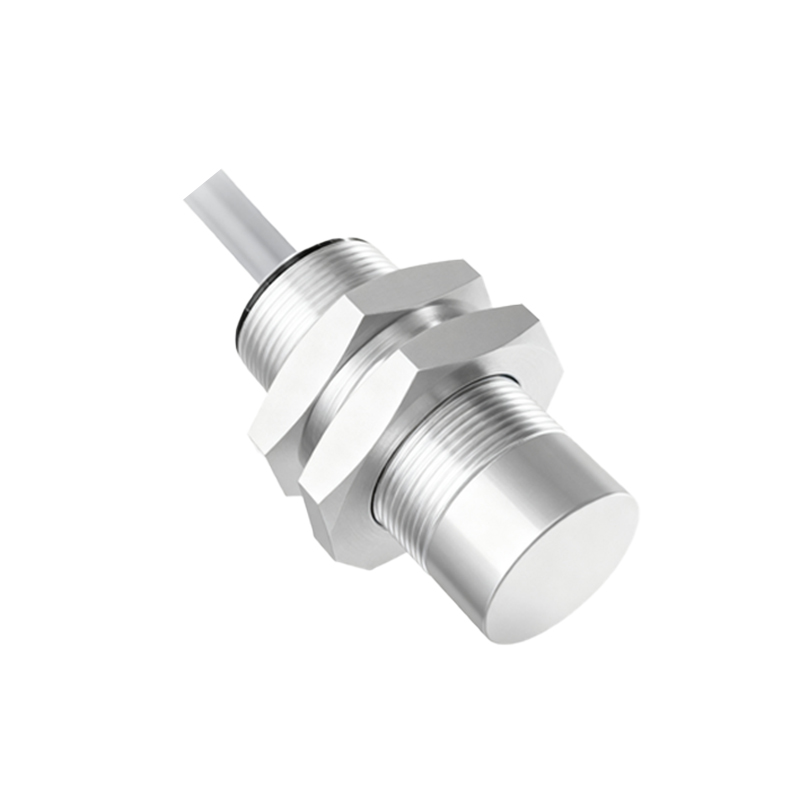
Choosing between these brands is not merely a matter of preference but a technical evaluation. Key parameters include sensing distance, switching frequency, housing material (e.g., stainless steel for washdown areas), output type (PNP/NPN, analog, IO-Link), and environmental ratings (IP67, IP69K). A brand like ifm or Balluff might be selected for a smart factory project requiring extensive data from the sensor point, whereas a Pepperl+Fuchs sensor would be non-negotiable for a Zone 1 hazardous location. For high-volume OEM applications where cost and consistent performance are paramount, Omron or a regional equivalent might be the optimal choice.
Furthermore, the support ecosystem is crucial. The availability of detailed technical documentation, configuration software, global technical support, and local distributor expertise varies between brands. Established brands typically offer superior support networks, which can drastically reduce downtime during troubleshooting and replacement.
In conclusion, there is no single "best" proximity sensor brand. The optimal selection hinges on a clear understanding of the application requirements: the target material, required sensing range, environmental conditions, connectivity needs, and lifecycle cost considerations. Engineers must weigh the proven reliability and advanced features of brands like Sick and Pepperl+Fuchs against the system integration benefits of Rockwell or Siemens, and the innovative smart sensor capabilities of ifm and Balluff. A thorough evaluation of these factors, aligned with the specific operational demands, will lead to the most reliable and efficient sensing solution, ensuring the seamless and uninterrupted flow of automated processes.