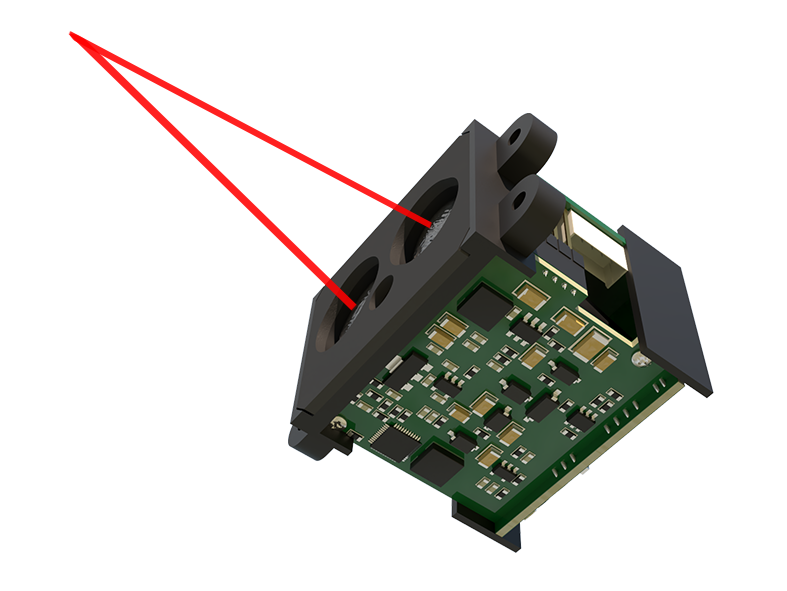
In the realm of industrial automation and precision measurement, laser sensors have emerged as indispensable tools, offering unparalleled accuracy, speed, and reliability. These devices operate on the fundamental principle of emitting a focused beam of coherent light—laser light—and analyzing the reflected signal to determine various parameters such as distance, displacement, presence, or profile of a target object. Unlike conventional sensors, laser sensors are largely unaffected by ambient light, surface color, or material transparency in many configurations, making them robust solutions for challenging environments. The core technology hinges on techniques like time-of-flight (ToF), triangulation, and interferometry, each suited to specific measurement ranges and accuracy requirements.
The diversity of laser sensor types caters to a wide spectrum of industrial needs. Laser distance sensors, for instance, are pivotal in logistics for palletizing and warehouse management, ensuring precise positioning. Laser displacement sensors, often based on triangulation, provide micron-level accuracy for quality control on production lines, such as verifying component thickness or detecting warpage. Then there are laser profile sensors, which capture cross-sectional contours of objects for 3D inspection, essential in automotive or electronics manufacturing. Furthermore, laser photoelectric sensors serve as highly responsive presence detectors for object counting or jam detection in high-speed packaging machinery. The choice between a diffuse-reflective, retro-reflective, or through-beam setup depends on the required sensing range and environmental conditions.
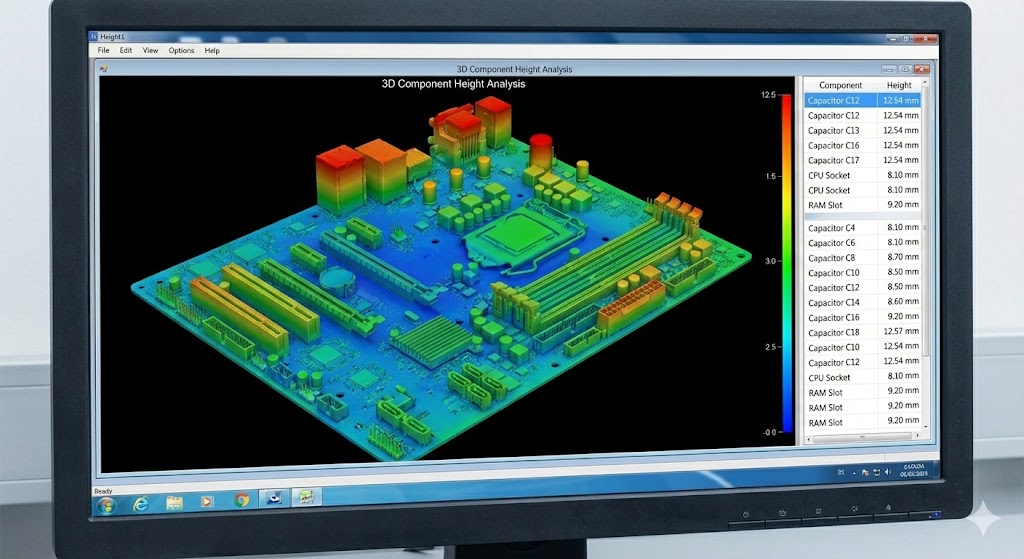
The applications of laser sensors span virtually every sector of modern industry. In automotive manufacturing, they are used for robot guidance, weld seam tracking, and gap measurement between body panels. In the electronics industry, they facilitate the precise placement of microchips on circuit boards and inspect solder paste quality. The food and beverage sector employs them for level detection in containers and checking fill heights without physical contact, adhering to strict hygiene standards. Even in agriculture, laser sensors aid in automated harvesting and grading of produce. Their non-contact nature is a critical advantage, preventing damage to both the sensor and delicate products, while enabling measurements on hot, moving, or otherwise inaccessible targets.
When integrating laser sensors, several technical considerations are paramount. Key specifications include measuring range, resolution, repeatability, and response time. The laser class (typically Class 1 or 2 for industrial safety) dictates the necessary precautions. Environmental factors like dust, steam, or vibrations must be accounted for, potentially requiring protective housings or specialized filters. Calibration and alignment are crucial for maintaining accuracy over time. Modern laser sensors increasingly feature smart capabilities, such as IO-Link communication, which allows for parameter setting, data output, and diagnostic monitoring directly from a central controller, paving the way for predictive maintenance and Industry 4.0 integration.
Looking ahead, the evolution of laser sensor technology continues. Advancements in laser diode efficiency, CMOS detector arrays, and sophisticated algorithms are driving down costs while enhancing performance. Emerging trends include the miniaturization of sensors for integration into compact devices and the development of multi-functional sensors that combine distance measurement with temperature sensing or spectral analysis. As factories become smarter and more connected, the role of laser sensors as critical data acquisition points will only expand, solidifying their position as a cornerstone of precision automation and quality assurance. Their ability to deliver reliable, high-resolution data in real-time makes them not just a tool for measurement, but a fundamental enabler of efficiency, safety, and innovation across the global industrial landscape.