In the competitive landscape of industrial automation, selecting the right proximity sensor switch is a critical decision that balances performance, reliability, and cost. For engineers and procurement specialists, the question often arises: which brands provide the most affordable solutions without compromising on quality? This article delves into the market to identify cost-effective proximity sensor options, examining key players and factors that influence pricing.
Proximity sensor switches, essential for detecting the presence or absence of objects without physical contact, come in various types such as inductive, capacitive, and magnetic. Their applications span across manufacturing, packaging, automotive, and robotics industries. When evaluating affordability, it's not just about the initial purchase price; total cost of ownership (TCO) must be considered, including durability, maintenance needs, and compatibility with existing systems.
Several brands stand out for offering budget-friendly proximity sensors. Omron, a global leader in automation, provides a range of economical models like the E2E series, known for robust performance in harsh environments. While not the cheapest upfront, their long lifespan reduces replacement costs. Similarly, Schneider Electric offers the Telemecanique Sensors XS series, which combines reliability with competitive pricing, making it a popular choice for medium-scale operations.
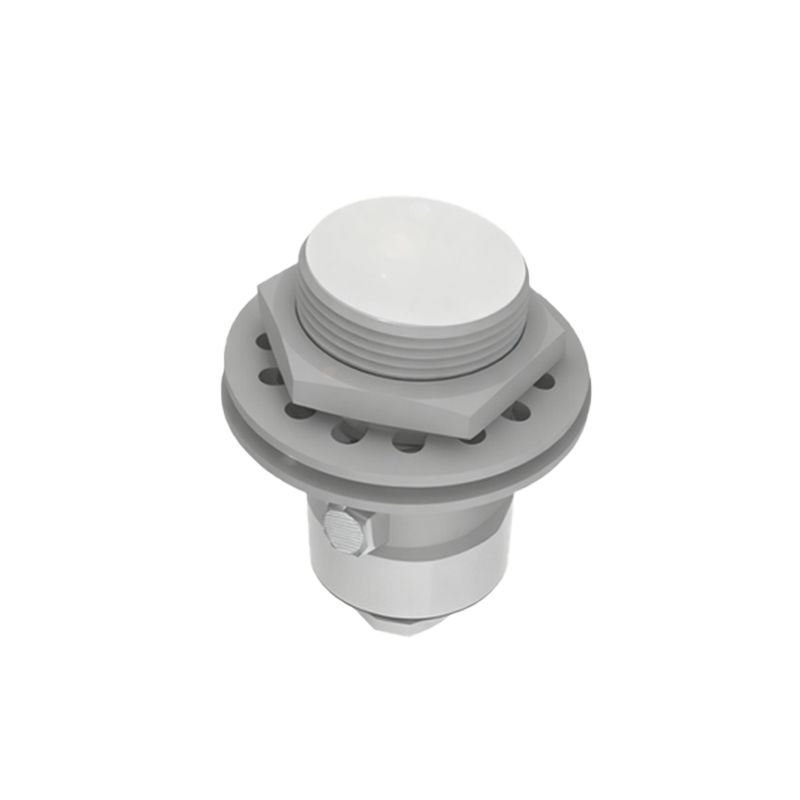
For those seeking even lower prices, Asian manufacturers like Sick and Panasonic present viable alternatives. Sick's proximity sensors, such as the IM series, are praised for their precision and cost-effectiveness, especially in high-volume purchases. Panasonic's GX series sensors are another affordable option, featuring compact designs and easy integration, suitable for tight budgets without sacrificing essential functions.
However, it's crucial to note that "cheap" can sometimes lead to higher long-term expenses. Lesser-known brands or generic sensors may have lower upfront costs but could fail prematurely, causing downtime and increased maintenance. Therefore, evaluating specifications like sensing distance, output type (e.g., NPN or PNP), and environmental ratings (IP67 for dust and water resistance) is vital.
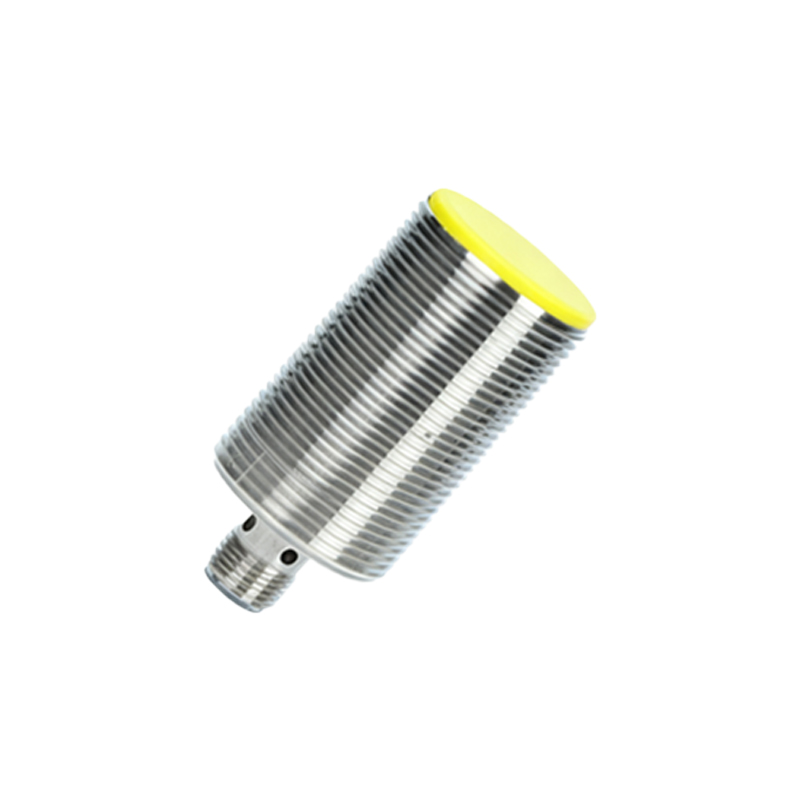
To maximize value, consider bulk purchasing from distributors or online platforms like Amazon Industrial or RS Components, which often offer discounts. Additionally, look for brands with strong warranty policies and technical support, as this can offset potential hidden costs. In summary, while brands like Omron, Schneider Electric, Sick, and Panasonic provide affordable proximity sensor switches, the best value comes from aligning product features with specific application needs and calculating TCO. By doing so, engineers can make informed decisions that optimize both performance and budget in their automation projects.