In the intricate world of industrial automation and smart electronics, proximity sensor modules stand as fundamental components, enabling machines to perceive and interact with their environment without physical contact. These modules are not merely simple switches; they are sophisticated systems that integrate sensing elements, signal conditioning circuits, and often digital interfaces to provide reliable, non-contact detection of objects. Their primary function is to detect the presence or absence of an object within a specified sensing range, triggering a corresponding electrical signal. This capability is pivotal across countless applications, from assembly line robotics and automotive manufacturing to consumer devices like smartphones and tablets.
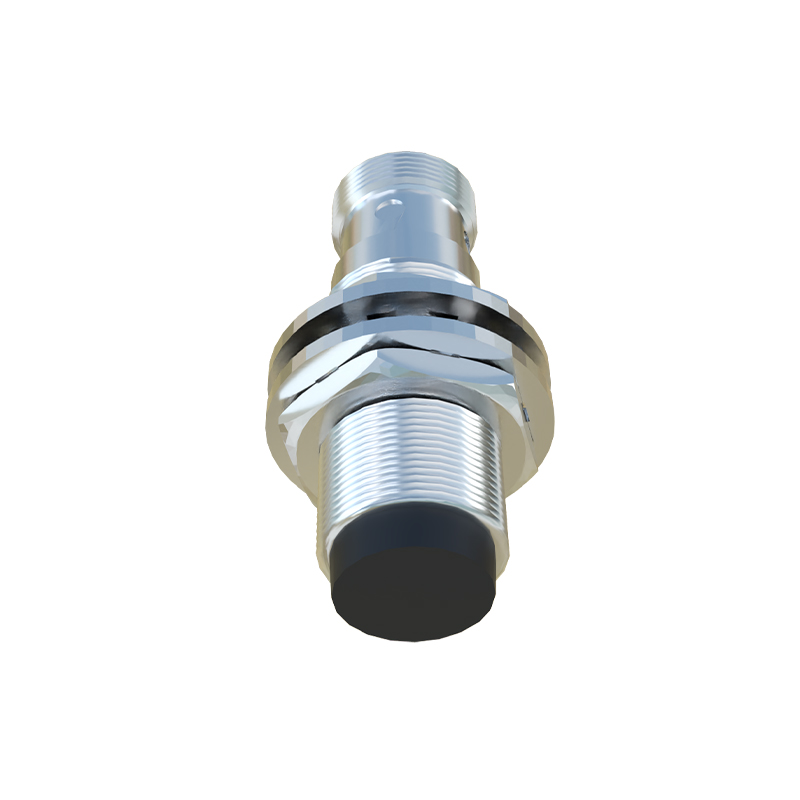
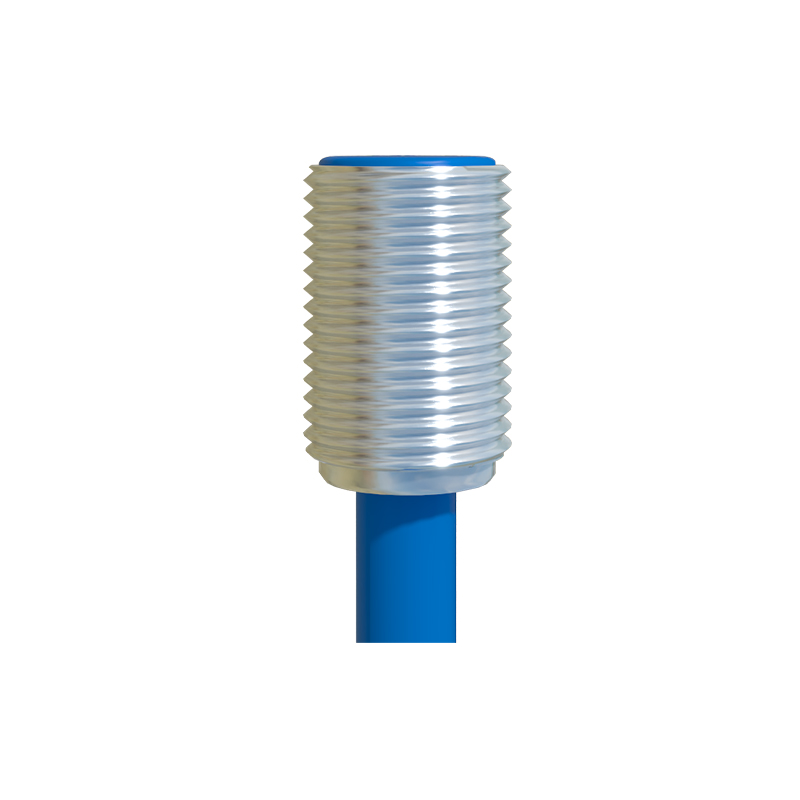
The operational principle of a proximity sensor module varies based on its underlying technology. Inductive proximity sensors, for instance, generate an electromagnetic field to detect metallic objects. When a metal target enters this field, it induces eddy currents, causing a change in the sensor's oscillation amplitude, which is then converted into a switching signal. These are indispensable in metalworking, machine tools, and automotive industries where detecting ferrous and non-ferrous metals is crucial. Conversely, capacitive proximity sensors can detect both metallic and non-metallic materials, including liquids, plastics, and wood, by sensing changes in capacitance when an object enters its electrostatic field. This makes them ideal for level detection, material handling, and packaging applications.
Another prevalent type is the photoelectric proximity sensor module, which utilizes a light emitter (usually LED or laser) and a receiver. It detects objects by interpreting changes in the received light beam—whether through beam-break, reflective, or diffuse sensing modes. These sensors offer longer sensing ranges and are excellent for detecting small, transparent, or differently colored objects, commonly found in pharmaceutical packaging, printing, and conveyor systems. Ultrasonic proximity sensors, which measure the time-of-flight of sound waves, provide accurate distance measurement and are effective in harsh environments with dust, moisture, or varying lighting conditions, such as in agriculture or wastewater management.
The integration of these sensors into a "module" is key. A proximity sensor module typically includes the sensing probe, an oscillator, amplifier, comparator, and output circuit (like NPN/PNN transistors or analog outputs) housed in a robust enclosure. This modular design simplifies installation, enhances durability against environmental factors like vibration, temperature fluctuations, and contaminants, and ensures consistent performance. Many modern modules also feature programmability, allowing users to adjust sensitivity, hysteresis, and output delay via push-buttons or digital communication protocols like IO-Link, facilitating seamless integration into Industrial Internet of Things (IIoT) and Industry 4.0 frameworks.
The practical applications are vast. In automated manufacturing, proximity sensors ensure precise positioning of components, monitor production counts, and enable safety interlocks on machinery guards. In automotive systems, they are used for parking assistance, blind-spot detection, and automated door controls. Consumer electronics leverage miniature infrared (IR) proximity sensors to disable touchscreens during calls, conserving power and preventing accidental inputs. Furthermore, in logistics and warehousing, these sensors manage inventory by detecting items on shelves and guiding automated guided vehicles (AGVs).
Selecting the appropriate proximity sensor module requires careful consideration of factors such as sensing distance, target material, environmental conditions, response time, and output type. Engineers must also account for electrical specifications like supply voltage, current consumption, and protection ratings (e.g., IP67 for dust and water resistance). Regular maintenance, though minimal, involves checking for alignment, cleanliness of sensing faces, and verifying electrical connections to prevent false triggers or failures.
In conclusion, proximity sensor modules are the unsung heroes of automation, providing the essential "sense of touch" to machines. Their ability to deliver accurate, non-contact detection enhances efficiency, safety, and reliability in diverse sectors. As technology advances, these modules continue to evolve, becoming more intelligent, compact, and interconnected, driving forward the capabilities of modern automated systems and smart infrastructure. Understanding their role is crucial for any professional involved in designing, implementing, or maintaining automated processes.