Proximity sensors have become indispensable in the realm of industrial automation, serving as the silent sentinels that enable precise, contactless detection of objects. These devices, which operate without physical contact with the target, are fundamental to enhancing efficiency, safety, and reliability across numerous applications. Their ability to detect the presence or absence of an object within a specified range makes them critical in environments where mechanical contact is impractical or hazardous.
The working principle of proximity sensors varies based on their type, with inductive, capacitive, ultrasonic, and photoelectric sensors being the most common. Inductive proximity sensors, for instance, generate an electromagnetic field to detect metallic objects, making them ideal for metal detection in manufacturing lines. Capacitive sensors, on the other hand, can detect both metallic and non-metallic materials by measuring changes in capacitance, which is useful in liquid level sensing or plastic part detection. Ultrasonic sensors use sound waves to measure distance and are effective in harsh environments where dust, moisture, or temperature fluctuations might interfere with other sensor types. Photoelectric sensors rely on light beams to detect objects and are valued for their long-range capabilities and high speed, often employed in packaging and material handling systems.
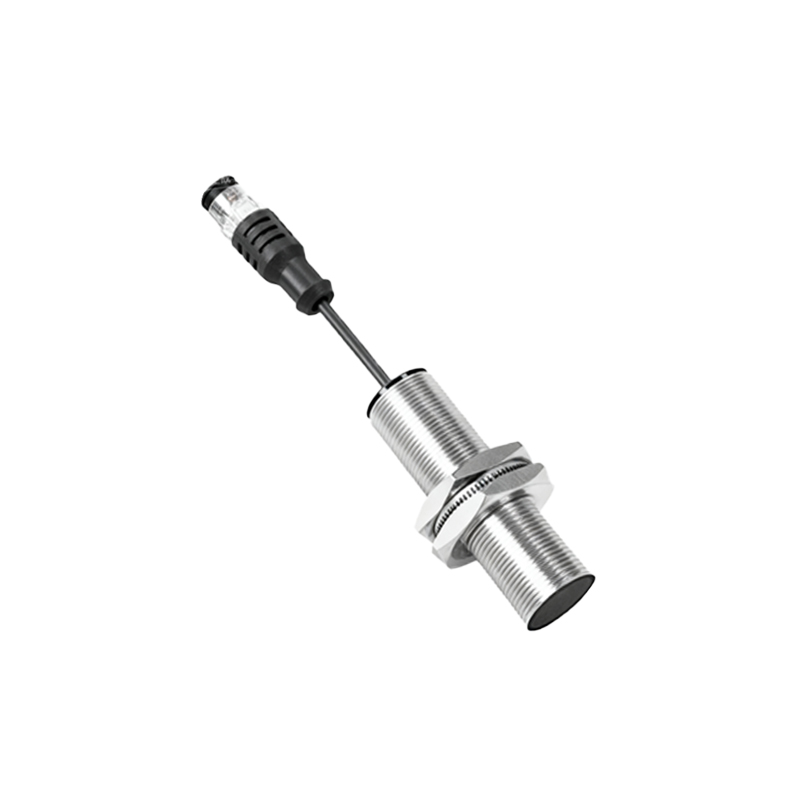
In industrial settings, proximity sensors are deployed for a multitude of purposes. They are crucial in position sensing, ensuring that components are correctly aligned in assembly lines, which prevents jams and reduces downtime. For example, in automotive manufacturing, these sensors verify the placement of parts like engine blocks or door panels, contributing to quality control. Additionally, they play a vital role in safety systems by monitoring machine guards or emergency stop zones, instantly halting operations if an obstruction is detected, thereby protecting workers from accidents. In material handling, proximity sensors facilitate automated sorting and counting of items on conveyor belts, optimizing logistics and inventory management. They also aid in speed monitoring of rotating machinery, such as motors or turbines, by detecting gear teeth or blades, which helps in predictive maintenance and prevents costly breakdowns.
The advantages of using proximity sensors are manifold. Their non-contact nature minimizes wear and tear, leading to longer service life and reduced maintenance costs. They offer high repeatability and accuracy, ensuring consistent performance even in demanding conditions. Moreover, their fast response times enable real-time control in high-speed processes, from robotics to food processing. With advancements in technology, modern proximity sensors are becoming more compact, energy-efficient, and integrated with smart features like IoT connectivity, allowing for remote monitoring and data analytics. This evolution supports the trend towards Industry 4.0, where sensors contribute to interconnected, automated systems that boost productivity.
Despite their benefits, selecting the right proximity sensor requires careful consideration of factors such as sensing distance, environmental conditions, target material, and output requirements. For instance, in dusty areas, sealed ultrasonic sensors may be preferred, while in applications involving delicate materials, low-force capacitive sensors could be the choice. Regular calibration and shielding from electromagnetic interference are also essential to maintain accuracy.
In conclusion, proximity sensors are pivotal in driving industrial automation forward. Their versatility and reliability make them key enablers of modern manufacturing, logistics, and safety protocols. As industries continue to embrace automation and digitalization, the demand for advanced proximity sensors is set to grow, underscoring their role as foundational elements in smart, efficient operations. By understanding their types and applications, engineers can leverage these devices to create more responsive and resilient systems, paving the way for innovation in the electrical and automation sectors.