In industrial automation and machinery, proximity sensors play a critical role in detecting the presence or absence of metallic objects without physical contact. Among various types, ring-type inductive proximity sensors stand out for their unique design and application-specific advantages. This article delves into the working principles, key features, typical applications, and selection considerations for ring sensors, providing a comprehensive guide for engineers and technicians.
Ring-type inductive proximity sensors, often referred to as ring sensors or annular sensors, consist of a coil wound into a circular or rectangular frame that generates an electromagnetic field. When a metallic object passes through the aperture of the ring, it disturbs the field, inducing eddy currents in the object. This change in the electromagnetic field is detected by the sensor's electronics, triggering an output signal. The detection is typically independent of the object's speed, making these sensors ideal for high-speed counting or sorting operations.
One of the primary advantages of ring sensors is their non-contact nature, which eliminates wear and tear, ensuring long-term reliability and minimal maintenance. They are highly sensitive to ferrous metals like iron and steel, but can also detect non-ferrous metals such as aluminum or copper with adjusted sensitivity settings. The sensing range is generally limited to the aperture size, with larger rings accommodating bigger objects. Common aperture diameters range from a few millimeters to over 100 millimeters, catering to diverse industrial needs.
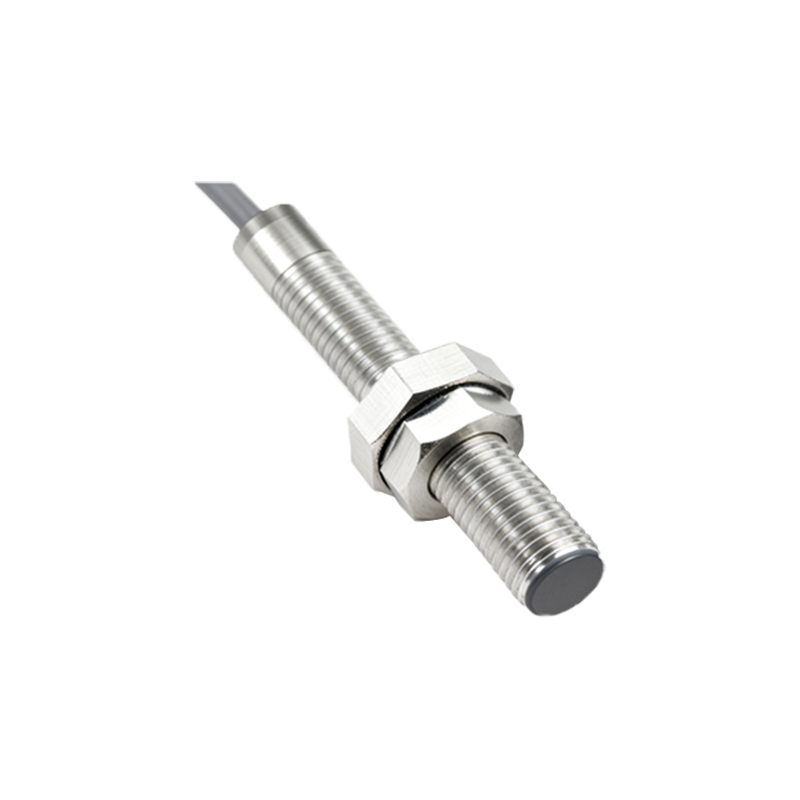
Key applications include part detection in assembly lines, sorting systems in packaging, and quality control in manufacturing. For instance, in fastener production, ring sensors verify the presence of nuts or bolts on conveyor belts. In automotive industries, they monitor the passage of components like pistons or valves. Additionally, these sensors are used in security systems to detect metallic items or in recycling plants to separate metals from waste. Their robust construction, often rated IP67 or higher, makes them suitable for harsh environments with dust, moisture, or vibrations.
When selecting a ring sensor, engineers must consider several factors. The material of the target object is crucial, as it affects sensitivity and detection distance. For ferrous metals, standard sensors work well, while for non-ferrous metals, specialized models with higher frequency oscillations may be required. The aperture size should match the object's dimensions to avoid false triggers or missed detections. Output types, such as NPN, PNP, or analog signals, must align with the control system's requirements. Environmental conditions, like temperature extremes or exposure to chemicals, also influence the choice of housing material and protection rating.
Installation and alignment are critical for optimal performance. The sensor should be mounted securely to prevent movement, and the target object must pass centrally through the aperture to ensure consistent detection. Regular calibration and testing are recommended to maintain accuracy, especially in high-speed applications where even minor deviations can lead to errors. Modern ring sensors often feature LED indicators for status monitoring and adjustable sensitivity pots for fine-tuning.
In summary, ring-type inductive proximity sensors offer a reliable and efficient solution for metal detection in various industrial settings. Their ability to operate without contact, coupled with high-speed response and durability, makes them indispensable in automation. By understanding their working principles and application nuances, engineers can leverage these sensors to enhance productivity and ensure quality in their systems. As technology advances, innovations like integrated IoT connectivity or enhanced materials may further expand their capabilities, driving smarter and more responsive industrial processes.