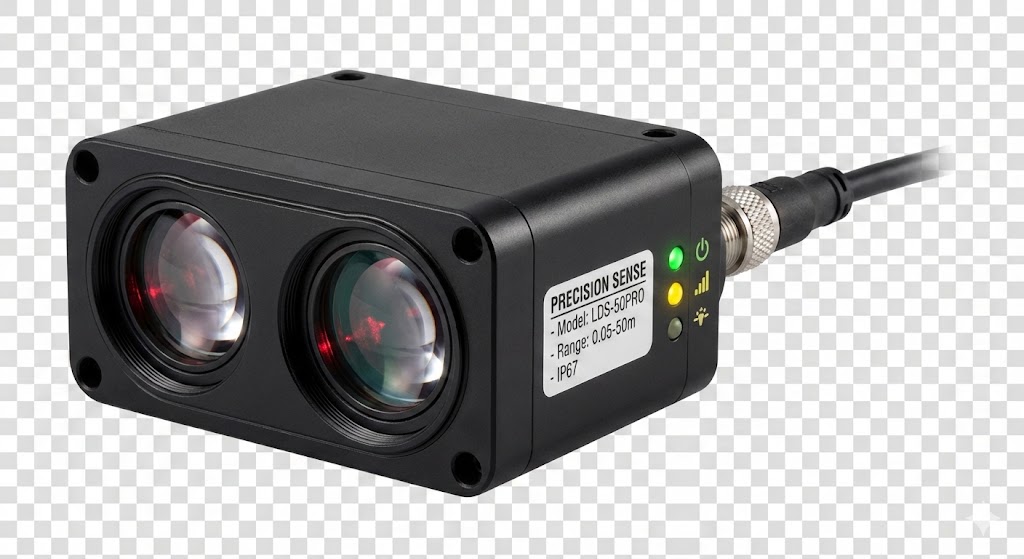
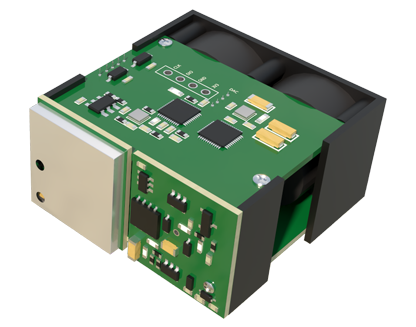
In the realm of industrial automation, laser sensors are indispensable for precision measurement, detection, and control. However, their installation is often approached with a singular focus on functionality, neglecting the crucial aspect of aesthetics. A well-installed laser sensor not only performs reliably but also contributes to a clean, organized, and professional-looking workspace. This synergy between form and function enhances overall operational efficiency and safety. The key to achieving this lies in meticulous planning and execution from the initial design phase through to final commissioning.
The foundation of an aesthetically pleasing installation is comprehensive pre-installation planning. Before any mounting begins, conduct a thorough site survey. Assess the sensor's operational environment, including ambient light conditions, potential sources of interference (like dust, steam, or vibration), and the physical pathways for cables. Create a detailed layout diagram that integrates the sensor locations with other machinery, conduits, and structural elements. This diagram should prioritize logical cable routing, minimizing exposed wiring and ensuring cables run parallel to existing machine frames or conduit runs for a cohesive look. Choosing the right sensor model and accessories is equally vital. Opt for sensors with enclosures that match the color scheme and material finish of your machinery (common industrial colors include RAL 7035 for light grey or RAL 9005 for jet black). Consider sleek, low-profile mounting brackets that appear integrated rather than added as an afterthought.
The physical mounting process demands precision. Always use the manufacturer-specified mounting hardware. Securely fasten the sensor to a stable, vibration-free surface using appropriate brackets. Ensure the sensor is perfectly aligned to its target; misalignment not only causes functional issues but also often results in awkward, protruding adjustments that look unprofessional. The sensor body should be positioned so that its face is clean and unobstructed, with the mounting hardware neatly tightened. Avoid over-tightening, which can damage the housing and mar its appearance.
Cable management is arguably the most significant factor in installation aesthetics. Exposed, dangling cables are the primary culprit for a cluttered and haphazard appearance. Implement a disciplined cable management strategy from the outset. Use cable carriers, conduits, or wire ducts that are sized appropriately for the number and gauge of wires. Route cables along designated paths, securing them at regular intervals with adhesive-backed cable clips, stainless steel cable ties, or P-clamps. For a premium finish, use braided sleeving or spiral wrap to bundle multiple cables together into a single, neat loom. Ensure all connections are secure within appropriate junction boxes or connectors, and leave adequate service loops for future maintenance without creating unsightly slack.
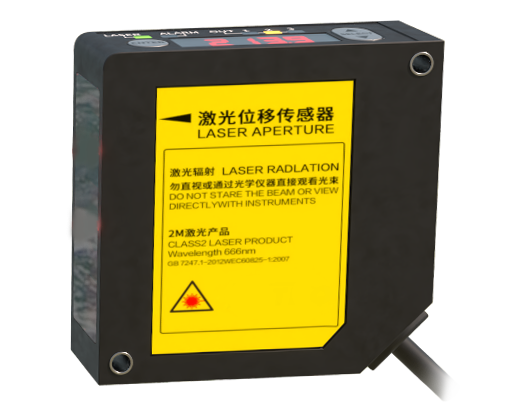
Integration with the broader control system is the next step. The sensor should communicate seamlessly with PLCs, HMIs, or data acquisition systems. Program the sensor parameters carefully during commissioning to avoid the need for external, makeshift calibration aids that can detract from the clean installation. If status indicators (LEDs) are present, ensure they are visible for diagnostics but not overly distracting in the normal operational environment.
Finally, consider long-term maintenance and aesthetics. Apply protective measures such as clear protective caps on the sensor lens if in dusty environments, or install a small, custom-fabricated metal guard if there is risk of physical impact. These additions should be designed to be as unobtrusive as possible. Regularly clean the sensor housing and the surrounding area during routine maintenance schedules to preserve its professional appearance. Document the installation with photos and notes, creating a reference for future technicians to maintain the same standard.
In conclusion, an aesthetically superior laser sensor installation is a hallmark of professional engineering. It reflects a commitment to quality, safety, and efficiency. By investing time in planning, precise mounting, rigorous cable management, and thoughtful integration, engineers can ensure that these critical components not only perform flawlessly but also elevate the visual standard and operational culture of the entire industrial facility.