North laser sensors represent a significant advancement in industrial automation and measurement technology. These devices utilize laser beams to detect, measure, and monitor objects with exceptional accuracy and speed. Unlike traditional sensors, North laser sensors offer non-contact operation, making them ideal for applications where physical contact could damage the product or sensor itself. They are widely used in various industries, including manufacturing, automotive, aerospace, and logistics, for tasks such as distance measurement, positioning, defect detection, and quality control.
The core technology behind North laser sensors involves emitting a focused laser beam toward a target. The sensor then analyzes the reflected light to determine parameters like distance, size, or presence. This process is highly precise, often achieving micrometer-level accuracy, and is unaffected by environmental factors like dust or ambient light when properly calibrated. North laser sensors are known for their robustness, designed to withstand harsh industrial environments involving vibrations, temperature fluctuations, and moisture. Their reliability ensures minimal downtime and consistent performance in continuous operation settings.
One key advantage of North laser sensors is their versatility. They come in various models tailored for specific applications. For example, some are optimized for long-range detection in warehouse automation, while others provide high-resolution measurements for precision engineering. Integration with modern industrial systems is seamless, often supporting standard communication protocols like IO-Link, Ethernet/IP, or PROFINET. This connectivity allows for real-time data transmission to control systems, enabling adaptive processes and predictive maintenance.

In automotive assembly lines, North laser sensors ensure precise part alignment and weld inspection. In electronics manufacturing, they verify component placement on circuit boards. The logistics sector relies on them for parcel dimensioning and sorting. Their speed and accuracy directly enhance productivity, reduce waste, and improve safety by automating hazardous manual checks.
When selecting a North laser sensor, engineers consider factors such as measurement range, response time, resolution, and environmental ratings. Proper installation and calibration are crucial for optimal performance. Regular maintenance, though minimal, involves lens cleaning and software updates to sustain accuracy over time.
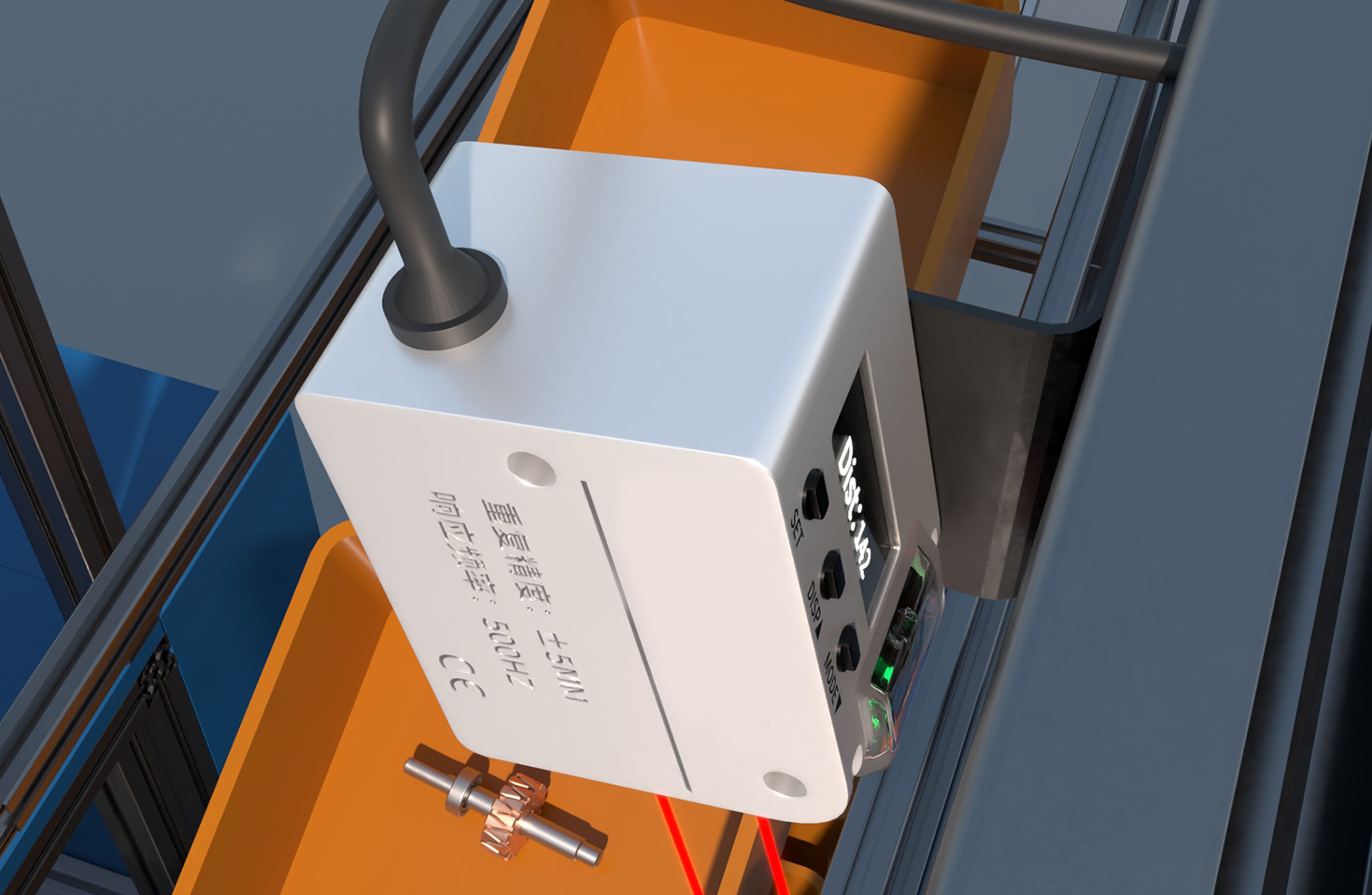
Looking ahead, innovations in North laser sensors are focusing on enhanced smart features, such as integrated AI for anomaly detection and improved energy efficiency. As Industry 4.0 evolves, these sensors will play a pivotal role in creating more autonomous, data-driven industrial ecosystems. Their ability to deliver precise, reliable data makes them indispensable tools for modern engineering challenges, driving efficiency and innovation across global industries.