In the intricate world of industrial automation, proximity sensors stand as the silent sentinels of efficiency and safety. These self-operated devices, fundamental to modern sensing technology, detect the presence or absence of an object without any physical contact. Their operation hinges on generating an electromagnetic field or a beam of radiation, with changes in this field or the return signal indicating a target's presence. This non-contact principle is the cornerstone of their reliability, eliminating mechanical wear and tear and enabling high-speed operation in demanding environments.
The core advantage of a self-operated proximity sensor lies in its autonomy. It functions independently, requiring no external controller for its basic detection task. Upon sensing a target within its specified range, it directly switches its output state. This output is typically a solid-state transistor switch (PNP or NNP) or, in some models, a relay contact. This simplicity translates to straightforward integration into control systems like PLCs (Programmable Logic Controllers). The sensor itself houses all necessary components: the oscillator to create the sensing field, the detection circuit, and the output amplifier. This integrated, self-contained design minimizes wiring complexity and reduces potential points of failure.
Several technologies dominate the proximity sensor landscape, each suited to specific applications. Inductive proximity sensors are the workhorses for detecting metallic objects. They generate an oscillating electromagnetic field from a coil. When a metal target enters this field, it induces eddy currents, which dampen the oscillation. The sensor's circuit detects this damping and triggers the output. These sensors are ideal for counting metal parts, determining position limits, or confirming the presence of a machine component.
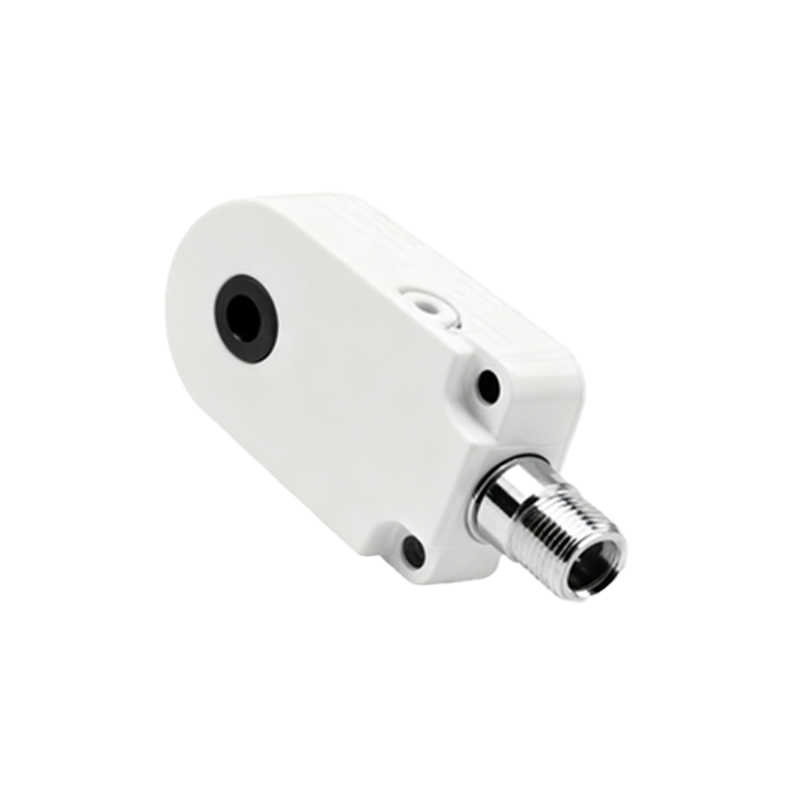
For non-metallic targets, including liquids, powders, and most plastics, capacitive proximity sensors are the preferred choice. They operate similarly to inductive types but can detect any material that affects a dielectric field. They sense changes in capacitance caused by the target entering the electrical field between the sensor's electrodes. This makes them perfect for level detection in tanks, monitoring fill levels in hoppers, or detecting labels on packaging.
Magnetic proximity sensors, often called reed switches or Hall-effect sensors, detect permanent magnets. They are exceptionally reliable in harsh conditions involving dirt, dust, or moisture, as the sensing is purely magnetic. Common applications include detecting the position of cylinder pistons in pneumatic systems or verifying door closures.
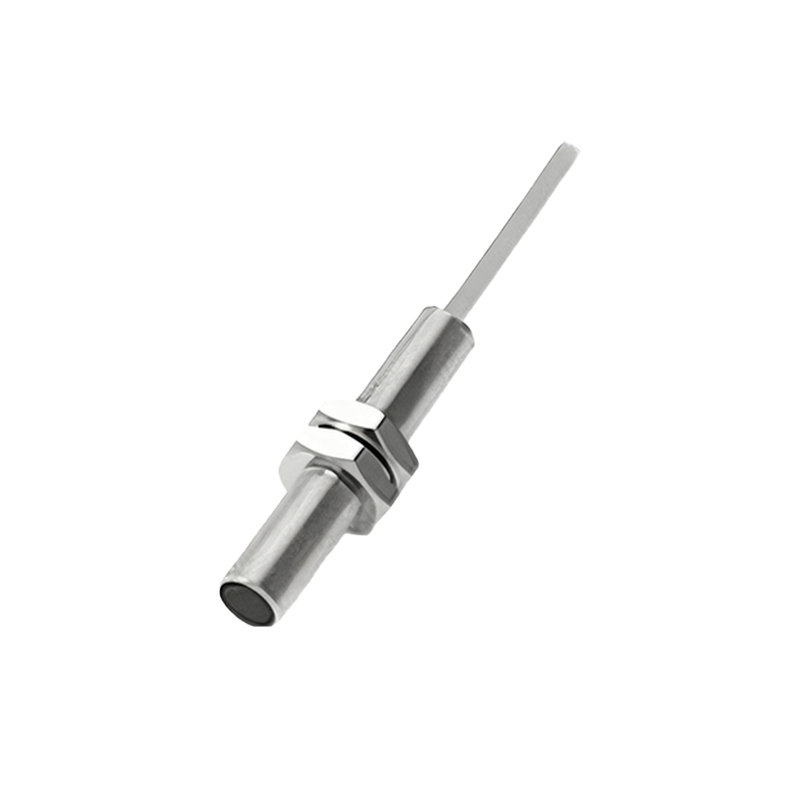
Photoelectric sensors, while sometimes categorized separately, are a vital proximity technology. They use a light emitter (usually LED) and a receiver. In the proximity (diffuse) mode, the sensor detects light reflected back from the target itself. These are excellent for detecting objects of various colors and materials at longer ranges than inductive or capacitive sensors.
The selection of a self-operated proximity sensor is critical and depends on multiple factors. The target material is the primary determinant for choosing between inductive, capacitive, or magnetic types. The required sensing distance, or nominal range, must be carefully considered, typically choosing a sensor with a range 10-20% greater than the application requires to account for variations. Environmental conditions are paramount; sensors are rated with IP (Ingress Protection) codes for dust and water resistance, and specific models are designed for extreme temperatures, washdown environments, or areas with strong electromagnetic interference.
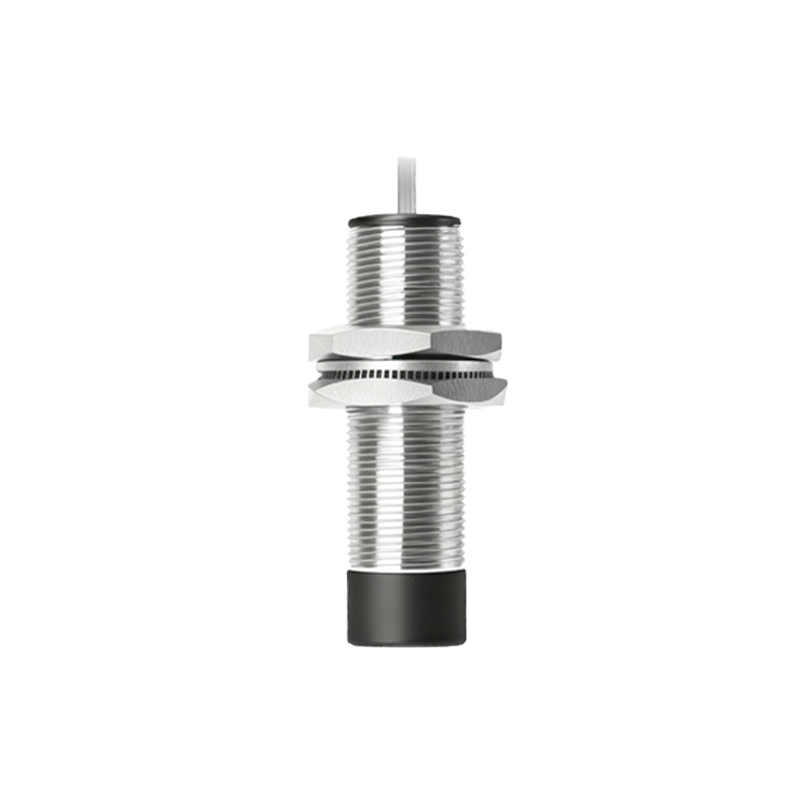
Electrical characteristics cannot be overlooked. The operating voltage (commonly 10-30V DC or 90-250V AC), output type (sourcing PNP or sinking NPN for DC models), and whether a Normally Open (NO) or Normally Closed (NC) configuration is needed must match the control system's requirements. The physical housing, from tubular barrels (e.g., M8, M12, M18, M30) to block-style designs, must suit the mounting constraints.
In practice, the application of these autonomous sensors is vast. On a conveyor line, an inductive sensor verifies a metal part is present before a robotic arm engages. A capacitive sensor monitors the plastic pellet level in a silo, preventing overflow or run-out. Magnetic sensors provide precise, reliable feedback on the position of automated guided vehicles (AGVs) or elevator floors. The self-operated nature ensures rapid, local decision-making, reducing the processing load on the central controller and enhancing the system's overall responsiveness and robustness.
In conclusion, self-operated proximity sensors are indispensable components in automated systems. Their ability to perform reliable, non-contact detection independently forms the foundational layer of data acquisition for industrial control. By understanding the principles behind inductive, capacitive, magnetic, and photoelectric technologies, engineers can specify and deploy the optimal sensor, ensuring seamless integration, maximum uptime, and the precise, autonomous operation that modern industry demands.