Line laser sensors have become indispensable tools in modern industrial automation, offering high-precision, non-contact measurement for tasks such as profile scanning, dimension inspection, and surface defect detection. As their adoption grows across sectors like automotive, electronics, and manufacturing, adherence to established standards ensures reliability, safety, and interoperability. This article explores key standards governing line laser sensors, focusing on performance benchmarks, safety protocols, and industry-specific guidelines.
First, performance standards define the accuracy, resolution, and repeatability of line laser sensors. Organizations like the International Electrotechnical Commission (IEC) and the International Organization for Standardization (ISO) provide frameworks such as ISO 9283 for industrial robots and IEC 61757 for fiber optic sensors, which indirectly influence laser-based systems. These standards specify testing methods for parameters like linearity error, measurement range, and environmental robustness (e.g., temperature, humidity). For instance, ISO 10360 outlines verification procedures for coordinate measuring machines, applicable to laser scanners used in metrology. Compliance ensures sensors deliver consistent results in demanding conditions, reducing errors in quality control processes.
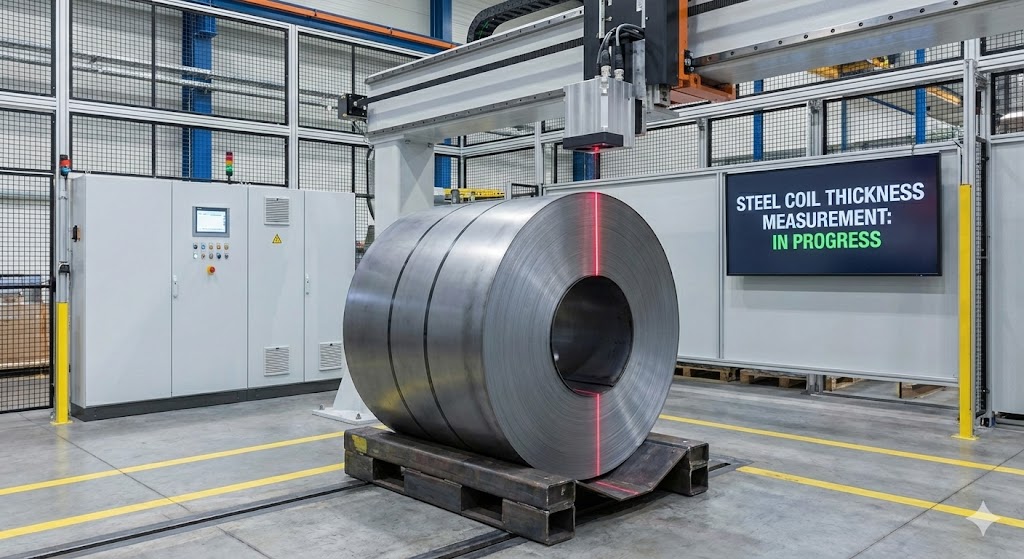
Safety is paramount, given the potential risks from laser radiation. The IEC 60825 series, aligned with global regulations, classifies lasers based on emission levels and mandates protective measures. Line laser sensors typically fall under Class 1 or Class 2, deemed safe under normal operation, but installations must follow guidelines for labeling, enclosure design, and user training. In the U.S., the Food and Drug Administration (FDA) enforces similar rules under 21 CFR Part 1040. Adhering to these standards minimizes hazards like eye damage and ensures workplace compliance, particularly in industries with stringent safety audits.
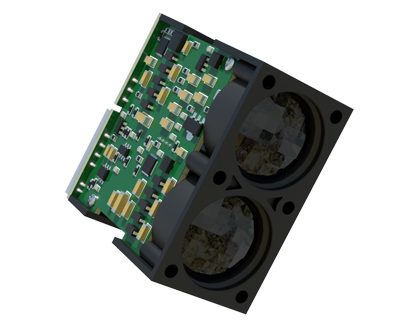
Industry-specific standards further tailor requirements. In automotive manufacturing, for example, the German Association of the Automotive Industry (VDA) recommends protocols for sensor integration in assembly lines, while the Semiconductor Equipment and Materials International (SEMI) sets norms for electronics production. These include electromagnetic compatibility (EMC) standards like IEC 61326, which prevent interference from industrial noise, and mechanical durability tests per ISO 9022 for vibration resistance. By following such guidelines, manufacturers guarantee that sensors function seamlessly in complex environments, from cleanrooms to factory floors.
Interoperability standards facilitate communication between sensors and control systems. Protocols like IO-Link, governed by IEC 61131-9, enable plug-and-play connectivity, while Ethernet-based systems (e.g., PROFINET, EtherCAT) rely on IEEE 802.3 for data transmission. Standardized interfaces reduce integration time and support Industry 4.0 initiatives, allowing real-time data exchange for predictive maintenance and process optimization.

Looking ahead, evolving standards will address emerging trends like AI-driven analytics and miniaturization. Bodies like the ASTM International are developing new metrics for 3D scanning accuracy, while sustainability norms may focus on energy efficiency. Engineers and operators should stay updated through resources from the Laser Institute of America (LIA) or regional bodies like the European Committee for Electrotechnical Standardization (CENELEC).
In summary, standards for line laser sensors form a critical backbone for industrial innovation. By prioritizing performance, safety, and adaptability, they empower businesses to leverage cutting-edge technology while maintaining operational excellence. As industries advance, continuous collaboration among stakeholders will refine these frameworks, driving progress in automation and measurement science.