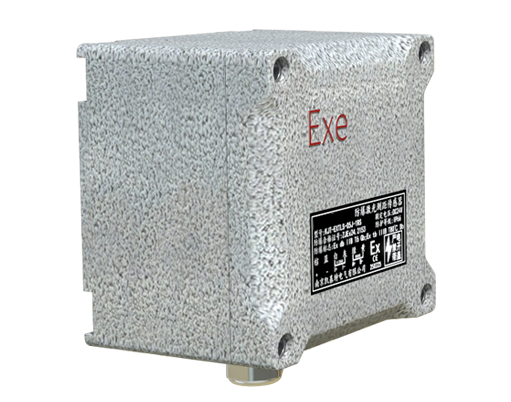
In the rapidly evolving landscape of industrial automation and precision measurement, the laser sensor stands as a cornerstone technology. Selecting a high-quality laser sensor is not merely a procurement decision; it is a critical investment in operational reliability, data accuracy, and long-term productivity. A superior laser sensor transcends basic functionality, offering a suite of characteristics that ensure robust performance in demanding environments. This article delineates the key attributes that define an excellent laser sensor, guiding engineers and procurement specialists in making informed choices.
The foundation of a premium laser sensor lies in its core measurement performance. Key specifications include resolution, repeatability, linearity, and measurement speed. Resolution refers to the smallest detectable change in distance or position. For high-precision tasks like semiconductor wafer alignment or micro-component inspection, a sub-micron resolution is often non-negotiable. Repeatability, or the sensor's ability to consistently return the same measurement for an identical target under unchanged conditions, is paramount for quality control processes. Poor repeatability introduces statistical noise and undermines process capability indices (Cp/Cpk). Linearity error indicates the deviation of the sensor's output from a perfectly straight line across its entire measuring range. A high-quality sensor exhibits exceptional linearity, often specified as a percentage of the full scale (e.g., ±0.05% F.S.), ensuring accurate measurements regardless of the target's position within the range. Finally, measurement speed or sampling rate determines how quickly the sensor can update its output. In dynamic applications such as robotic guidance or high-speed sorting, a slow sensor becomes a bottleneck, failing to capture rapid positional changes.
Beyond raw specifications, the robustness and design integrity of the sensor are crucial. The housing should conform to a high Ingress Protection (IP) rating, such as IP67 or IP69K, guaranteeing resistance to dust, water jets, and occasional immersion—essential for washdown environments in food & beverage or pharmaceutical manufacturing. The construction must withstand significant shock and vibration, common in heavy machinery like stamping presses or conveyor systems. Thermal stability is another critical, yet often overlooked, factor. A quality laser sensor incorporates temperature compensation mechanisms to minimize drift across its operational temperature range, ensuring consistent readings in an unregulated factory setting where ambient temperature can fluctuate.
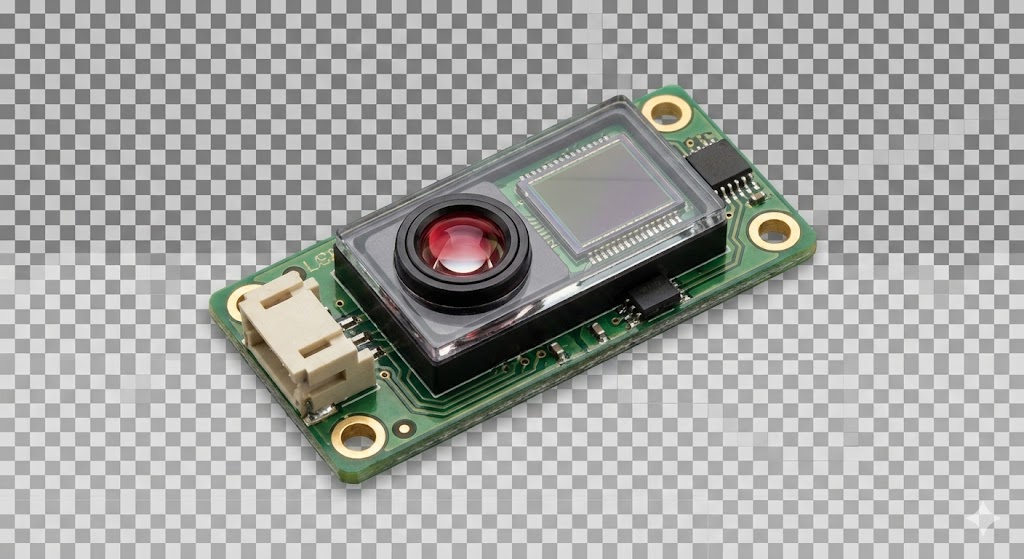
The choice of laser technology itself is a primary differentiator. While many standard sensors use visible red lasers, high-end models may employ blue lasers or specialized wavelengths. Blue laser diodes, for instance, offer a finer spot size on the target due to their shorter wavelength, enhancing resolution and performance on reflective or organic surfaces. For challenging surfaces like shiny metals, dark or matte materials, a sensor with advanced background suppression or true background suppression technology is vital. This feature allows the sensor to reliably detect the target while ignoring reflections or objects beyond the intended measurement plane. Some advanced models also offer programmable measurement modes (e.g., peak, edge, or centroid detection) to adapt to various surface conditions and geometries.
Equally important is the sensor's electronic interface and connectivity. A modern, high-quality laser sensor provides flexible output options, including analog (4-20 mA, 0-10 V), digital (RS-422, RS-485), and industrial Ethernet protocols (EtherNet/IP, PROFINET, EtherCAT). This facilitates seamless integration into Programmable Logic Controller (PLC) networks and Industrial Internet of Things (IIoT) architectures. Intuitive configuration software, accessible via USB or Ethernet, allows for easy setup of complex parameters, saving valuable engineering time. Features like multi-point teaching, windowing, and data logging directly on the sensor enhance its versatility.

Finally, support and documentation complete the picture of quality. Reputable manufacturers provide comprehensive datasheets with detailed performance graphs, application notes, and 3D CAD models for easy mechanical integration. A global support network and clear warranty terms provide peace of mind, reducing total cost of ownership by minimizing unplanned downtime. In summary, a high-quality laser sensor is characterized by exceptional and verifiable metrological performance, rugged mechanical and environmental design, advanced optical technology for diverse surfaces, future-proof connectivity, and strong manufacturer support. Prioritizing these elements ensures the selected sensor will deliver precise, reliable, and durable service, forming a dependable foundation for any automated system.