In industrial automation and process control, proximity sensors are widely recognized for their ability to detect the presence or absence of solid objects without physical contact. However, their application in liquid level detection is often overlooked, despite offering significant advantages in certain scenarios. This article delves into the principles, methods, and best practices for using proximity sensors to measure liquid levels, providing a comprehensive guide for engineers and technicians in the electrical and automation fields.
Proximity sensors operate based on various physical principles, including inductive, capacitive, and ultrasonic technologies. For liquid level detection, capacitive and ultrasonic proximity sensors are the most commonly employed types, as they can interact effectively with non-metallic materials like liquids. Inductive sensors, which detect metallic objects, are generally unsuitable for direct liquid sensing unless a metallic float or actuator is used as an intermediary.
Capacitive proximity sensors function by generating an electrostatic field. When a material enters this field, it alters the sensor's capacitance, triggering an output signal. For liquids, capacitive sensors can detect changes in dielectric constant. To measure liquid levels, the sensor is typically mounted on the exterior of a non-metallic tank or inside a container, with its sensing face directed toward the liquid. As the liquid level rises or falls, the capacitance changes, allowing the sensor to detect the presence or absence of liquid at a specific point. This method is ideal for point-level detection, such as indicating high or low levels in tanks containing water, oils, chemicals, or other non-conductive fluids. Key considerations include selecting a sensor with an appropriate sensing range and dielectric sensitivity, ensuring proper calibration to account for the liquid's properties, and avoiding interference from foam, vapor, or container vibrations.
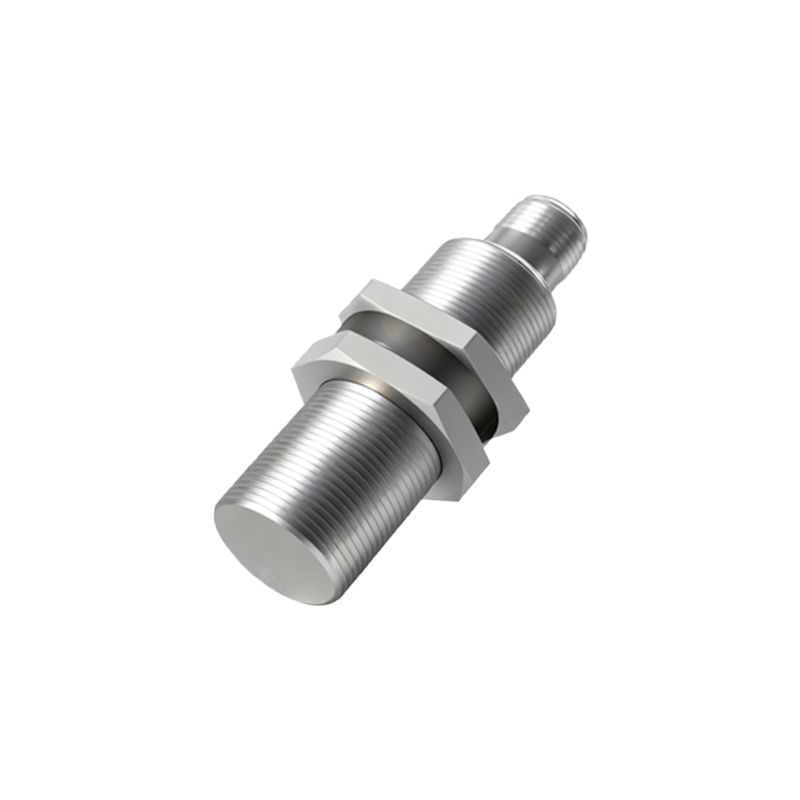
Ultrasonic proximity sensors emit high-frequency sound waves and measure the time taken for echoes to return after reflecting off a surface. For liquid level detection, these sensors are mounted above the liquid surface, directing ultrasonic pulses downward. The distance to the liquid surface is calculated based on the time-of-flight of the reflected waves, enabling continuous level monitoring. Ultrasonic sensors are versatile and can handle various liquids, including corrosive or viscous substances, without direct contact. However, factors like temperature fluctuations, pressure changes, and surface turbulence can affect accuracy. To mitigate these issues, engineers should use sensors with temperature compensation, install them in stable environments, and avoid mounting near agitators or fill points that cause disturbances.
In practical applications, proximity sensors for liquid level detection are deployed in diverse industries. In water treatment plants, capacitive sensors monitor reservoir levels to control pump operations. In the food and beverage sector, ultrasonic sensors ensure precise filling levels in bottles and tanks. Chemical processing facilities rely on these sensors to manage hazardous liquid storage, enhancing safety and efficiency. When implementing such systems, it is crucial to follow installation guidelines: ensure the sensor is correctly aligned, use compatible materials for wetted parts, and integrate with control systems like PLCs for automated responses. Regular maintenance, including cleaning sensing surfaces and verifying calibration, prolongs sensor lifespan and reliability.
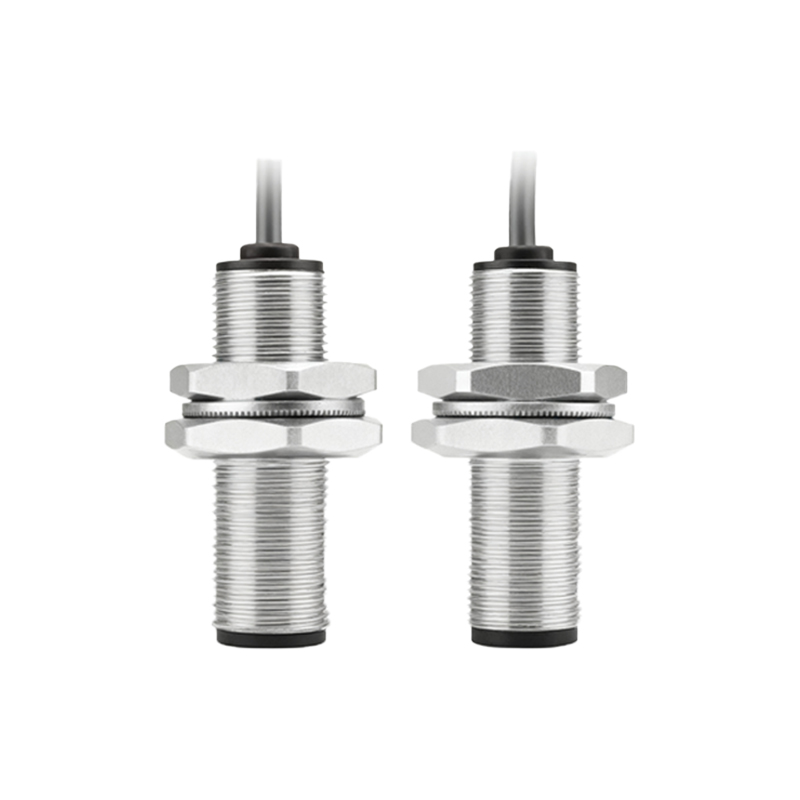
While proximity sensors offer benefits like non-contact operation, durability, and fast response times, they have limitations. For instance, capacitive sensors may struggle with conductive liquids or varying dielectric constants, and ultrasonic sensors can be expensive for simple applications. Alternatives like float switches or pressure transmitters might be more suitable in some cases. Therefore, engineers must assess factors such as liquid properties, environmental conditions, accuracy requirements, and cost before selecting a sensor type.
In conclusion, proximity sensors provide a viable solution for liquid level detection when applied correctly. By understanding the underlying technologies and adhering to best practices, professionals can leverage these sensors to optimize industrial processes, improve safety, and reduce downtime. As automation advances, the role of proximity sensors in liquid monitoring is poised to expand, driven by innovations in sensitivity and integration capabilities.