In the realm of industrial automation and precision measurement, fixed laser sensors have become indispensable tools. Their ability to provide non-contact, high-accuracy measurements for tasks like displacement sensing, edge detection, and profile scanning makes them a cornerstone of modern manufacturing, quality control, and robotics. However, navigating the market for these sensors often leads to a central question: what determines the price of a fixed laser sensor? The cost is not a single figure but a composite of several interrelated technological and commercial factors.
At the core of the pricing structure lies the performance specification. The most significant driver is the sensor's accuracy and resolution. A sensor capable of micron or even sub-micron resolution commands a substantially higher price than one with millimeter-level accuracy. This precision is tied to the quality of the laser diode, the sophistication of the optical system (lenses, filters), and the signal processing algorithms embedded in the sensor's electronics. Similarly, measurement range plays a crucial role. A sensor with a long stand-off distance and a wide measurement field typically costs more due to more complex optics required to maintain a collimated laser beam over distance. The speed of measurement, often expressed in sampling rate (Hz), is another key factor. High-speed sensors for dynamic processes or fast-moving production lines incorporate faster processors and specialized components, increasing the cost.

The type of laser and detection method fundamentally influences the price. Common types include:
* Triangulation Sensors: The most prevalent type for displacement measurement. Prices vary widely based on the aforementioned specs. High-end models with CMOS/PSD arrays and advanced algorithms for handling difficult surfaces (shiny, transparent, or dark) are more expensive.
* Confocal Chromatic Sensors: These offer exceptional accuracy for measuring multi-layered or transparent materials and very small structures. Their complex optical design using white light and spectral analysis places them in a premium price bracket.
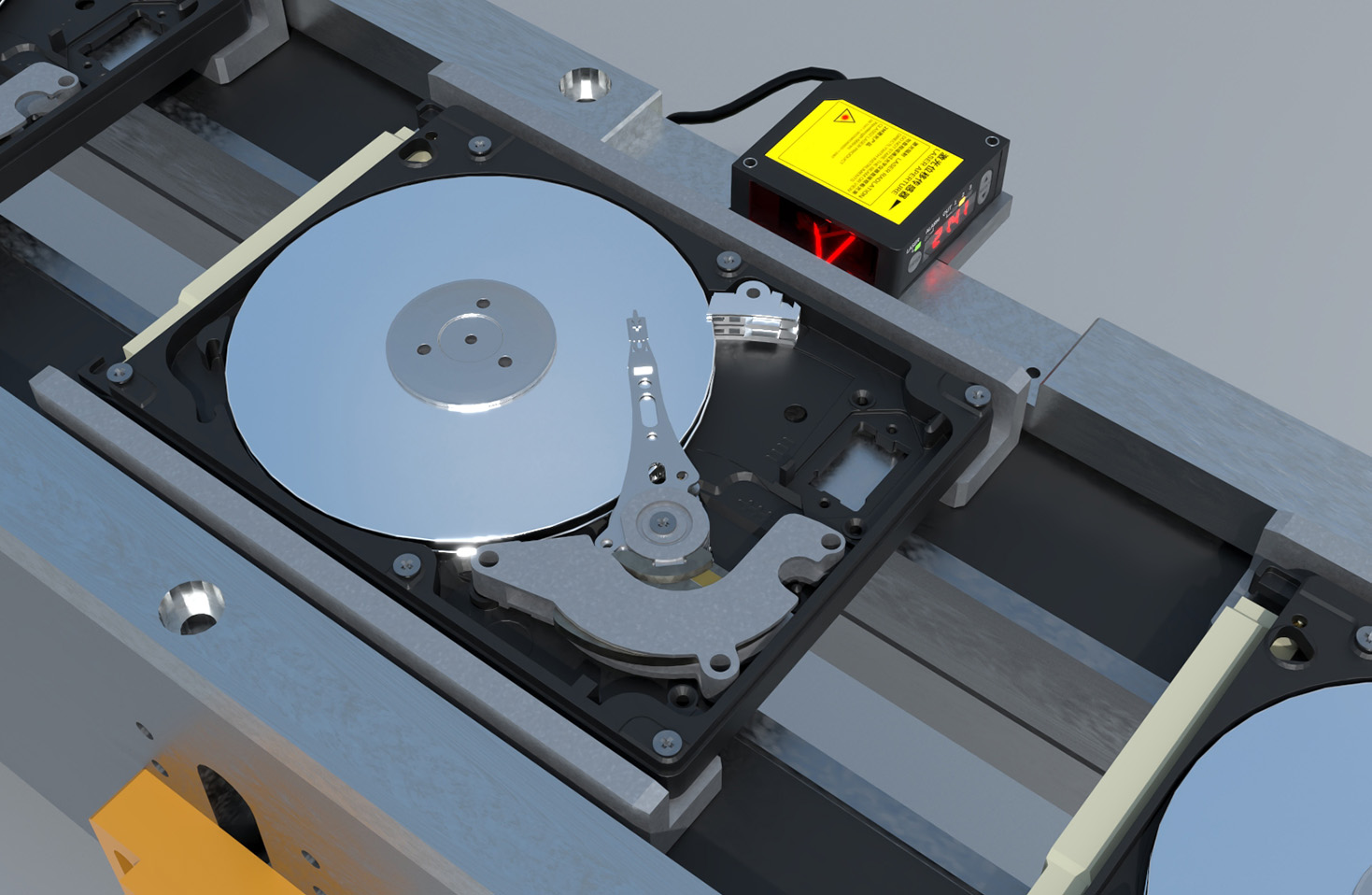
* Laser Micrometer (Scanning Gauges): Used for non-contact diameter and thickness measurement, these systems use a scanning laser beam. Their price is higher due to the moving mirror mechanism and the need for precise synchronization.
Environmental robustness and build quality are critical for industrial settings, adding to the cost. Sensors rated with high Ingress Protection (IP) codes (e.g., IP67, IP69K) for dust and water resistance, built with stainless steel housings, and designed to withstand significant vibration, shock, and wide temperature ranges require more durable materials and rigorous manufacturing processes. A sensor built for a clean lab environment will be less expensive than one designed for a harsh foundry or outdoor application.
Features and Outputs also contribute. Basic sensors may offer simple analog (0-10V, 4-20mA) or digital (RS-232) outputs. Advanced models include Ethernet/IP, PROFINET, EtherCAT, or other industrial fieldbus interfaces, which add complexity. Integrated software suites for configuration, data logging, and advanced analysis, as well features like multi-point measurement, window comparators, and teach-in functions, all enhance functionality and cost.
Beyond the hardware, brand reputation, support, and certification carry weight. Established manufacturers with a long history of reliability, comprehensive global technical support, long warranty periods, and compliance with international standards (CE, UL, FDA for specific applications) often price their products at a premium. This cost reflects R&D investment, quality assurance, and the lower risk of downtime for the end-user.
Finally, the commercial context affects the final price. Order volume is paramount; purchasing a single sensor will have a much higher unit cost than a bulk order for an assembly line. The choice between a standard, off-the-shelf model and a customized sensor solution for a unique application will also lead to significant price differences, with customization incurring engineering and setup costs.
In conclusion, the price of a fixed laser sensor is a direct reflection of its capability, durability, and support ecosystem. When evaluating cost, engineers and procurement specialists must perform a total cost of ownership analysis. A slightly cheaper sensor that fails prematurely or causes production errors can be far more expensive than a higher-priced, reliable, and accurate unit that ensures seamless operation and superior product quality. Understanding these factors empowers buyers to make informed decisions that align technical requirements with budgetary constraints, ensuring the selected sensor delivers optimal value for its specific industrial application.