In the realm of industrial automation, light curtain proximity sensors have become indispensable for ensuring safety and enhancing operational efficiency. These devices, which create an invisible curtain of infrared or laser light to detect objects or personnel within a defined area, are widely used in machinery guarding, material handling, and robotic systems. However, the pricing of light curtain sensors can vary significantly, influenced by a multitude of factors that engineers and procurement specialists must consider to make informed decisions.
One of the primary determinants of cost is the sensor's performance specifications. Resolution, which refers to the spacing between individual light beams, plays a crucial role. High-resolution light curtains with beam spacing as fine as 10 mm are essential for detecting small objects or ensuring precise safety zones, but they typically command a higher price due to complex manufacturing processes. Similarly, the sensing range—the distance over which the curtain can effectively operate—impacts cost. Long-range sensors, capable of covering areas up to 20 meters or more, incorporate advanced optics and electronics, leading to increased expenses. Response time is another critical factor; sensors with ultra-fast response times (often below 10 milliseconds) are vital for high-speed machinery but require sophisticated components that elevate the price.
The construction and durability of light curtain sensors also affect their market value. Industrial environments can be harsh, with exposure to dust, moisture, vibrations, and temperature extremes. Sensors built with robust housings, often rated at IP67 or higher for ingress protection, and designed to withstand mechanical shocks, tend to be more expensive. Materials such as stainless steel or reinforced polycarbonate add to the cost but ensure longevity and reliability in demanding settings. Additionally, certifications for safety standards, like ISO 13849 or IEC 61496, involve rigorous testing and compliance measures, contributing to higher prices while guaranteeing adherence to global regulations.
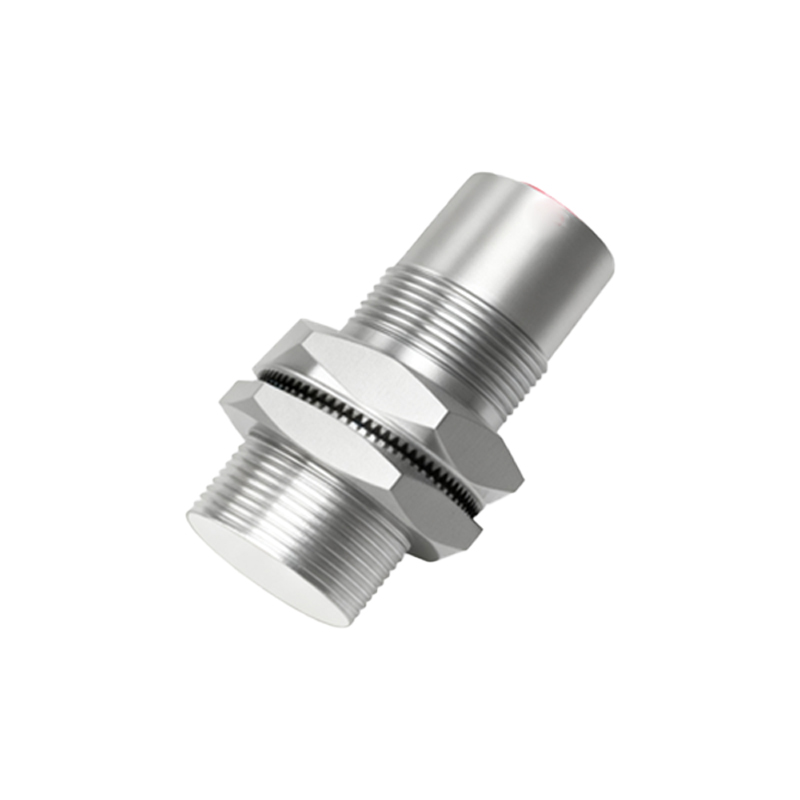
Functionality and integration capabilities further influence pricing. Basic light curtains may offer simple on/off detection, while advanced models include features like muting (temporary suspension of the safety function for material passage), blanking (ignoring specific areas within the curtain), and diagnostics via digital interfaces. These smart sensors often support connectivity protocols such as Ethernet/IP, PROFINET, or IO-Link, enabling seamless integration into Industry 4.0 systems. The added complexity of software development and hardware design for these features results in a premium cost. Moreover, customization options—such as tailored lengths, specific beam patterns, or specialized mounting accessories—can drive prices up based on unique project requirements.
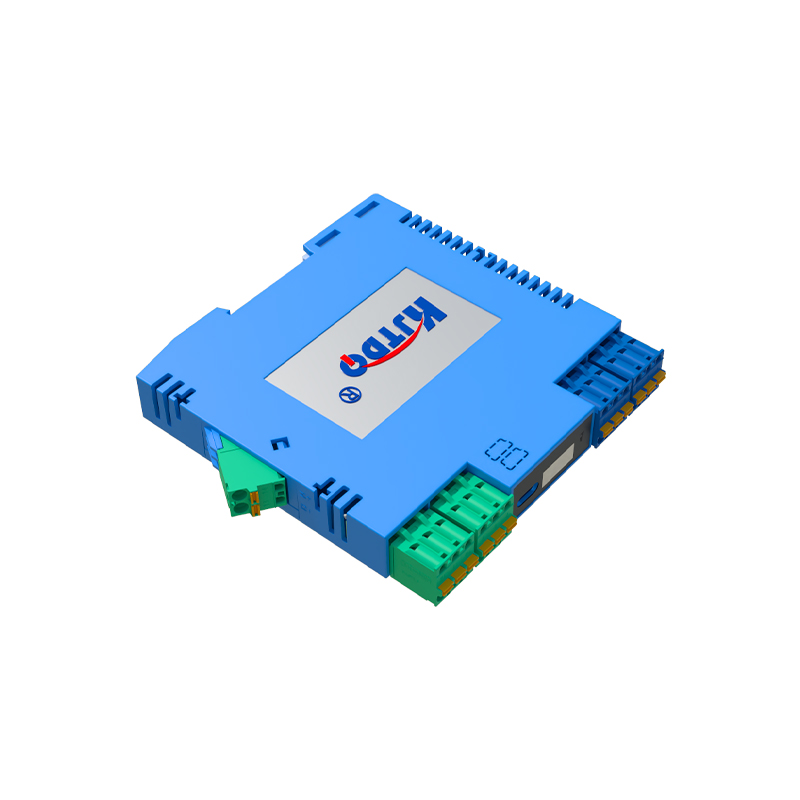
Brand reputation and market positioning are significant in the pricing landscape. Established manufacturers with a proven track record in safety technology, like SICK, Banner Engineering, or Keyence, often price their products higher due to extensive research and development, comprehensive warranties, and global support networks. These brands invest in continuous innovation, offering sensors with enhanced accuracy and reliability, which justifies the cost for critical applications. In contrast, newer or generic brands might provide lower-priced alternatives, but they may lack the same level of testing, certification, or after-sales service, potentially leading to higher long-term costs from downtime or replacements.
Supply chain dynamics and economic factors also play a role. Fluctuations in raw material costs, such as for semiconductors or optical components, can impact sensor prices. Geopolitical events or trade policies might affect availability and tariffs, influencing overall expenses. Additionally, order volume can lead to discounts; bulk purchases for large-scale industrial projects often reduce per-unit costs, whereas buying individual sensors may be more expensive. It's essential for buyers to consider total cost of ownership, including installation, maintenance, and potential upgrades, rather than just the initial purchase price.
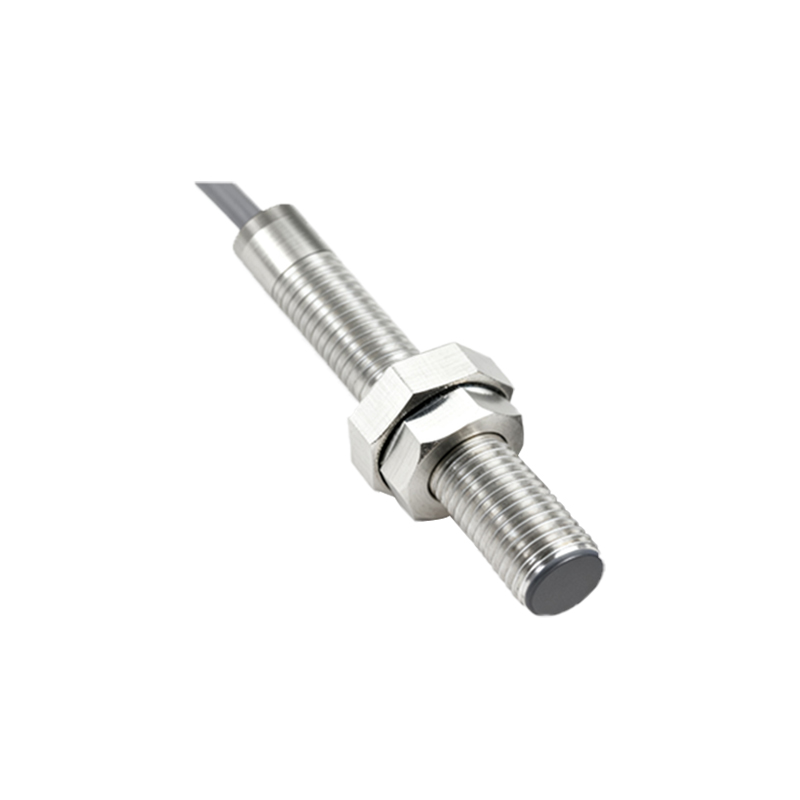
In summary, the price of light curtain proximity sensors is shaped by a complex interplay of technical specifications, build quality, features, brand value, and external market conditions. For engineers, selecting the right sensor involves balancing budget constraints with performance needs and safety requirements. By understanding these factors, professionals can optimize investments, ensuring both operational efficiency and compliance in industrial automation systems.