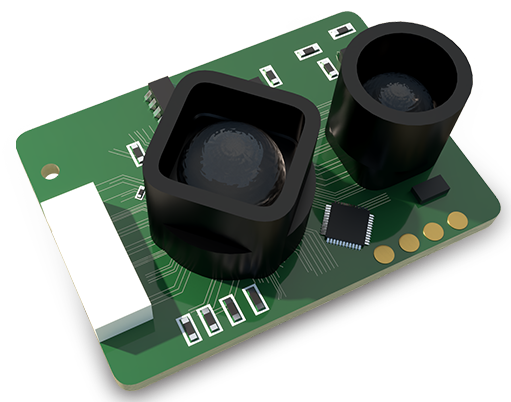
Laser sensors are critical components in modern industrial automation, offering high precision for distance measurement, object detection, and alignment. However, they are susceptible to interference from various environmental factors, which can degrade performance and lead to operational failures. Proper shielding techniques are essential to ensure reliability and accuracy. This article outlines practical methods to shield laser sensors effectively.
First, identify potential sources of interference. Common culprits include ambient light (especially from other lasers or bright industrial lighting), electromagnetic fields from nearby motors or power lines, and physical obstructions like dust or vapor. Conduct an environmental assessment to pinpoint these issues before implementing shielding solutions.
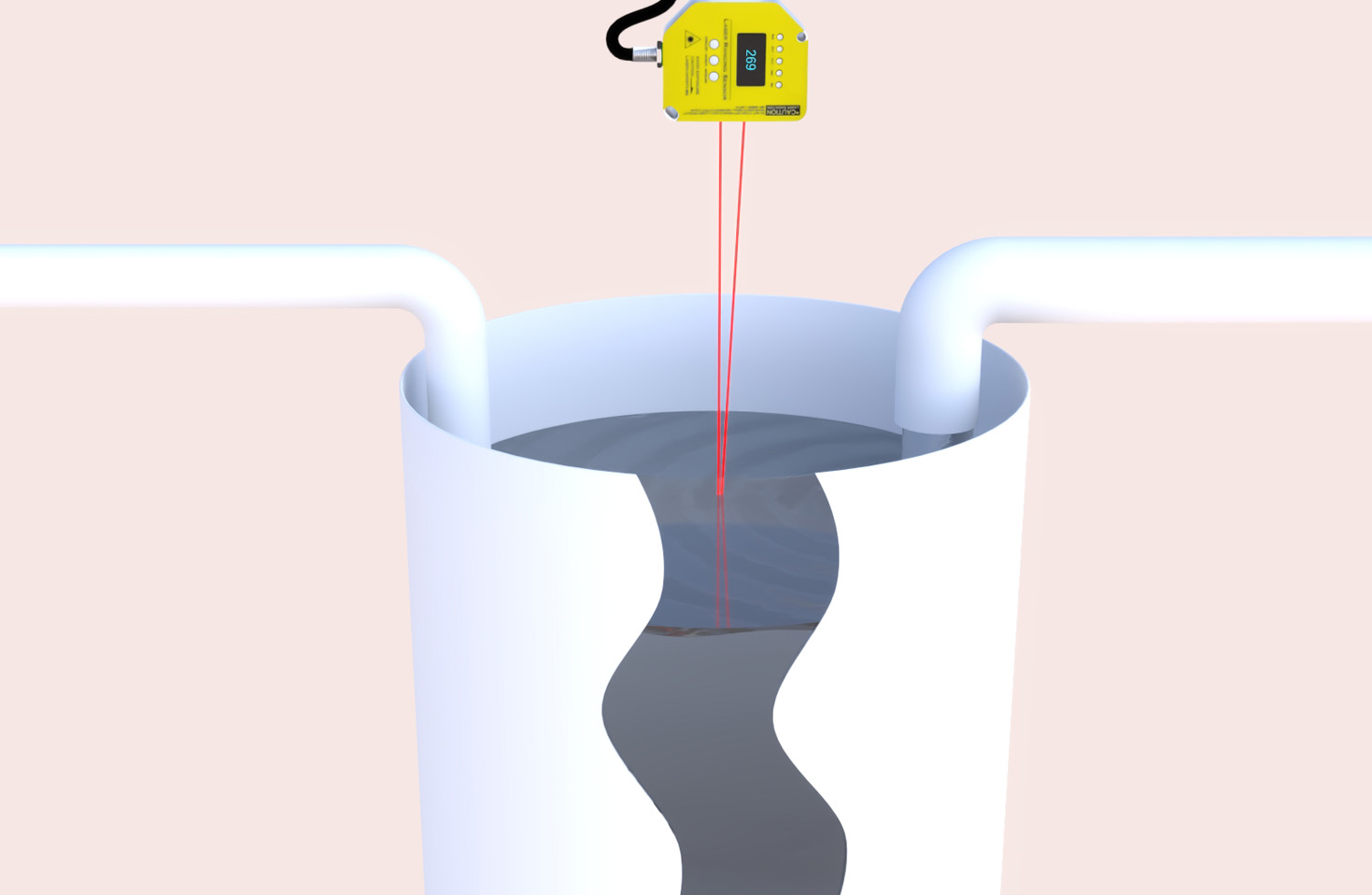
For optical interference, use optical filters or enclosures. Bandpass filters can be attached to the sensor lens to allow only the specific wavelength of the laser light to pass through, blocking extraneous light. Enclosures made of opaque materials, such as metal or coated plastic, can physically shield the sensor from ambient light. Ensure the enclosure has a small aperture aligned with the sensor’s beam path to minimize exposure.
Electromagnetic interference (EMI) requires conductive shielding. Wrap the sensor and its cables in EMI shielding materials, like copper foil or braided sleeves, and ground them properly to divert unwanted electrical noise. Keep sensor cables away from high-power equipment and use twisted-pair or shielded cables to reduce inductive coupling.
Environmental contaminants, such as dust, moisture, or chemicals, can scatter or absorb laser beams. Install protective housings with IP ratings suitable for the operating conditions (e.g., IP67 for dust and water resistance). Regular maintenance, including lens cleaning and inspection of seals, is crucial to prevent buildup that might interfere with sensor function.
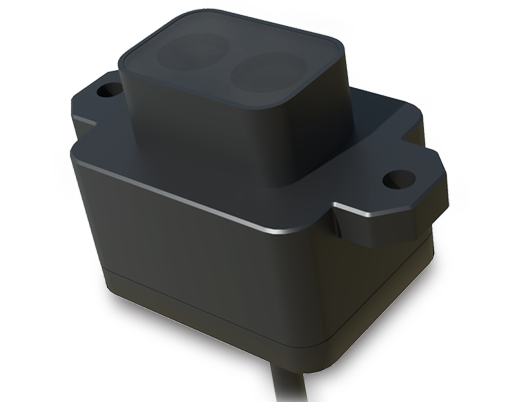
Alignment and mounting also play a role in shielding. Secure the sensor on stable, vibration-resistant mounts to avoid misalignment from mechanical shocks. Use adjustable brackets to fine-tune the angle, ensuring the laser beam is directed accurately toward the target without obstructions.
In summary, shielding laser sensors involves a combination of optical, electromagnetic, and physical strategies. By addressing interference sources proactively and employing appropriate materials and designs, engineers can enhance sensor durability and precision. Always refer to the manufacturer’s guidelines and test the setup under real-world conditions to validate effectiveness.