In the world of industrial automation and precision measurement, laser sensors have become indispensable tools. Their ability to provide non-contact, high-accuracy measurements makes them ideal for a wide range of applications, from manufacturing lines to harsh outdoor environments. A common and critical question that arises during system design and sensor selection is: Are laser sensors waterproof? The answer is not a simple yes or no, but rather a nuanced understanding of international protection ratings, sensor construction, and application-specific requirements.
The key to determining a laser sensor's suitability for wet or dusty environments lies in its Ingress Protection (IP) rating, as defined by the international standard IEC 60529. This rating system classifies the degrees of protection provided by enclosures against the intrusion of solid objects (like dust) and liquids (like water). The IP code typically consists of the letters "IP" followed by two digits. The first digit indicates protection against solids (on a scale of 0-6), and the second digit indicates protection against liquids (on a scale of 0-9). For instance, a common rating for industrial sensors is IP67.
An IP67 rating is often interpreted as "waterproof" in casual conversation. Let's decode it: The '6' means the sensor is dust-tight, offering complete protection against dust ingress. The '7' signifies protection against the effects of temporary immersion in water. Specifically, an IP67-rated sensor can withstand immersion in up to 1 meter of water for 30 minutes. This level of protection is excellent for applications where the sensor might be exposed to heavy washdowns, occasional splashing, or temporary flooding. Many laser distance sensors, photoelectric sensors, and laser profile scanners designed for factory automation carry this rating.
For more demanding environments involving prolonged or high-pressure water exposure, higher ratings are necessary. An IP68 rating indicates protection against continuous immersion in water under conditions specified by the manufacturer (often deeper and longer than IP67). An IP69K rating represents the highest level of liquid protection, certifying that the sensor can withstand close-range, high-pressure, high-temperature water jets—a standard requirement for sensors in food and beverage processing or industries requiring rigorous sanitary washdowns.
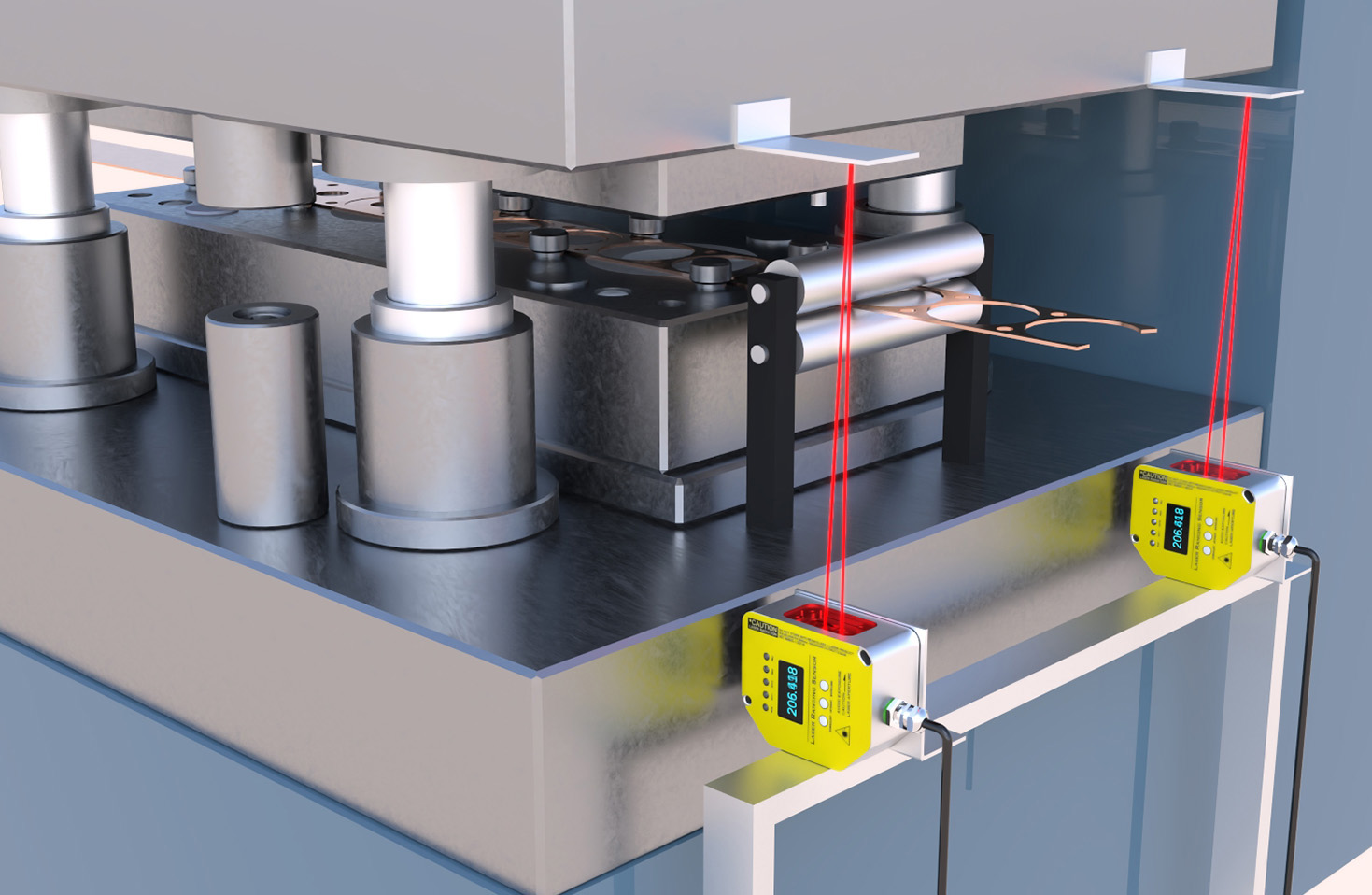
However, labeling a sensor as universally "waterproof" can be misleading. Several critical factors must be considered. First, the IP rating applies to the sensor's housing or enclosure, not necessarily to the laser aperture window itself. Condensation can form on this internal window if the sensor experiences rapid temperature changes, potentially scattering the laser beam and causing measurement errors. Some high-end models address this with heated windows or special coatings. Second, the integrity of cable glands and connectors is paramount. A sensor body may be IP67, but if the connected cable or its entry point is not properly sealed, water will find a path inside. Using matching IP-rated connectors and ensuring proper installation is crucial.
Furthermore, environmental conditions extend beyond just water. Exposure to chemicals, oils, extreme temperatures, or physical impact can compromise seals and materials over time. A sensor's housing material—often stainless steel (e.g., SUS316L) or engineered plastics like PBT—plays a vital role in its long-term resilience. Regular maintenance and inspection of seals are recommended for sensors in harsh duty cycles.
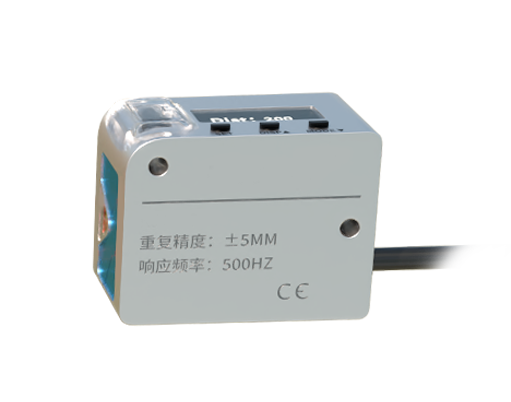
In practical application, selecting the right laser sensor involves a thorough risk assessment. For indoor machine guarding or clean assembly lines, an IP65 rating (protected against low-pressure water jets) may be sufficient. For outdoor logistics, mining, or maritime applications, IP67/IP68 is typically the baseline. For pharmaceutical cleanrooms or meat processing plants with daily high-pressure, high-temperature cleaning, IP69K is often non-negotiable.
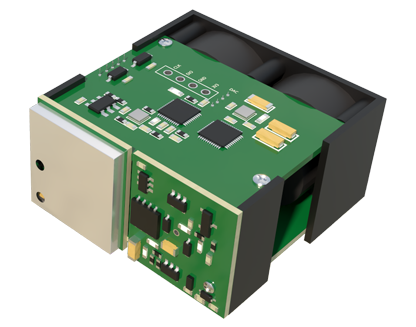
Manufacturers provide detailed specifications for each sensor model. It is essential to consult these datasheets and not assume capability based on a generic product line. Key specifications to review include the exact IP rating, operating temperature range, housing material, and any special notes regarding condensation or chemical resistance.
In conclusion, while many industrial-grade laser sensors are built to be highly water-resistant and carry robust IP ratings like IP67, IP68, or IP69K, the term "waterproof" should be used with caution. Success in wet environments depends on selecting a sensor with an IP rating that exceeds the specific environmental challenges of the application, ensuring correct installation, and understanding the limitations related to condensation and long-term material degradation. By carefully matching the sensor's protective features to the operational demands, engineers can ensure reliable, accurate, and long-lasting performance, even in the most challenging conditions where water is a constant factor.