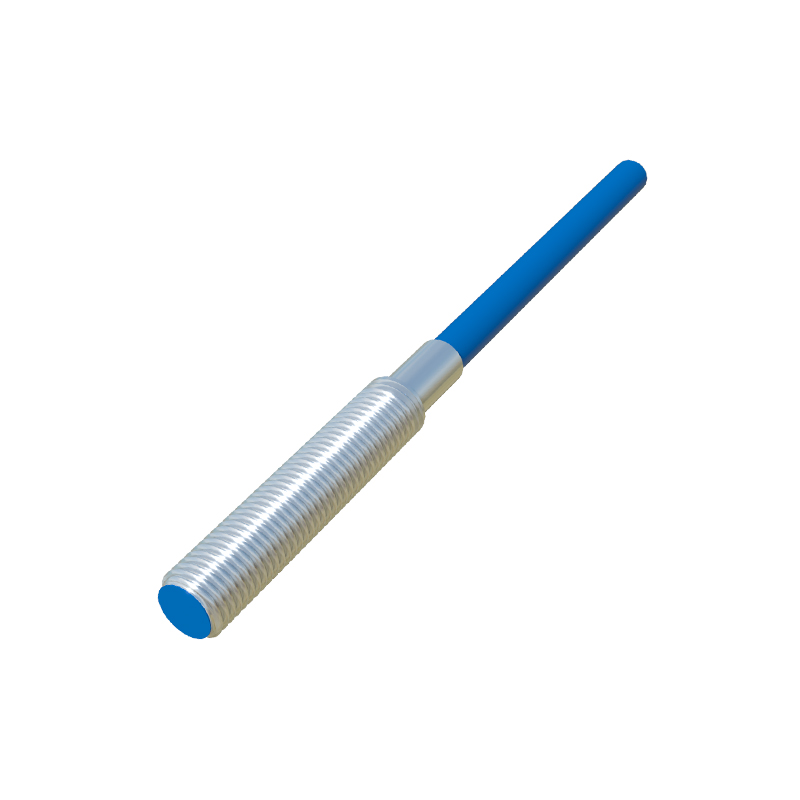
Proximity sensors are indispensable components in modern industrial automation, offering non-contact detection of metallic and non-metallic objects. Among various types, the 13mm diameter cylindrical inductive proximity sensor (often referred to as "13 proximity sensors" in industry shorthand) is particularly popular due to its compact size, robust construction, and reliable performance. This article explores thirteen key application areas where these sensors excel, providing engineers and technicians with practical insights for system design and maintenance.
1. Machine Tool Positioning: In CNC machining centers and lathes, 13 proximity sensors are mounted to detect the presence of tool holders, verify spindle orientation, or confirm workpiece clamping. Their small form factor allows installation in tight spaces near rotating components, ensuring precise positional feedback without mechanical contact.
2. Conveyor Line Object Detection: On assembly and packaging lines, these sensors monitor the passage of products, boxes, or pallets. They can count items, trigger sorting mechanisms, or detect jams. The shielded versions are ideal for side-mounting near metal conveyor frames without interference.
3. Robotic End-Effector Feedback: Integrated into robotic grippers or welding arms, 13 sensors confirm whether a part is correctly grasped or if a tool is in its home position. This real-time feedback enhances robotic accuracy and prevents collision damage.
4. Valve Position Sensing: In pneumatic and hydraulic systems, they detect the open/closed status of cylinder pistons or rotary valves. The sealed designs withstand oil, coolant, and dust, making them suitable for harsh fluid power environments.
5. Safety Door Monitoring: Installed on guard doors of industrial machinery, the sensors confirm that access panels are securely closed before enabling machine operation, contributing to safety interlock systems.
6. Material Level Control: When mounted on hoppers or silos, they detect the presence or absence of bulk materials (e.g., plastic pellets, grains) by sensing a metal flag or the material itself if conductive, aiding in inventory management.
7. Motor and Gearbox Synchronization: In coordinated drives, sensors provide index pulses by detecting gear teeth or keyways on shafts, enabling precise speed and phase alignment between multiple motors.
8. Printing and Labeling Registration: Web-fed printers use these sensors to detect registration marks or perforations on paper or film, ensuring accurate print alignment and cut-off timing.
9. Elevator and Lift Positioning: They serve as limit switches in elevator systems to confirm car position at floor levels or detect door closure, often paired with magnetic or cam targets.
10. Automated Storage and Retrieval Systems (AS/RS): Within high-density storage racks, 13 sensors verify the presence of storage bins or indicate shuttle cart positions, optimizing retrieval accuracy.
11. Textile Machinery Thread Break Detection: By sensing metallic guides or tensioners, they instantly identify thread breaks in looms or knitting machines, minimizing production downtime.
12. Food and Beverage Fill Level Verification: In filling machines, they detect metal caps, cans, or bottles on conveyor lines to coordinate filling heads, though food-grade housings may be required for direct contact zones.
13. Mobile Equipment and AGV Navigation: On automated guided vehicles, sensors help in docking alignment by detecting floor-embedded metal strips or confirming load engagement on forks.
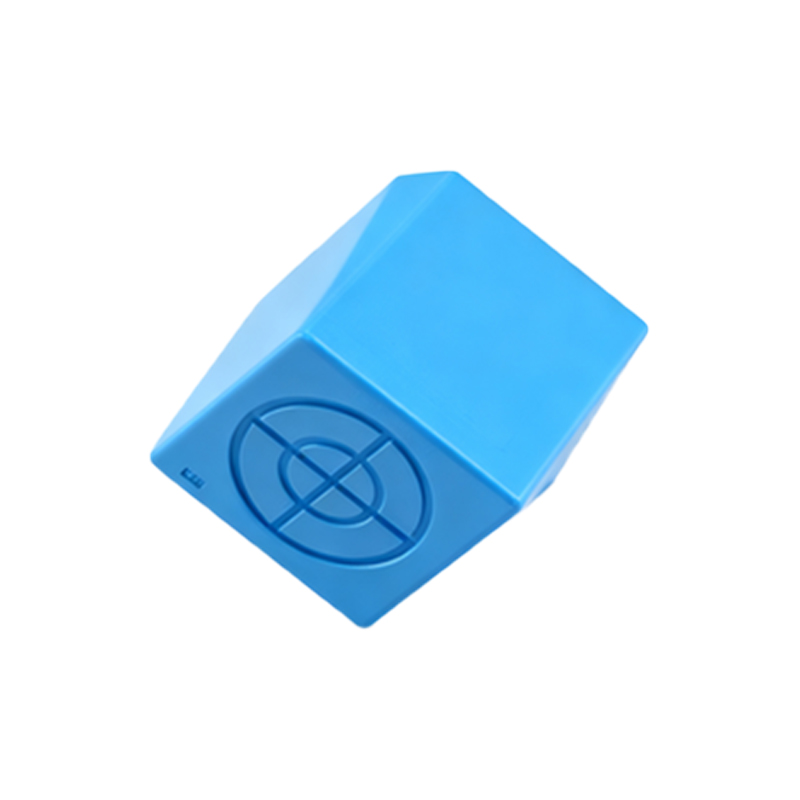
Selection considerations for 13 proximity sensors include sensing range (typically 2-5mm for inductive types), output type (PNP/NPN, NO/NC), housing material (nickel-plated brass or stainless steel), and environmental ratings (IP67/IP69K). Proper installation is critical: maintain adequate clearance from adjacent metal surfaces, avoid sensor face contamination, and ensure stable power supply to prevent erratic switching. Regular maintenance involves checking mounting stability, cleaning sensing faces, and verifying output signals with a multimeter or PLC input monitor.
As Industry 4.0 advances, these sensors increasingly integrate IO-Link connectivity for diagnostic data (e.g., operating temperature, switch cycle count), enabling predictive maintenance. Their versatility, durability, and cost-effectiveness ensure that 13 proximity sensors remain a cornerstone of industrial automation, bridging mechanical operations with electronic control systems seamlessly.