In the realm of industrial automation and precision measurement, German laser distance sensors stand as a paragon of engineering excellence. These devices, leveraging advanced laser technology, provide non-contact, high-accuracy distance measurements critical for a myriad of applications, from automotive assembly lines to intricate robotics and logistics systems. The core principle involves emitting a laser beam towards a target; the sensor then calculates the distance by analyzing the time-of-flight of the reflected light or through phase-shift evaluation. This method ensures micron-level precision, even in challenging environments with variable lighting or surface textures.
German manufacturers, renowned for their rigorous quality standards and innovative R&D, have pioneered significant advancements in this field. Companies like SICK AG, Leuze electronic, and Baumer have developed sensors that integrate seamlessly with Industry 4.0 frameworks. These sensors often feature robust housings rated IP67 or higher, ensuring reliable operation amidst dust, moisture, and mechanical vibrations. Key technological enhancements include integrated IoT connectivity for real-time data transmission, adaptive algorithms for handling reflective or dark surfaces, and ultra-compact designs for space-constrained installations.
The application spectrum is vast. In automotive manufacturing, these sensors precisely control robot positioning for welding and painting, enhancing both safety and product consistency. In logistics, they enable accurate parcel dimensioning and automated guided vehicle (AGV) navigation. Furthermore, in construction and civil engineering, portable laser distance meters facilitate rapid, error-free site surveys. The integration of blue laser technology in some models offers improved visibility and focus on metallic surfaces, a testament to continuous innovation.
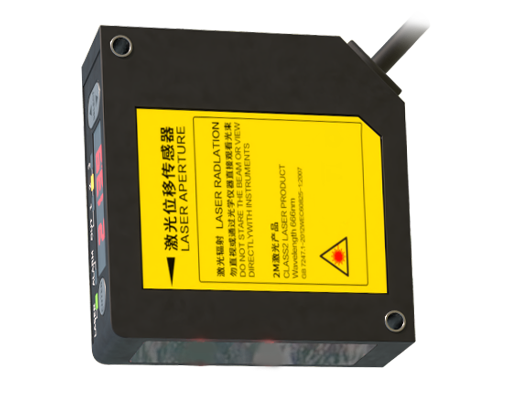
Selecting the appropriate sensor requires careful consideration of parameters such as measuring range, response time, resolution, and output interface (e.g., IO-Link, analog, or Ethernet). German sensors are particularly valued for their long-term stability and minimal drift, reducing maintenance needs and total cost of ownership. Calibration traceable to national standards ensures consistent accuracy, a critical factor for quality assurance in regulated industries like pharmaceuticals and aerospace.
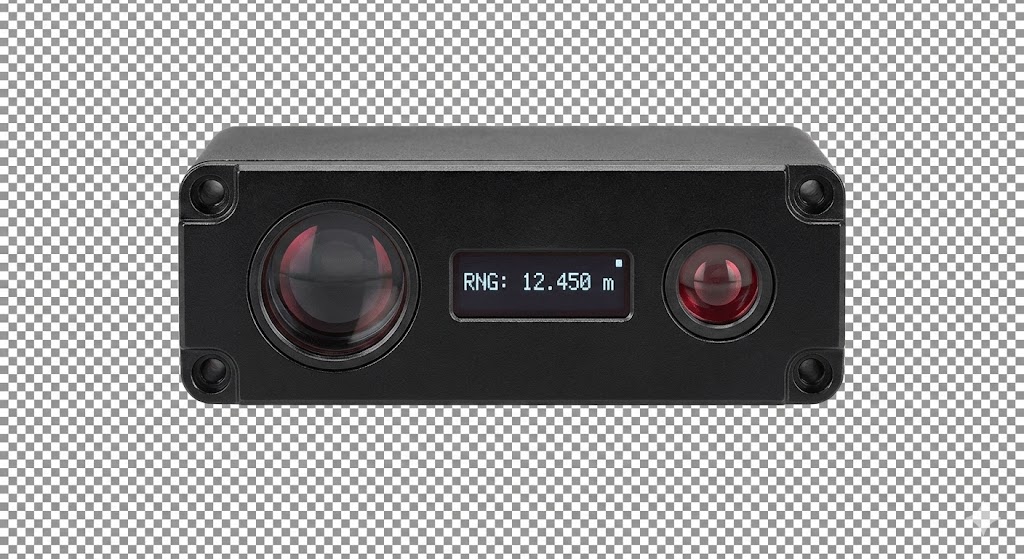
Looking ahead, trends point towards smarter, more interconnected systems. The fusion of laser distance measurement with AI for predictive analytics and self-diagnosis is on the horizon. German engineering, with its emphasis on *Technik* (technical prowess) and *Zuverlässigkeit* (reliability), continues to set the benchmark, driving efficiency and precision in the global industrial landscape. As digital transformation accelerates, these sensors will remain indispensable tools, embodying the synergy of optical precision and robust industrial design.