Proximity sensors are critical components in hydraulic systems, particularly for monitoring the position of hydraulic cylinders. These sensors detect the presence or absence of a target—typically the piston or rod within a cylinder—without physical contact, ensuring reliable operation in demanding industrial environments. When selecting a proximity sensor model for hydraulic cylinder applications, engineers must consider factors such as sensing technology, environmental conditions, mounting requirements, and output configurations.
The most common types of proximity sensors used with hydraulic cylinders include inductive, capacitive, and magnetic variants. Inductive sensors are widely preferred for detecting metallic targets like steel pistons. Models such as the IFM IW Series and Sick IM Series offer high switching frequencies and robust housing, making them suitable for heavy machinery. Capacitive sensors, like the Pepperl+Fuchs C Series, can detect non-metallic materials and are ideal for applications involving fluid level monitoring within cylinder reservoirs. Magnetic sensors, including Balluff BMF Series and Turck Bi Series, utilize reed or Hall effect technologies to sense magnetic fields, often used with cylinders equipped with permanent magnets on the piston.
Key specifications to evaluate when choosing a sensor model include sensing distance, temperature range, housing material, and protection class. For hydraulic cylinders, sensing distances typically range from 2 mm to 20 mm, depending on the cylinder size and mounting constraints. Temperature resilience is crucial, as hydraulic systems can operate between -25°C to +85°C; models like the IFM IW with extended temperature ratings ensure performance in extreme conditions. Housing materials such as stainless steel (e.g., Sick IM30) or nickel-plated brass provide corrosion resistance against hydraulic fluids and moisture. Protection classes like IP67 or IP69K (e.g., Balluff BMF) guard against dust, water jets, and chemical exposure.
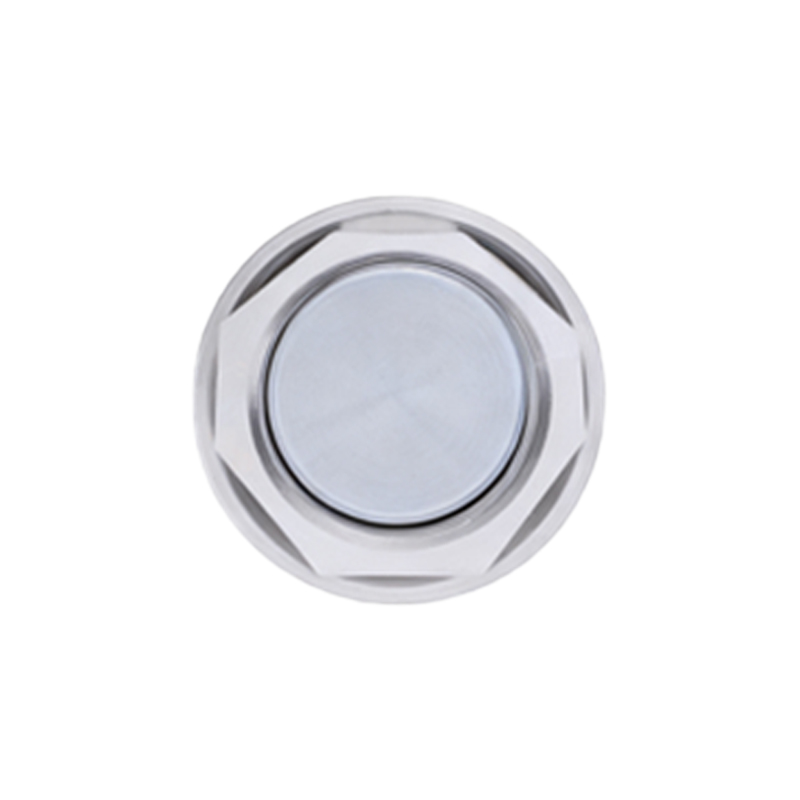
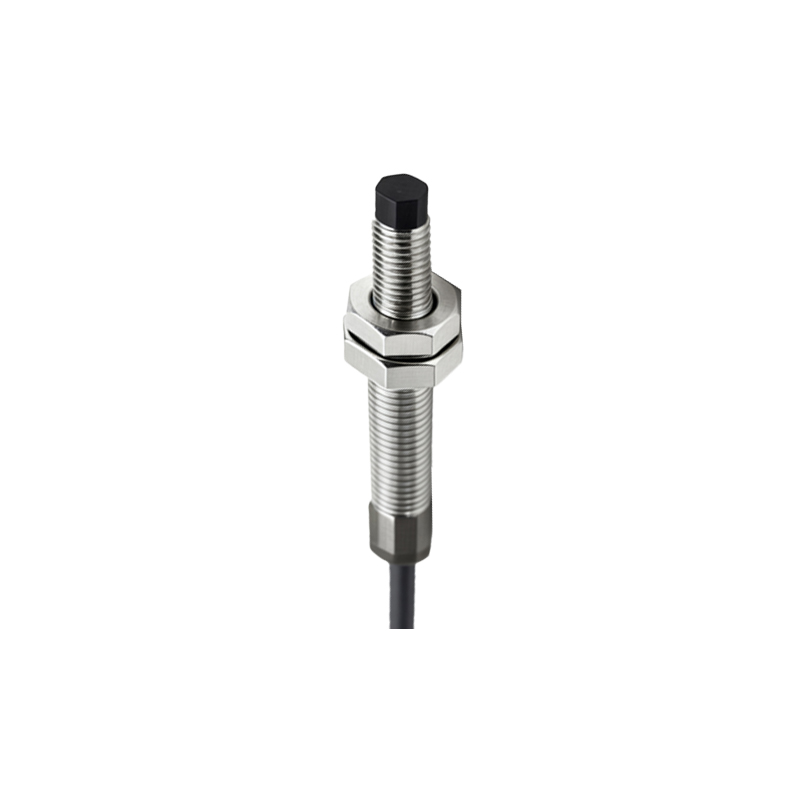
Mounting options vary by model and application. Threaded cylindrical sensors (e.g., M8, M12, M18, M30 sizes) are common for direct installation into cylinder ports, while rectangular or block-style sensors (like Turck Q Series) offer flexible mounting on external brackets. Some advanced models feature adjustable sensing ranges or teach-in functionality, allowing calibration without disassembly. Output configurations include PNP, NPN, analog (4-20 mA or 0-10 V), and IO-Link digital interfaces for integration with PLCs or control systems. For example, the Pepperl+Fuchs NJ Series with IO-Link enables real-time diagnostics and parameter adjustments, enhancing predictive maintenance.
In practice, selecting the right sensor model involves matching these technical aspects to the hydraulic cylinder's operating parameters. For high-speed cylinders in packaging machinery, fast-response inductive sensors with switching frequencies up to 5 kHz (e.g., Sick IM12) minimize cycle times. In mobile hydraulics, such as construction equipment, ruggedized models with vibration resistance (e.g., IFM IW200) are essential. Additionally, consider electrical requirements: DC voltage ratings (10-30 V DC are standard) and current capacity must align with the control system to avoid overload.
Maintenance and installation tips include ensuring proper alignment between the sensor and target, avoiding metal shavings or fluid contamination, and using shielded cables to prevent electromagnetic interference. Regular testing with a multimeter or diagnostic tool can verify signal integrity. As Industry 4.0 advances, smart sensors with embedded diagnostics—such as the Balluff BMF with IO-Link—offer data on wear, temperature fluctuations, and failure prediction, reducing downtime.
Ultimately, the choice of proximity sensor model impacts the efficiency, safety, and longevity of hydraulic systems. By evaluating technical specifications against application needs, engineers can optimize performance in industries like automotive manufacturing, material handling, and aerospace. Always consult manufacturer datasheets and industry standards (e.g., IEC 60947-5-2) for compliance and reliability assurance.