In industrial automation, proximity sensors play a critical role in detecting the presence or absence of objects without physical contact. Proper calibration and troubleshooting are essential to ensure reliable operation, minimize downtime, and maintain system integrity. This video guide provides a step-by-step approach to calibrating and troubleshooting inductive, capacitive, and photoelectric proximity sensors commonly used in manufacturing and processing environments.
The calibration process begins with understanding the sensor's specifications, including sensing range, output type (PNP/NPN), and voltage requirements. For inductive sensors, ensure the target material is within the specified detection range. Use a non-metallic calibration tool or the actual target material to adjust the sensing distance. Rotate the potentiometer or use the teach-in function, if available, to set the optimal switching point. Avoid common mistakes such as calibrating with incorrect target materials or ignoring environmental factors like temperature fluctuations and electromagnetic interference.
Capacitive sensors require attention to dielectric constants of target materials. Calibration involves adjusting sensitivity to detect materials like liquids, plastics, or grains while ignoring background interference. Use the target material to fine-tune the sensor, ensuring it triggers accurately without false positives. For photoelectric sensors, align the emitter and receiver precisely, clean lenses regularly, and adjust sensitivity based on reflectivity and ambient light conditions.
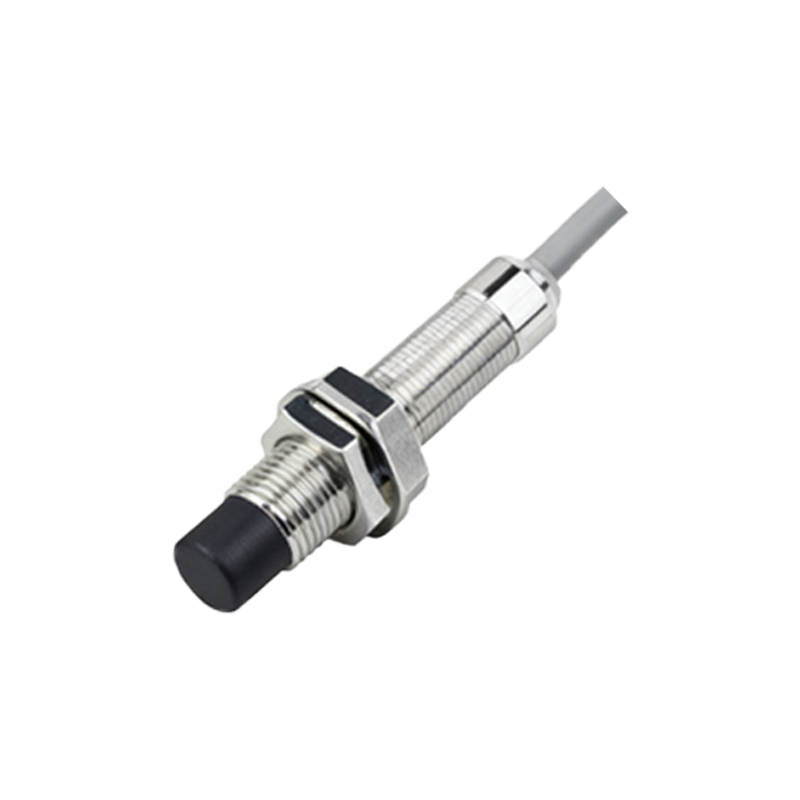
Troubleshooting starts with visual inspection for physical damage, contamination, or misalignment. Check electrical connections using a multimeter to verify voltage supply and output signals. Common issues include sensor failure to detect, intermittent operation, or false triggers. For inductive sensors, test with different metallic targets to rule out material compatibility issues. Capacitive sensors may malfunction due to moisture or debris; ensure proper sealing and cleanliness. Photoelectric sensors often face challenges from dirty optics or competing light sources; use shielding or filters as needed.
Advanced techniques involve using oscilloscopes to analyze signal integrity and PLC diagnostics to monitor sensor performance in real-time. Implement preventive maintenance schedules, including periodic recalibration and environmental checks, to extend sensor lifespan. This video demonstrates practical scenarios, such as calibrating a sensor in a high-vibration conveyor system or troubleshooting a malfunctioning unit in a packaging machine, with clear visuals and annotations.
By following these guidelines, engineers and technicians can enhance system reliability, reduce maintenance costs, and improve overall operational efficiency. The video concludes with best practices for documentation and training, emphasizing safety protocols like lockout-tagout during calibration.