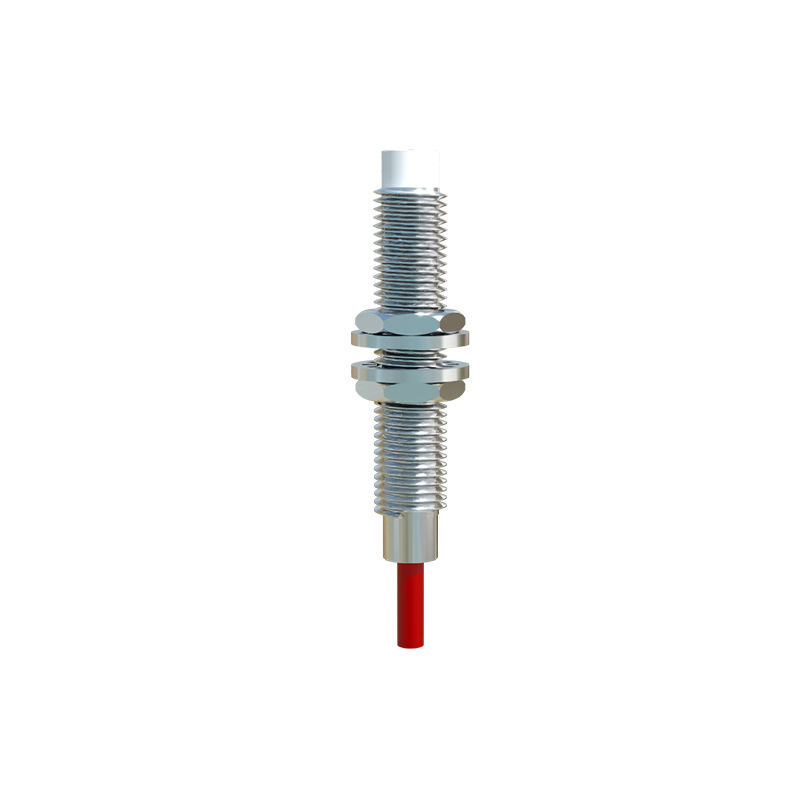
In the intricate and safety-critical world of aviation, a myriad of sophisticated systems work in concert to ensure the safe operation of an aircraft. Among these vital components are proximity sensors, often unsung heroes that play a fundamental role in monitoring the position and movement of various aircraft parts. An aircraft proximity sensor is a non-contact electronic device designed to detect the presence or absence of an object, or to measure the distance to that object, without any physical contact. These sensors are integral to numerous systems, providing essential data to flight control computers, landing gear systems, and engine monitoring units, thereby enhancing operational safety, efficiency, and reliability.
The core principle behind most aviation-grade proximity sensors involves generating an electromagnetic field or a beam of energy. When a target object, such as a landing gear strut, a flap, or a door, enters this field, it causes a detectable change in the sensor's signal. This change is then converted into an electrical signal that is interpreted by the aircraft's avionics. The primary advantage of non-contact sensing is the elimination of mechanical wear and tear, leading to increased longevity and reduced maintenance needs compared to traditional limit switches. Furthermore, they are less susceptible to environmental contaminants like dust, ice, or moisture, which is paramount for operations in diverse and harsh conditions.
Several types of proximity sensors are employed in modern aircraft, each suited for specific applications based on their operating principles. Inductive proximity sensors are among the most common. They generate an oscillating electromagnetic field and are used to detect metallic targets, such as the position of landing gear (up-locked or down-locked), thrust reversers, or control surface actuators. They are highly reliable and precise for short-range detection. Capacitive proximity sensors, on the other hand, can detect both metallic and non-metallic materials by sensing changes in capacitance. These might be used in applications like fluid level sensing in reservoirs or detecting the presence of composite materials.
For longer-range detection or where a very precise measurement is required, ultrasonic and optical sensors are utilized. Ultrasonic sensors emit high-frequency sound waves and measure the time it takes for the echo to return, calculating distance accurately. They can be found in systems like terrain awareness or, in some advanced designs, for monitoring clearance during docking. Optical sensors, including infrared and laser types, use light beams. They are extremely precise and are often used in critical applications such as measuring engine shaft speed (via a phonic wheel) or detecting the alignment of components. Eddy current sensors are another specialized type, offering high-resolution displacement measurements, ideal for monitoring turbine blade tip clearance or shaft vibration within jet engines, providing crucial data for engine health monitoring systems.
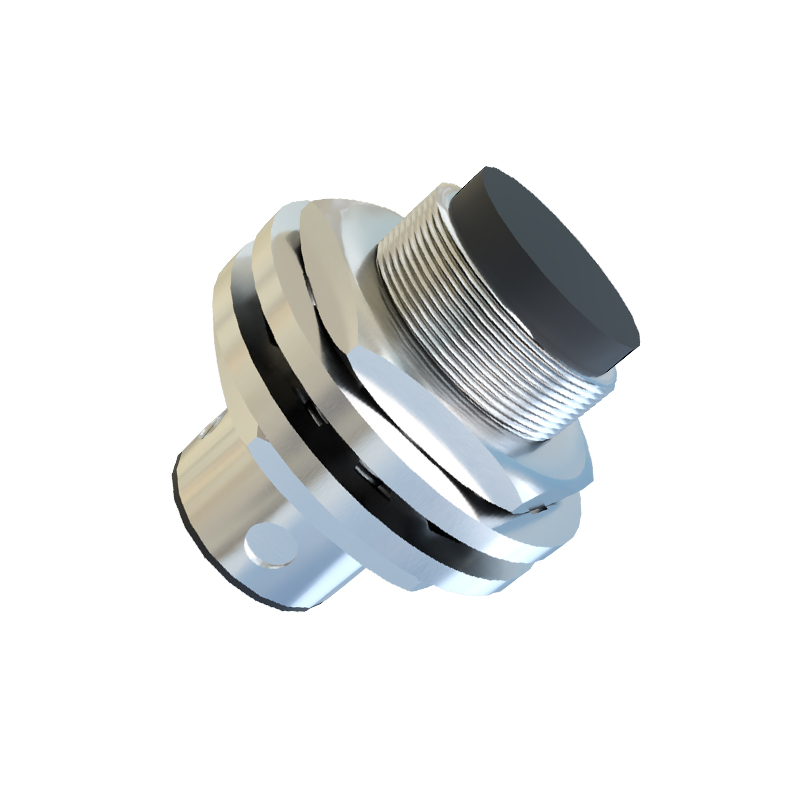
The applications of proximity sensors permeate nearly every system on an aircraft. In the landing gear system, they confirm the safe retraction and extension of gears and doors, sending signals to the cockpit indicators. On flight control surfaces—ailerons, elevators, rudders, and flaps—sensors provide real-time feedback on surface position to the Fly-by-Wire (FBW) flight control computers, ensuring the aircraft responds correctly to pilot inputs. Within the engines, as mentioned, they monitor critical parameters like rotor position and vibration, contributing to the Full Authority Digital Engine Control (FADEC) system's ability to optimize performance and prevent damage. They also secure cabin safety by monitoring door and hatch lock status.
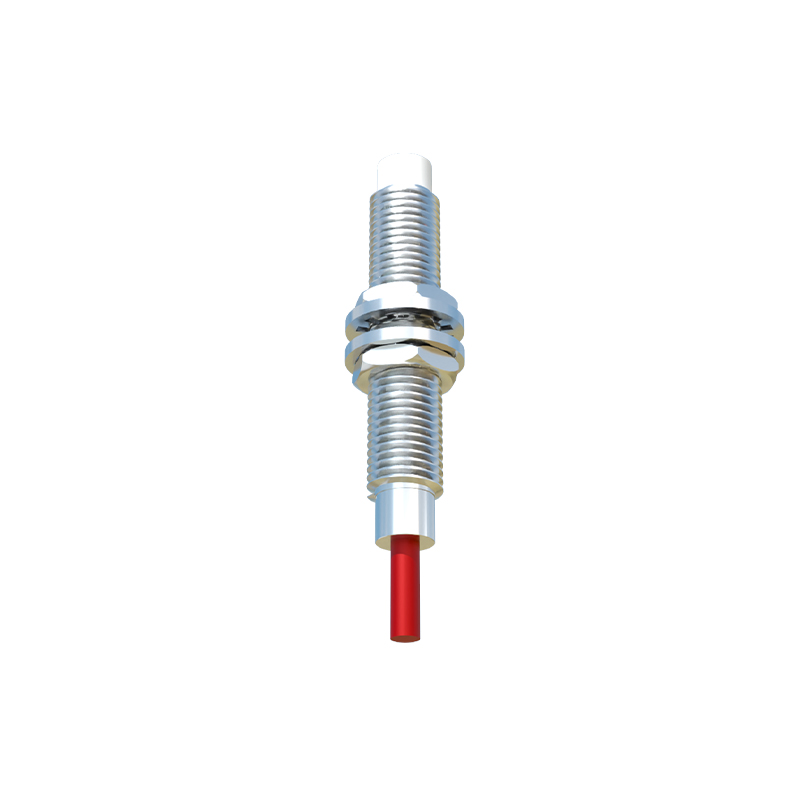
The design and certification of aircraft proximity sensors are governed by stringent standards, such as those from RTCA (e.g., DO-160 for environmental testing) and aerospace-specific requirements for reliability (like MTBF - Mean Time Between Failures). They must endure extreme temperatures, high vibration, electromagnetic interference, and rapid pressure changes. The trend in the industry is towards miniaturization, increased smart functionality (with built-in diagnostics and digital output), and integration with wireless networks for easier health monitoring as part of the broader Aircraft Health Monitoring System (AHMS).
In conclusion, aircraft proximity sensors are fundamental enabling technologies for modern aviation. They provide the essential "eyes" for countless automated systems, translating physical positions into reliable electronic data. Their evolution continues to be driven by demands for greater safety, reduced operational costs, and enhanced aircraft performance. From ensuring the wheels are down for landing to safeguarding the heart of the jet engine, these robust and intelligent devices are indispensable in maintaining the impeccable safety record and operational excellence of today's global aviation industry.