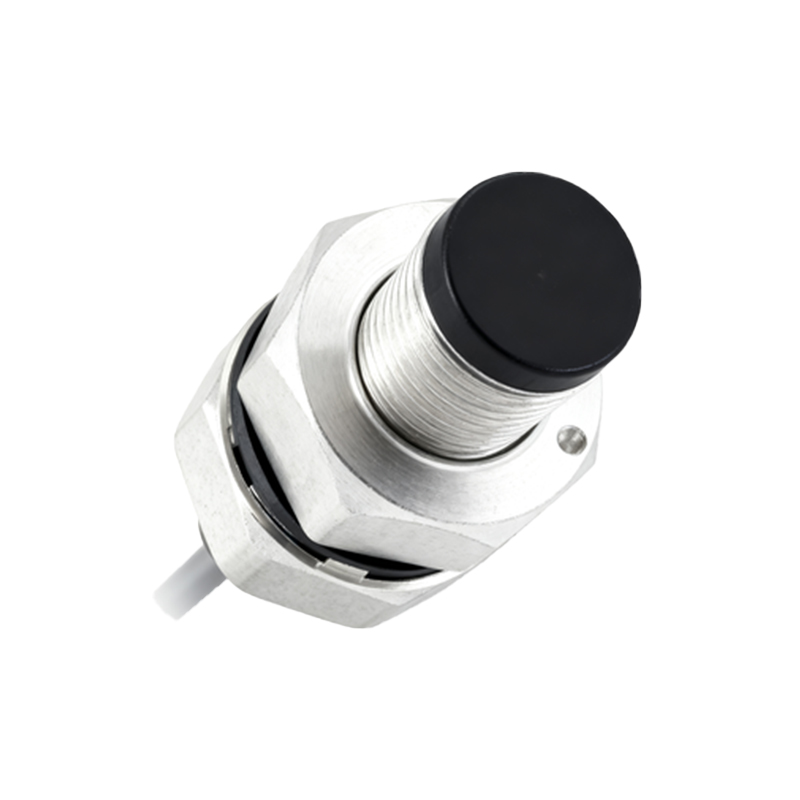
Proximity light sensors, often referred to as photoelectric or optical proximity sensors, are pivotal components in industrial automation and electronic systems. These devices detect the presence, absence, or distance of objects without physical contact, utilizing light beams—typically infrared, visible, or laser—to interact with targets. Their operation hinges on emitting light and analyzing the reflected signal; when an object interrupts or reflects this light, the sensor triggers an output signal. This non-contact nature minimizes wear and tear, enhances reliability, and allows for high-speed detection in demanding environments.
In industrial settings, proximity light sensors serve multiple critical functions. They are extensively used for object detection in assembly lines, ensuring components are correctly positioned for robotic arms or conveyor systems. For instance, in automotive manufacturing, these sensors verify the placement of parts like bolts or panels, preventing errors that could lead to costly rework. Additionally, they facilitate precise counting and sorting tasks in packaging industries, where items on fast-moving belts must be accurately tallied or directed to specific lanes. Another key application is in safety systems, where sensors create invisible barriers around hazardous machinery, immediately halting operation if a worker encroaches, thereby reducing accident risks.
Beyond manufacturing, proximity light sensors are integral to consumer electronics. In smartphones and tablets, they detect when a user holds the device near their ear during a call, automatically turning off the display to save power and prevent accidental touches. Similarly, in home automation, they enable touchless controls for faucets, soap dispensers, and lighting systems, promoting hygiene and energy efficiency. The automotive sector relies on them for features like automatic headlight activation and parking assistance, where sensors gauge distances to obstacles, providing audible or visual alerts to drivers.
The advantages of proximity light sensors stem from their versatility and precision. They can detect a wide range of materials, including metals, plastics, and liquids, unlike inductive sensors that only work with conductive objects. Their response time is exceptionally fast, often in milliseconds, making them suitable for high-speed applications. Moreover, they are less susceptible to environmental factors like dust or moisture when compared to mechanical switches, though proper sealing and calibration are necessary for optimal performance in harsh conditions. Modern advancements have led to miniaturized sensors with enhanced sensitivity, allowing integration into compact devices without sacrificing accuracy.
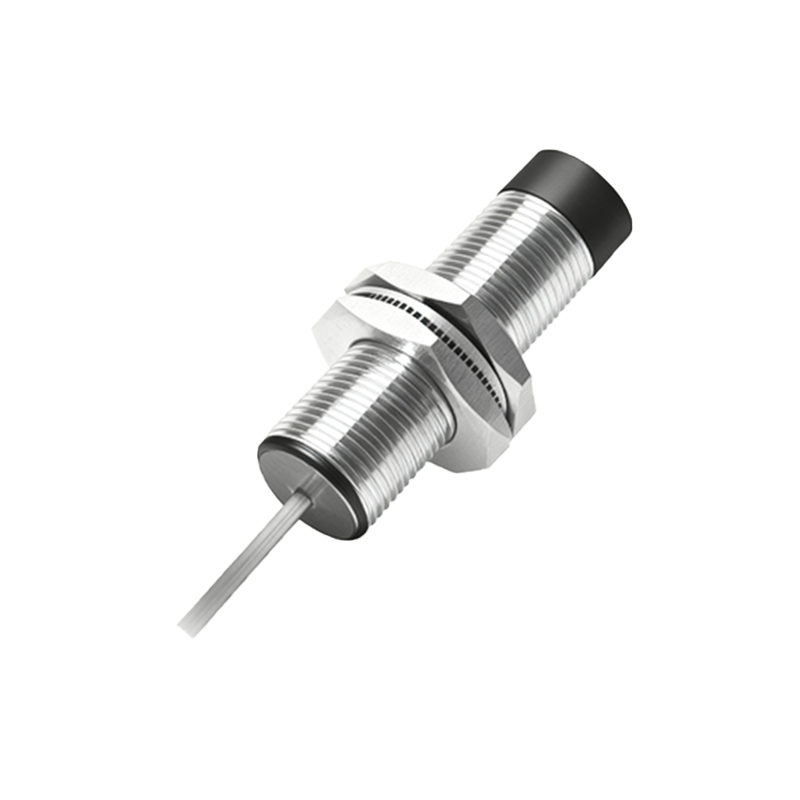
However, selecting the right proximity light sensor requires careful consideration of factors such as sensing range, beam type, and environmental interference. For example, diffuse reflection sensors are ideal for short-range detection, while through-beam sensors offer longer ranges and higher accuracy by separating emitter and receiver units. In outdoor or brightly lit areas, sensors with modulated light signals can filter out ambient light interference, ensuring reliable operation. Regular maintenance, including lens cleaning and alignment checks, is also crucial to prevent false triggers or missed detections.
Looking ahead, the role of proximity light sensors is expanding with trends like the Internet of Things (IoT) and smart manufacturing. Integrated with wireless connectivity and data analytics, these sensors contribute to predictive maintenance systems, where they monitor equipment health and alert operators to potential failures before they occur. In robotics, they enable more nuanced object recognition and handling, supporting collaborative robots that work safely alongside humans. As industries strive for greater efficiency and automation, proximity light sensors will remain indispensable tools, driving innovation across sectors from healthcare to agriculture.
In summary, proximity light sensors are essential for enabling non-contact detection in diverse applications. Their ability to improve operational efficiency, enhance safety, and support technological advancements underscores their value in today’s interconnected world. By understanding their functions and proper implementation, engineers and technicians can leverage these sensors to optimize processes and foster innovation.