In the realm of industrial automation and precision measurement, laser photoelectric sensors stand as a cornerstone technology. These devices, which utilize a focused laser beam as their light source, offer unparalleled accuracy, long sensing ranges, and exceptional resolution compared to their standard LED-based counterparts. Their operation is rooted in the fundamental principles of photoelectric sensing, but the coherent, monochromatic nature of laser light elevates their performance to meet the demands of high-end applications.
The core principle involves the emission of a laser beam from a transmitter towards a target. The sensor then detects changes in the properties of the received light. The primary detection methods include through-beam, retro-reflective, and diffuse reflective modes. In the through-beam (or opposed) mode, the transmitter and receiver are separate units. The target is detected when it interrupts the laser beam traveling between them. This method provides the longest possible sensing distance and highest reliability, as it is largely immune to the target's color, texture, or reflectivity. Retro-reflective mode uses a single housing containing both emitter and receiver, along with a specialized reflector. The sensor detects the target when it blocks the beam reflected back from the reflector. It offers a good balance of range and ease of installation. The diffuse reflective (or proximity) mode is the most common and compact, where the emitter and receiver are in the same unit. The sensor detects the target based on the light scattered back from the target's surface itself. This mode is highly sensitive to the target's color, surface finish, and distance.
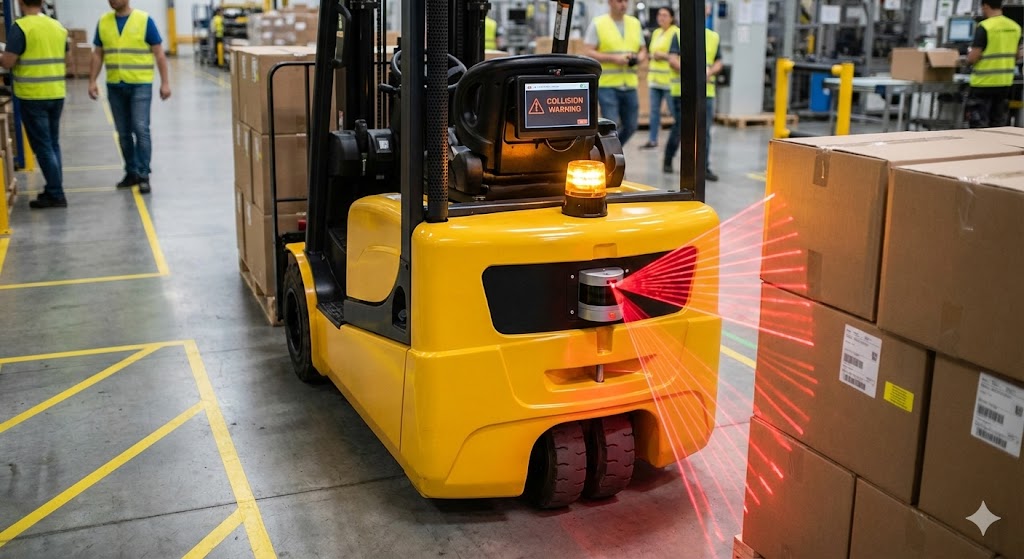
The advantages of using a laser source are significant. The highly collimated beam allows for precise detection of very small objects or edges, enabling applications like precise positioning, wafer alignment in semiconductor manufacturing, or detecting minute defects. The small, focused spot size minimizes background interference and allows for installation in tight spaces. Furthermore, the coherent light can maintain its intensity over longer distances, enabling sensing ranges that are often an order of magnitude greater than standard photoelectric sensors.
Applications for laser photoelectric sensors are vast and critical across numerous industries. In electronics assembly, they are indispensable for verifying the presence of tiny surface-mount components on PCBs. In packaging and material handling, they ensure precise fill-level detection, label registration, and product counting. The automotive industry relies on them for robot guidance, part presence verification, and dimensional quality control. In logistics, they facilitate high-speed barcode reading. Perhaps one of the most demanding applications is in semiconductor fabrication, where nanometer-level precision in wafer positioning and inspection is non-negotiable.
Selecting the appropriate laser photoelectric sensor requires careful consideration of several key parameters. First, the required sensing distance and the size of the target dictate the necessary beam type and spot size. For detecting a thin wire, a fine, focused beam is essential. Second, the environmental conditions are crucial. Factors like ambient light (especially from other lasers), dust, fog, or vibration can affect performance. Sensors with polarized filters or specialized coatings can mitigate some of these issues. Third, the response time and output type (e.g., NPN/PNP, analog, IO-Link) must align with the control system's requirements for high-speed automation. Fourth, safety is paramount. Most industrial laser sensors are classified as Class 1, Class 2, or Class 3R laser products, meaning they are safe under normal operating conditions. However, proper labeling and avoidance of direct eye exposure, especially during maintenance, are mandatory practices. Finally, compliance with international standards for safety (IEC 60825-1) and EMC performance is a critical selection criterion.
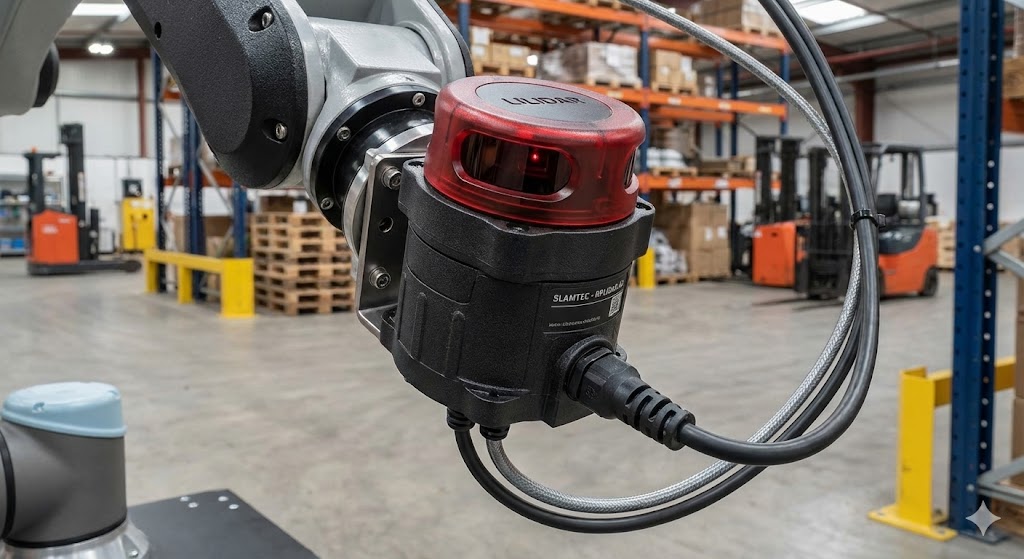
In conclusion, laser photoelectric sensors are a sophisticated and vital tool in modern industrial automation. Their ability to provide precise, reliable, and long-range detection makes them the preferred choice for challenging applications where standard sensors fall short. A thorough understanding of their operating principles, application-specific advantages, and key selection criteria is essential for engineers and system integrators to harness their full potential, thereby enhancing productivity, quality, and operational efficiency on the factory floor.