In the realm of industrial automation and control systems, the reliability and precision of sensing technology are paramount. Among the myriad of components that form the backbone of modern machinery, proximity sensors hold a critical role. The GT205 series of inductive proximity sensors stands out as a robust and versatile solution designed to meet the rigorous demands of diverse industrial environments. This article delves into the technical specifications, operational principles, application scenarios, and key advantages of the GT205 proximity sensor, providing a detailed overview for engineers and technicians.
The GT205 is an inductive-type proximity sensor, engineered to detect the presence or absence of metallic objects without physical contact. Its fundamental operating principle is based on electromagnetic induction. The sensor generates a high-frequency oscillating electromagnetic field from its active face. When a metallic target enters this field, eddy currents are induced on the target's surface. This causes a change in the oscillation amplitude within the sensor's internal LC circuit. The sensor's built-in evaluation circuit detects this change and triggers a switching signal—either normally open (NO) or normally closed (NC)—which is then transmitted to the connected controller, such as a PLC.
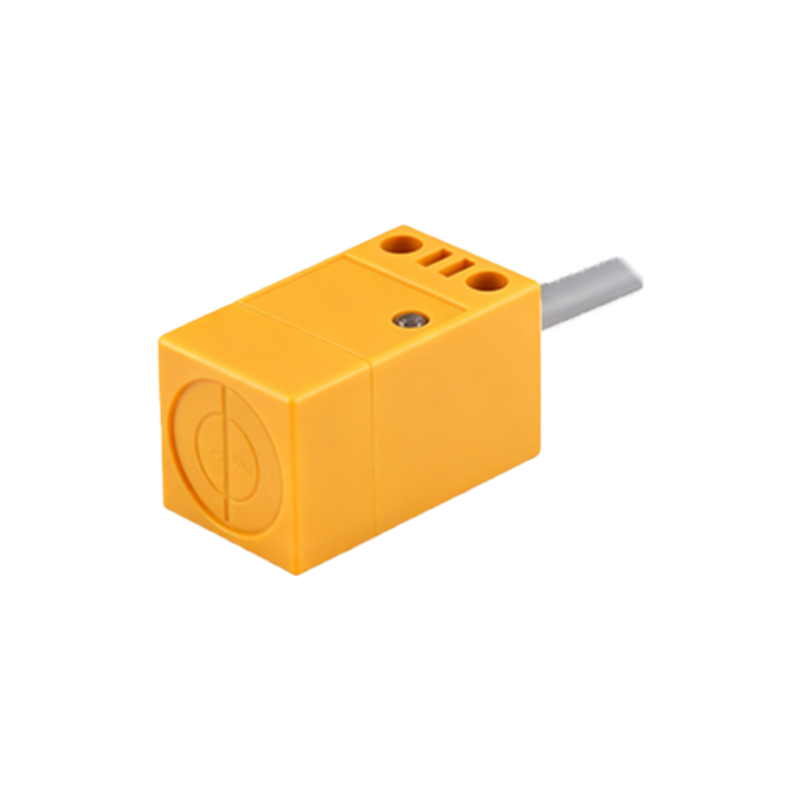
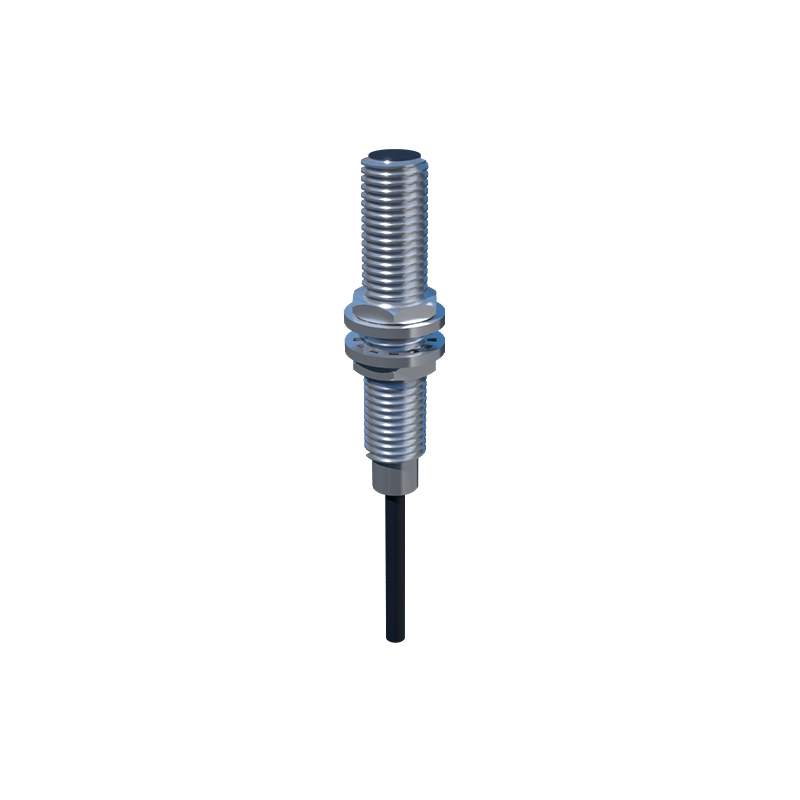
Key technical specifications define the GT205's performance envelope. Typically, it offers a standard sensing range, for instance, up to 5mm for mild steel, though this can vary based on the target material's properties and size. The sensor is characterized by its high switching frequency, allowing for rapid detection in high-speed applications. It boasts a robust housing, often constructed from nickel-plated brass or stainless steel, providing excellent resistance to mechanical stress, oils, and coolants. The GT205 is available in various housing styles (e.g., cylindrical threaded barrels) and output configurations, including DC 3-wire types with PNP (sourcing) or NNP (sinking) transistor outputs, catering to different control voltage requirements (commonly 10-30V DC). A critical feature is its short-circuit and reverse polarity protection, enhancing system durability and safety.
The application spectrum for the GT205 proximity sensor is vast. It is extensively used in material handling systems for position detection of pallets, boxes, or robotic arms. In machine tools, it serves for tool positioning, part presence verification, and end-of-travel limit sensing. Packaging machinery relies on these sensors for counting products, monitoring fill levels, and controlling conveyor sequences. Automotive assembly lines utilize them for precise component positioning and robotic guidance. Its environmental resilience makes it suitable for harsh conditions found in metalworking, wood processing, and food & beverage industries, where exposure to dust, moisture, and temperature variations is common.
Several distinct advantages make the GT205 a preferred choice. First is its non-contact operation, which eliminates mechanical wear and tear, ensuring a long operational life and maintenance-free performance. The absence of physical contact also allows for high-speed detection without impacting the target object. Second is its high repeat accuracy, providing consistent and reliable switching points critical for precision automation. Third, its solid-state design offers immunity to vibration and shock, unlike mechanical limit switches. Fourth, the sensor is largely immune to ambient light, making it more reliable than optical sensors in dirty or foggy environments. Finally, its simple installation and setup, often aided by an LED status indicator for easy diagnostics, reduce commissioning time and complexity.
When selecting and installing a GT205 sensor, several factors must be considered. The target material (steel, aluminum, copper) affects the effective sensing distance; a reduction factor must be applied for non-ferrous metals. The sensor must be mounted correctly, ensuring adequate clearance from surrounding metal to prevent false triggering (flush-mountable or non-flush designs cater to different mounting scenarios). Environmental factors like temperature extremes, chemical exposure, and strong electromagnetic fields should be evaluated against the sensor's IP rating (e.g., IP67) and specifications. Regular maintenance, though minimal, involves keeping the sensing face clean from debris and verifying electrical connections.
In conclusion, the GT205 inductive proximity sensor represents a mature, reliable, and highly adaptable technology essential for modern industrial automation. Its blend of durability, precision, and ease of integration makes it a fundamental component for engineers designing efficient, safe, and productive automated systems. Understanding its capabilities and proper application guidelines is key to leveraging its full potential in optimizing machine performance and ensuring process reliability across countless industrial sectors.