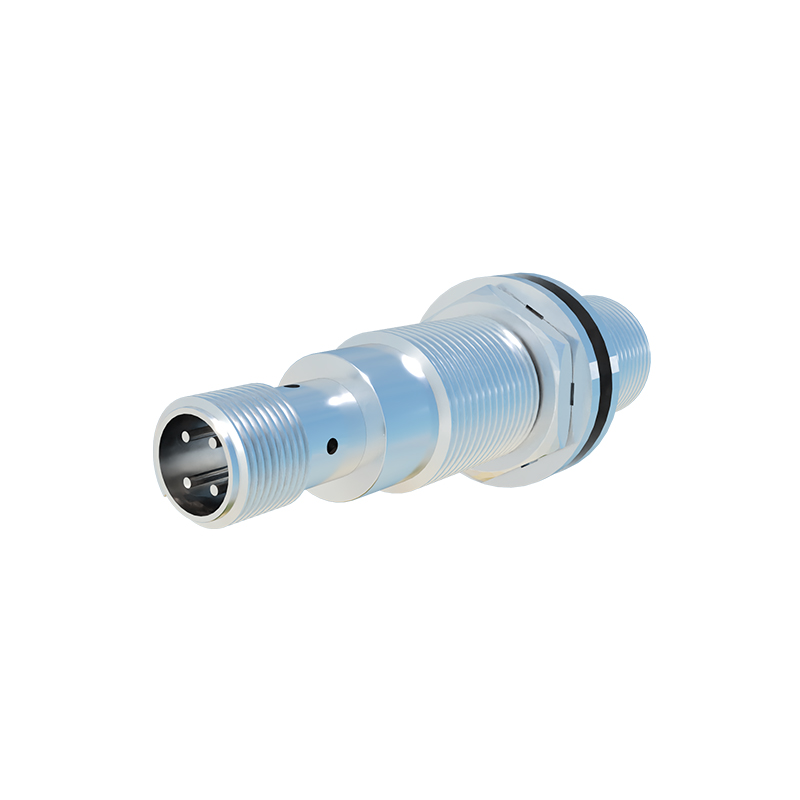
In the rapidly evolving landscape of industrial automation and precision measurement, fiber optic proximity sensor companies are at the forefront of technological advancement. These specialized firms develop and manufacture sensors that utilize light transmitted through optical fibers to detect the presence, absence, or position of objects without physical contact. The core principle relies on modulating light properties—such as intensity, phase, or wavelength—when an object enters the sensing field. This non-contact method offers significant advantages in environments where traditional inductive or capacitive sensors fall short.
The primary driver for the adoption of fiber optic proximity sensors is their exceptional performance in challenging conditions. They are inherently immune to electromagnetic interference (EMI), making them ideal for use near high-voltage equipment, motors, or welding systems. Furthermore, their compact sensing heads can operate in extreme temperatures, corrosive atmospheres, and areas with high vibration levels. This robustness extends their application across diverse sectors, including aerospace, automotive manufacturing, semiconductor fabrication, and medical device assembly. For instance, in automated robotic welding cells, these sensors reliably detect component alignment without being affected by the intense electromagnetic noise generated by the welding arcs.
Leading companies in this niche are continuously pushing the boundaries of sensing technology. Innovation focuses on enhancing sensitivity, increasing response speeds to microsecond levels, and miniaturizing sensor heads for integration into tighter spaces. Smart sensors with integrated digital interfaces and IO-Link communication capabilities are becoming standard, allowing for real-time diagnostics, parameter adjustments, and seamless data integration into Industry 4.0 frameworks. This connectivity enables predictive maintenance, reducing downtime and optimizing production line efficiency.
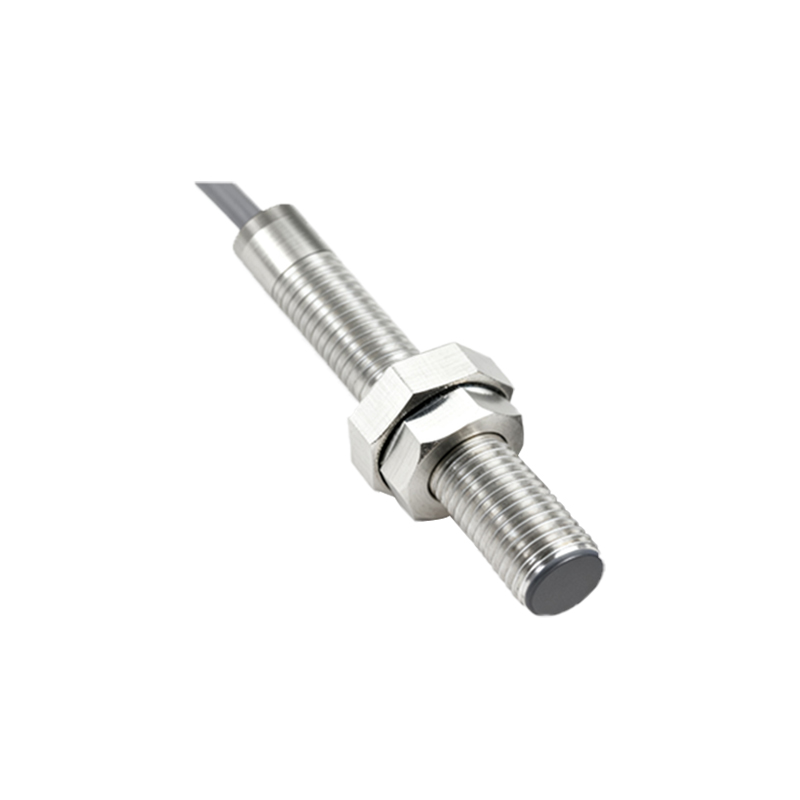
Material science also plays a crucial role. Companies invest in developing specialized fiber coatings and ruggedized cable assemblies to withstand prolonged exposure to oils, chemicals, and mechanical stress. The choice between plastic optical fiber (POF) for cost-effective, short-range applications and glass optical fiber (GOF) for high-precision, long-distance sensing is a key consideration for system designers. Additionally, the emergence of fiber Bragg grating (FBG) technology allows for multiplexing several sensing points along a single fiber, enabling distributed sensing for structural health monitoring in large-scale infrastructure.
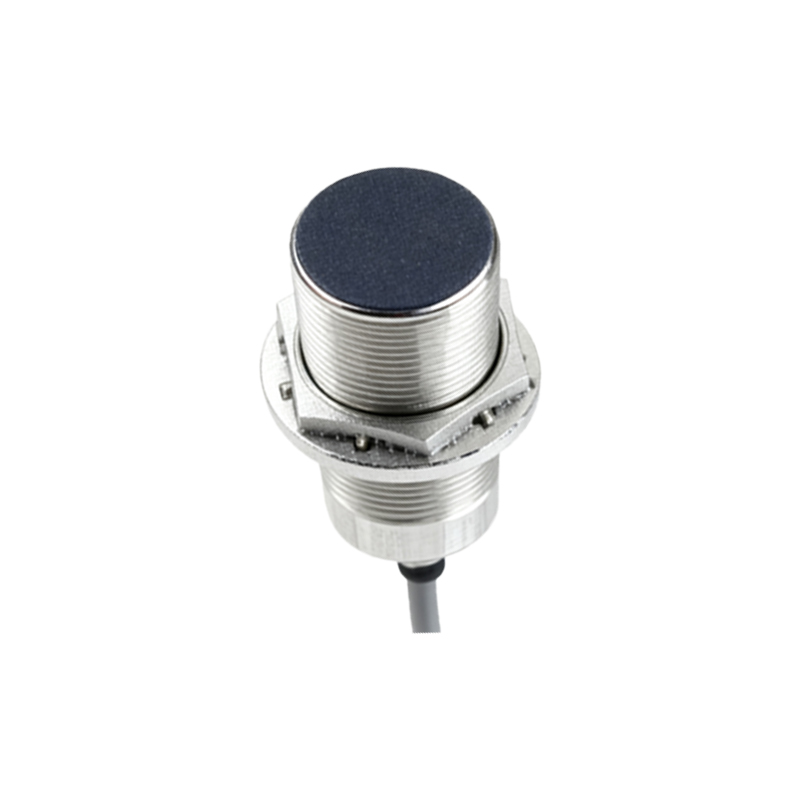
The market for these sophisticated components is highly competitive and global. Success for a fiber optic sensor company hinges not only on technical excellence but also on providing comprehensive application engineering support. Customers often require tailored solutions for unique detection challenges, such as sensing transparent materials,极小 objects, or through barriers. Therefore, top-tier firms maintain strong R&D departments and work closely with clients from the prototyping phase to full-scale implementation.
Looking ahead, the convergence of fiber optic sensing with advancements in artificial intelligence and machine learning presents new frontiers. Sensor data can be analyzed to identify subtle patterns predictive of equipment failure or quality deviations. As industries strive for greater precision, safety, and operational intelligence, the role of specialized fiber optic proximity sensor companies will only become more pivotal. Their technologies form the invisible yet critical sensory network that enables the smart factories and resilient infrastructures of tomorrow, proving that in the world of automation, seeing with light is often the most reliable solution.