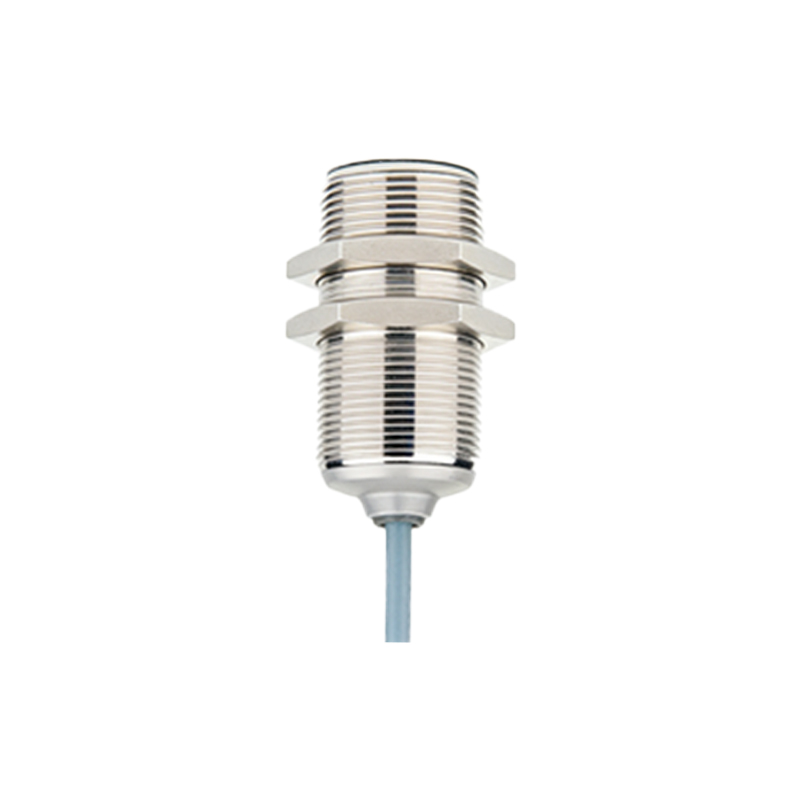
In the realm of industrial automation and control systems, magnetic proximity switch sensors stand as a cornerstone technology for non-contact detection and position sensing. These robust and reliable devices operate on a fundamental principle: they detect the presence or absence of a magnetic field, typically generated by a permanent magnet, known as the target or actuator. Unlike inductive or capacitive sensors, magnetic proximity sensors are uniquely suited for detecting magnetic objects through non-ferrous materials, making them invaluable in specific challenging environments.
The core operational principle hinges on the use of a reed switch or a solid-state Hall effect element. The traditional reed switch type contains two ferromagnetic reeds sealed within a glass tube filled with an inert gas. When an external magnetic field of sufficient strength approaches, the reeds magnetize, attract each other, and make contact, closing the electrical circuit. When the magnet moves away, the reeds demagnetize and spring apart, breaking the circuit. This simple, contact-based mechanism offers excellent isolation but has limitations in switching speed and mechanical life.
Modern magnetic proximity sensors predominantly utilize Hall effect technology. A Hall effect IC generates a voltage proportional to the strength of an applied magnetic field perpendicular to it. This voltage is processed by internal circuitry to provide a clean, digital output signal (e.g., PNP or NPN). Solid-state Hall effect sensors offer significant advantages, including extremely fast response times, virtually unlimited operational life (as there are no moving parts to wear out), high switching frequency, and resistance to vibration and shock. They can also provide analog output proportional to the magnetic field strength for more nuanced sensing applications.
The defining characteristic of magnetic proximity sensors is their ability to sense through non-magnetic barriers. This allows for hermetically sealed designs where the sensing element is completely isolated from the environment. Consequently, these sensors excel in applications involving dirt, dust, moisture, oils, and other contaminants. Common industry applications are extensive. They are widely used for cylinder position sensing in pneumatic and hydraulic systems, where a magnet embedded in the piston is detected through the aluminum or stainless-steel cylinder body. In automotive systems, they function as gear tooth sensors for anti-lock braking systems (ABS) and crankshaft/camshaft position sensing. Other uses include door and lid position detection in appliances and machinery, liquid level sensing with magnetic floats, and as end-of-travel limit switches in harsh factory conditions.
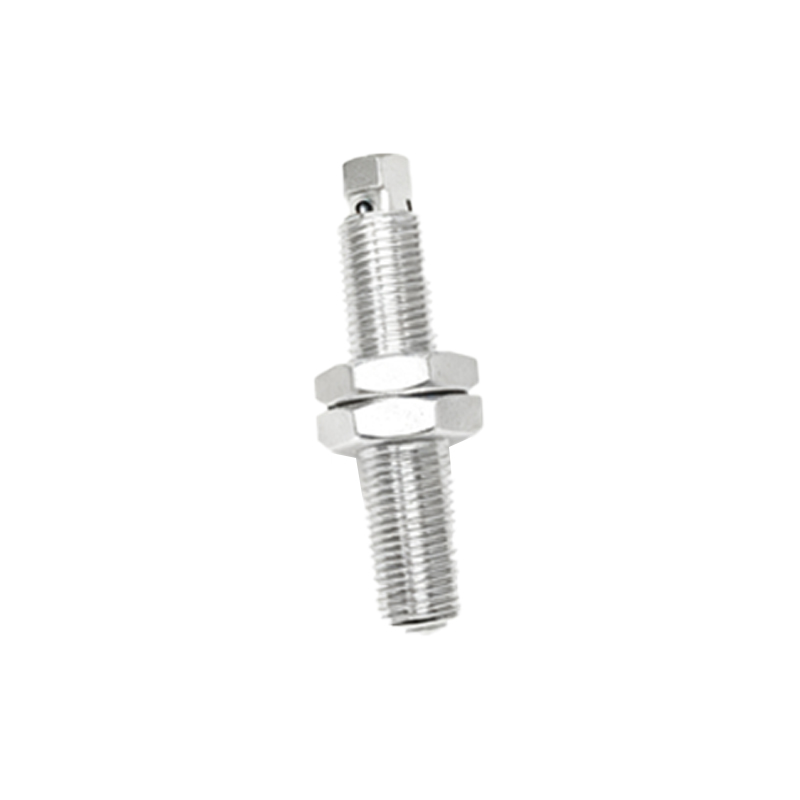
Selecting the appropriate magnetic proximity sensor requires careful consideration of several key parameters. First, the sensing distance (switching distance) must be specified, which is typically shorter than that of inductive sensors and is highly dependent on the strength of the target magnet. The type of output is critical: two-wire AC/DC, three-wire PNP (sourcing) or NPN (sinking) DC, or analog voltage/current. Electrical specifications such as operating voltage, current load, and switching frequency must match the control system. The housing material (often stainless steel, brass, or PBT plastic) and protection rating (e.g., IP67, IP69K) must withstand the environmental conditions, including temperature extremes, chemical exposure, and pressure washdowns. For cylinder sensors, the mechanical mounting style (e.g., slot-in, threaded, or bracket-mounted) and compatibility with cylinder profiles are paramount.
Installation and alignment are generally straightforward but crucial. The sensor must be positioned within its specified sensing range relative to the path of the target magnet. Misalignment can reduce the effective sensing distance or cause failure to detect. Shielding from stray magnetic fields from motors or other equipment is sometimes necessary to prevent false triggering. For long-term reliability, it is advisable to choose sensors with built-in protection against reverse polarity, short-circuit, and overload conditions.
In summary, magnetic proximity switch sensors offer a unique and often indispensable solution for non-contact sensing where environmental sealing, media compatibility, and detection through walls are required. The evolution from reed switches to solid-state Hall effect technology has dramatically enhanced their performance, durability, and application scope. By understanding their operating principles, key advantages, and selection criteria, engineers and technicians can effectively integrate these versatile components to create more robust, reliable, and efficient automated systems across countless industries, from packaging and material handling to automotive manufacturing and beyond.