Metal proximity switch sensors are indispensable components in today's industrial automation landscape. These non-contact sensors detect the presence or absence of metallic objects without physical interaction, offering reliability and efficiency in various applications. Their working principle is primarily based on electromagnetic fields or eddy current generation. When a metallic target enters the sensor's detection range, it disrupts the electromagnetic field, triggering a switch signal. This mechanism ensures minimal wear and tear, leading to extended operational lifespans compared to mechanical switches.
One of the most prominent applications of metal proximity sensors is in manufacturing assembly lines. They are used for precise object detection, positioning control, and counting tasks. For instance, in automotive production, these sensors monitor the passage of engine components on conveyor belts, ensuring correct sequencing and preventing jams. Similarly, in packaging machinery, they verify the presence of metal lids or caps, maintaining quality control. The sensors' rapid response time—often in milliseconds—enables high-speed operations, boosting productivity.
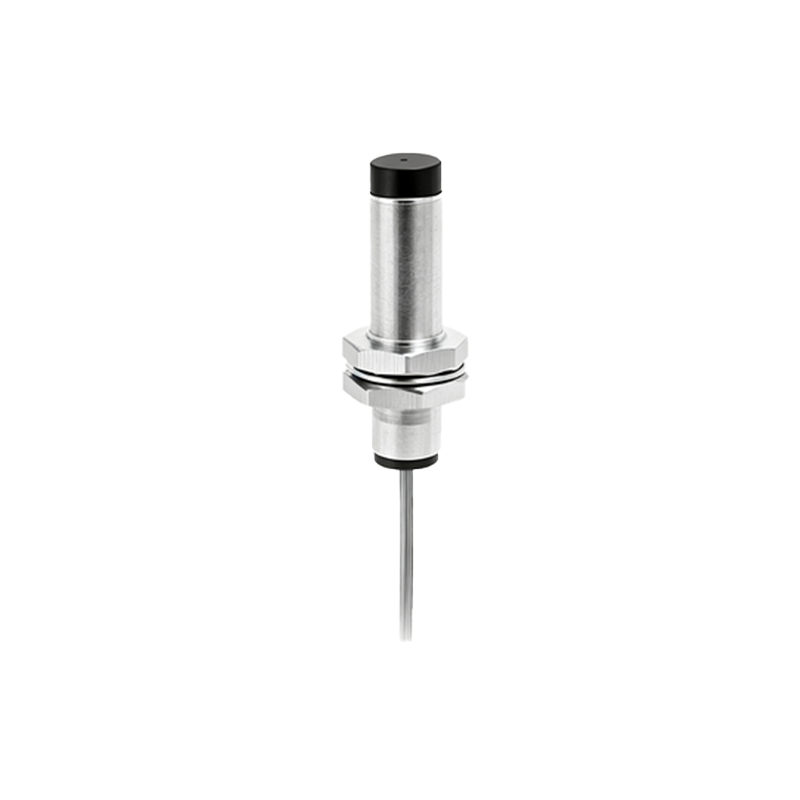
In material handling systems, metal proximity switches enhance safety and automation. They are integrated into robotic arms and automated guided vehicles (AGVs) to detect pallets or metallic obstacles, preventing collisions. Moreover, in metalworking industries like CNC machining, sensors provide accurate tool positioning and workpiece detection, reducing errors and downtime. Their robustness allows them to withstand harsh environments, including exposure to coolants, dust, and vibrations.
Another critical application is in security and access control. Metal detectors in airports and secure facilities often incorporate proximity sensors to identify concealed metallic items. In industrial settings, they safeguard machinery by monitoring guard door positions; if a door is open during operation, the sensor halts the equipment to prevent accidents. This fail-safe functionality underscores their role in occupational safety.
The advantages of metal proximity sensors are multifaceted. First, their non-contact nature eliminates mechanical stress, ensuring longevity and low maintenance. They are resistant to environmental factors such as moisture, oil, and temperature fluctuations, making them suitable for outdoor or challenging conditions. Additionally, modern sensors offer adjustable sensing ranges and various output types (e.g., NPN, PNP, or analog signals), providing flexibility for diverse electrical systems. Energy efficiency is another benefit, as many models consume minimal power while delivering consistent performance.
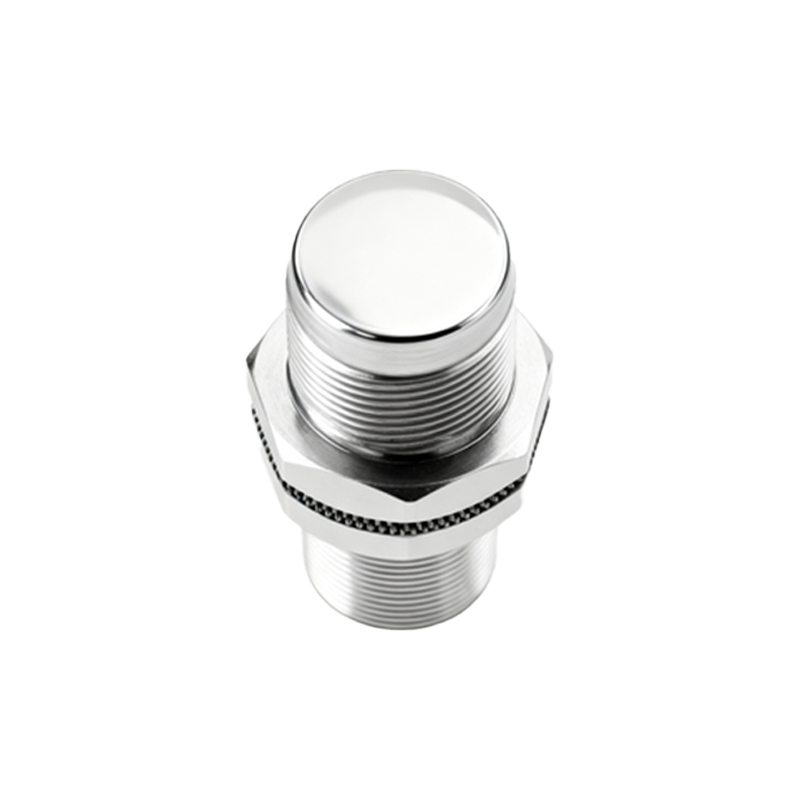
Technological advancements have further expanded their capabilities. For example, inductive proximity sensors with embedded microprocessors can differentiate between ferrous and non-ferrous metals, allowing for selective detection. This is valuable in recycling plants where sorting metals is essential. Wireless and IoT-enabled sensors are also emerging, enabling remote monitoring and data integration into industrial networks for predictive maintenance.
Despite their strengths, selecting the right sensor requires consideration of factors like target material, size, and environmental conditions. For optimal performance, engineers must match the sensor's specifications—such as sensing distance, frequency, and housing material—to the application. Regular calibration and shielding from electromagnetic interference are recommended to maintain accuracy.
In conclusion, metal proximity switch sensors are vital tools driving industrial automation forward. Their versatility, durability, and precision support a wide range of applications, from manufacturing to safety systems. As industries evolve toward smarter operations, these sensors will continue to play a key role in enhancing efficiency and reliability. By leveraging their benefits, businesses can achieve higher throughput, reduced costs, and improved workplace safety, solidifying their importance in the electrical and engineering sectors.