In the intricate symphony of modern industrial automation, where precision, speed, and reliability are non-negotiable, one component often performs its critical role with quiet, unassuming consistency: the proximity sensor. Far from being a simple on/off switch, the proximity sensor is a cornerstone of intelligent machine operation, delivering value that permeates every layer of a production system, from basic safety to advanced data analytics.
The core value proposition of a proximity sensor lies in its fundamental ability to detect the presence or absence of an object without physical contact. This non-contact operation is the genesis of its most significant benefits. First and foremost, it eliminates mechanical wear and tear. Unlike limit switches that rely on physical levers and actuators, proximity sensors have no moving parts to degrade, resulting in dramatically extended service life and reduced maintenance costs. This inherent durability translates into exceptional reliability, minimizing unplanned downtime—the single greatest cost driver in any automated facility. A machine that doesn't stop is a machine that maximizes productivity and profitability.
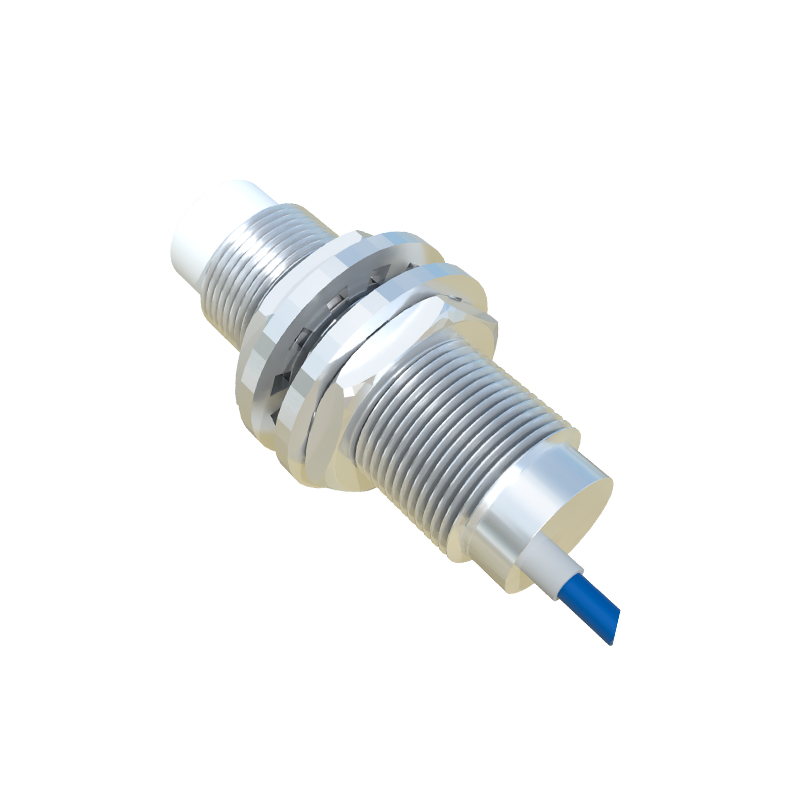
Beyond reliability, proximity sensors are enablers of precision at high speeds. Capable of detecting objects in milliseconds and with repeatability down to micrometers, they facilitate operations that would be impossible with mechanical means. In high-speed packaging lines, for instance, sensors accurately count products, verify cap placement on bottles, or ensure labels are applied correctly. In robotic assembly, they provide precise positioning feedback, guiding arms to pick and place components with sub-millimeter accuracy. This precision ensures consistent product quality, reduces waste from errors, and allows for the execution of complex, delicate tasks.
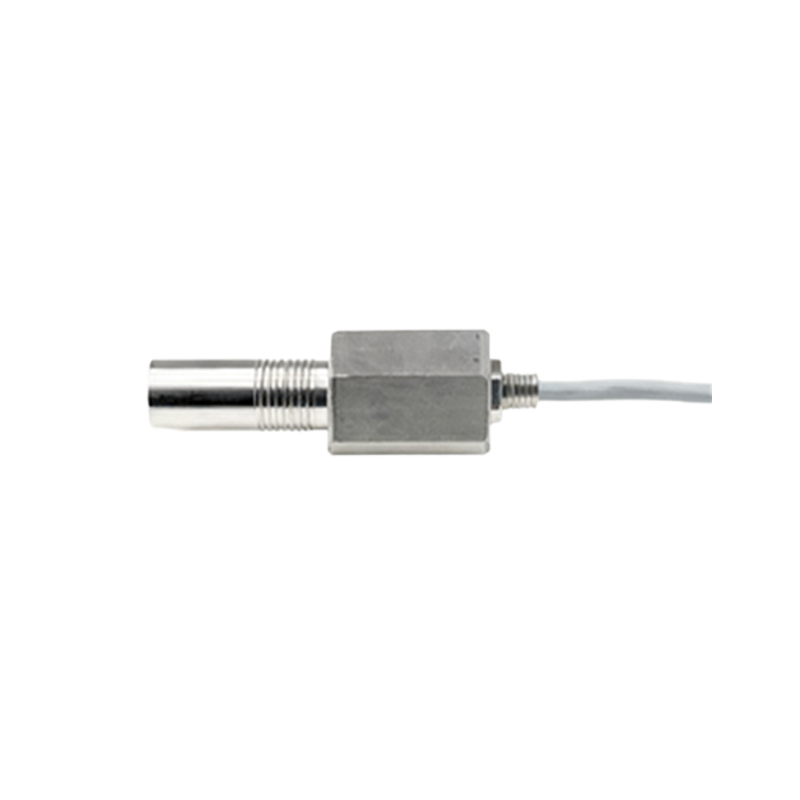
The evolution from simple detection to intelligent sensing represents another immense value layer. Modern inductive, capacitive, and magnetic proximity sensors offer more than just a binary signal. Advanced models provide analog outputs or IO-Link communication, transmitting not just "object detected" but detailed data such as measured distance, temperature, or switch cycle count. This data transforms the sensor from a passive component into an active participant in condition monitoring and predictive maintenance strategies. By analyzing trends in sensing distance or operational parameters, engineers can predict component failure long before it occurs, scheduling maintenance during planned stops and avoiding catastrophic line halts.
Furthermore, the value of proximity sensors is intrinsically linked to safety. They form the backbone of many safety interlock systems. By reliably confirming that a guard door is closed, a safety area is clear, or a robot is in its home position, they create the essential "permission" signals that allow dangerous machinery to operate. Their fail-safe designs and compliance with international safety standards (like IEC 60947-5-2) help protect personnel, reduce the risk of accidents, and ensure regulatory compliance, which is invaluable from both an ethical and a financial liability perspective.
From an economic standpoint, the return on investment for high-quality proximity sensors is compelling. While the initial unit cost may be higher than a basic mechanical switch, the total cost of ownership is invariably lower. Factors such as reduced downtime, lower maintenance labor and parts costs, less material waste, and enhanced production throughput contribute to a rapid payback period. They are not merely an expense but a strategic investment in operational resilience and efficiency.
In conclusion, the true value of a proximity sensor transcends its modest size and price tag. It is a multifunctional device that guarantees reliability, enables precision, generates actionable data, safeguards personnel, and drives economic efficiency. As Industry 4.0 and the Industrial Internet of Things (IIoT) continue to evolve, the intelligent proximity sensor will become even more central, serving as a critical data node in interconnected, self-optimizing smart factories. To overlook its strategic importance is to overlook a fundamental driver of modern manufacturing competitiveness. Their silent, continuous operation is, in reality, a powerful declaration of control and intelligence on the factory floor.