In the realm of automation and smart device interaction, a silent yet crucial component often goes unnoticed: the optical proximity sensor. This sophisticated device operates on a simple yet effective principle, enabling machines to "see" and react to the presence or absence of objects without any physical contact. At its core, an optical proximity sensor consists of two main elements: a light emitter, typically an infrared Light Emitting Diode (LED), and a light detector, such as a phototransistor or photodiode. The emitter projects an invisible beam of infrared light. When an object enters the sensor's detection field, it reflects a portion of this light back towards the detector. The sensor's internal circuitry then analyzes the intensity of the reflected light. A significant change in this intensity signals the presence of an object within a predefined range. This fundamental mechanism allows for reliable, non-contact detection.
The advantages of using optical proximity sensors are manifold. Their non-contact nature means there is no wear and tear from mechanical interaction, leading to exceptional longevity and reliability. They can detect a wide variety of materials, including glass, plastic, metal, and liquids, provided the object reflects enough infrared light. Furthermore, they offer fast response times, making them ideal for high-speed automation processes. Compared to ultrasonic sensors, they are less susceptible to environmental factors like air turbulence or temperature gradients. However, they are not without limitations. Their performance can be affected by the color and reflectivity of the target object; dark, matte, or highly absorbent surfaces may reflect insufficient light, reducing the effective sensing range. Ambient light, especially strong infrared sources like sunlight or incandescent bulbs, can also interfere with operation, though modern sensors incorporate modulation techniques to filter out such noise.
The applications of optical proximity sensors are vast and span numerous industries. In consumer electronics, they are the unseen heroes that disable touchscreen functionality when a phone is held to the ear during a call, preventing accidental inputs. In automotive systems, they are used for functions like automatic door activation, occupancy detection, and gesture control for infotainment systems. Industrial automation heavily relies on them for object counting on conveyor belts, jam detection in machinery, and precise positioning of robotic arms. They also play a vital role in safety systems, forming light curtains that instantly halt dangerous equipment when a beam is broken.
Selecting the right optical proximity sensor for a specific application requires careful consideration of several key parameters. The sensing range is paramount; it defines the maximum distance at which the sensor can reliably detect a standard object. The type of output—digital (on/off) or analog (proportional to distance)—must match the control system's requirements. The response time dictates how quickly the sensor can signal a detection event. Environmental robustness is critical for industrial settings; factors like ingress protection (IP) rating for dust and water resistance, operating temperature range, and resistance to vibration must be evaluated. Finally, the physical form factor and mounting style must be compatible with the mechanical design of the application.
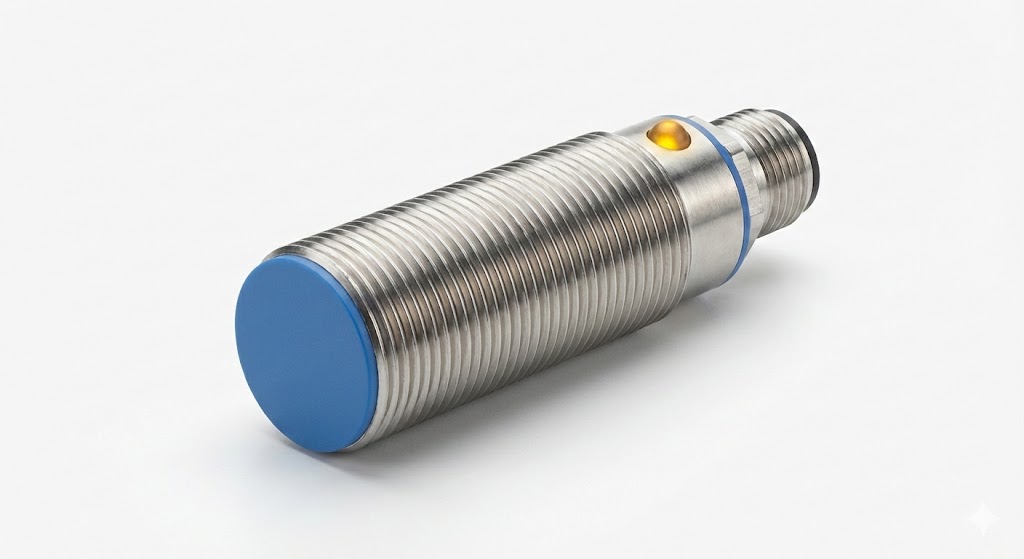
Recent advancements continue to push the boundaries of this technology. Miniaturization allows sensors to be integrated into ever-smaller wearable devices and medical instruments. The development of background suppression sensors, which can detect an object while ignoring a more distant background, solves challenging applications. Furthermore, the integration of time-of-flight (ToF) principles into optical sensors enables them to provide precise distance measurements, not just presence detection, opening doors to advanced applications in robotics, logistics, and augmented reality.
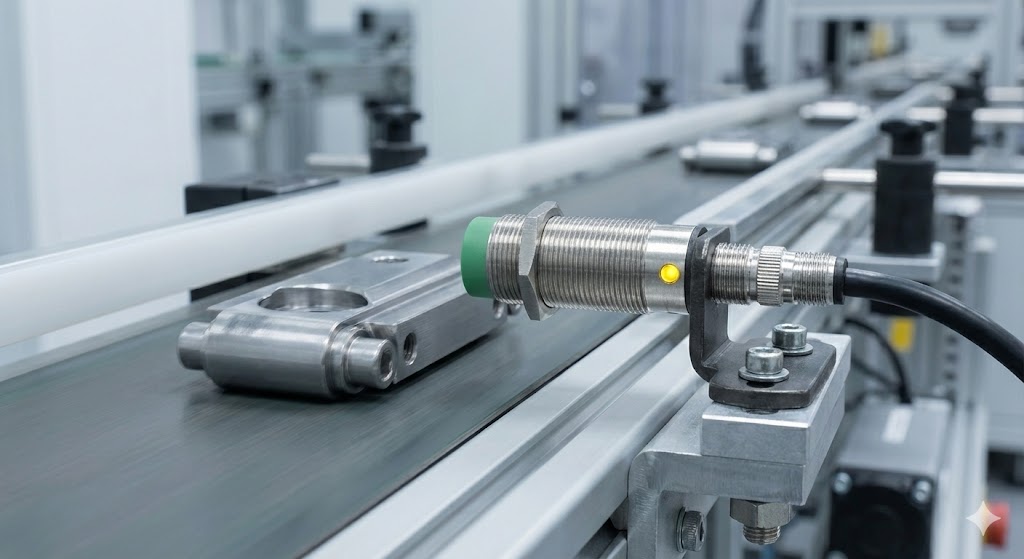
In conclusion, optical proximity sensors are indispensable components in modern technology. Their ability to provide clean, reliable, and fast non-contact detection makes them a cornerstone of efficiency, safety, and user convenience across countless applications. From the smartphone in your pocket to the most complex automated production line, these sensors work tirelessly to bridge the gap between the physical world and digital control, enabling smarter and more responsive systems.