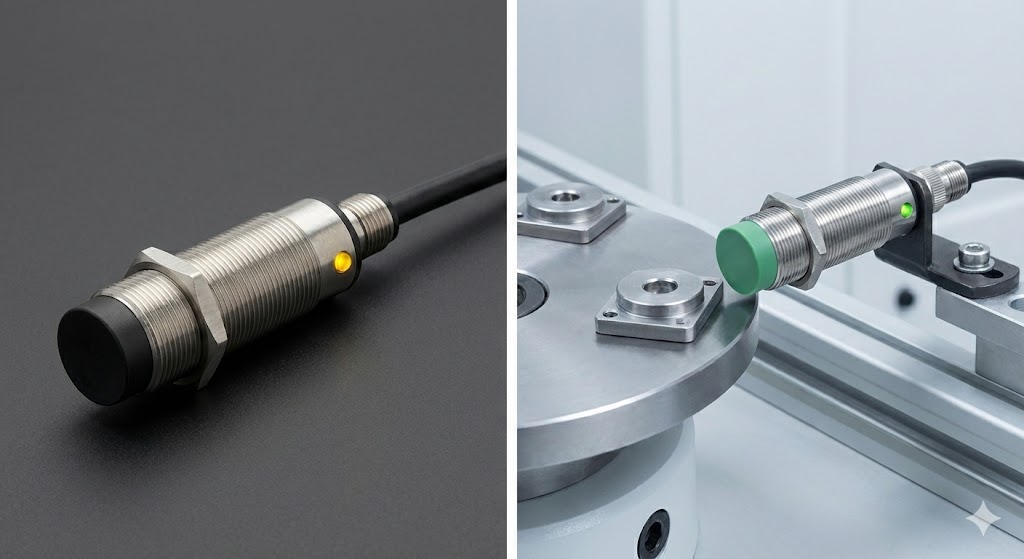
In the seamless dance between humans and technology, few components work as quietly yet indispensably as the proximity sensor. This unassuming piece of hardware, often no larger than a pinhead, has become a fundamental building block of modern electronics, enabling intuitive, efficient, and energy-saving interactions. At its core, a proximity sensor is a device that detects the presence or absence of a nearby object without any physical contact. It achieves this by emitting an electromagnetic field or a beam of radiation, such as infrared light, and then looking for changes in the field or return signal. The object being detected is often referred to as the sensor's target.
The principle of operation varies, leading to several common types. Infrared (IR) sensors, perhaps the most familiar, work by emitting an infrared beam. When an object comes close, it reflects the beam back to a receiver in the sensor. This technology is ubiquitous in smartphones, where it detects when a phone is held to the ear during a call, turning off the display to save power and prevent accidental touches. Ultrasonic sensors emit high-frequency sound waves and measure the time it takes for the echo to return, calculating distance based on the speed of sound. They are prized for their reliability and are commonly used in automotive parking assist systems and industrial automation for precise distance measurement. Capacitive sensors detect changes in capacitance, the ability to store an electrical charge. When a conductive object, like a human hand, enters the sensor's electrostatic field, it alters the capacitance, triggering detection. This technology is behind the touchless faucets and soap dispensers found in public restrooms, promoting hygiene. Inductive sensors, on the other hand, are designed to detect metallic objects by generating an oscillating electromagnetic field. They are workhorses in manufacturing and robotics, used for tasks like counting metal parts on a conveyor belt or ensuring a robotic arm is in the correct position.
The applications of proximity sensing are vast and deeply integrated into daily life. Beyond smartphones and touchless fixtures, they are critical in automotive safety. Modern vehicles are equipped with an array of proximity sensors for blind-spot monitoring, automatic emergency braking, and adaptive cruise control, creating a safety net around the car. In retail and public spaces, automatic doors rely on sensors to open smoothly as people approach. In the home, robot vacuum cleaners use them to navigate around furniture and avoid tumbling down stairs. Industrial settings leverage their precision for machine automation, object positioning, and safety interlocks that prevent machinery from operating when a worker is too close.
The benefits are multifaceted. The most direct is convenience; interactions become effortless and intuitive. Energy efficiency is another major advantage. By detecting when a device is not in active use—like a phone screen turning off or a smart thermostat adjusting when no one is home—proximity sensors contribute significantly to power conservation. Safety is profoundly enhanced, both in consumer products and heavy industry, by preventing collisions and unauthorized access to dangerous zones. Furthermore, they enable the miniaturization and sophistication of devices, allowing for sleek designs without external buttons.
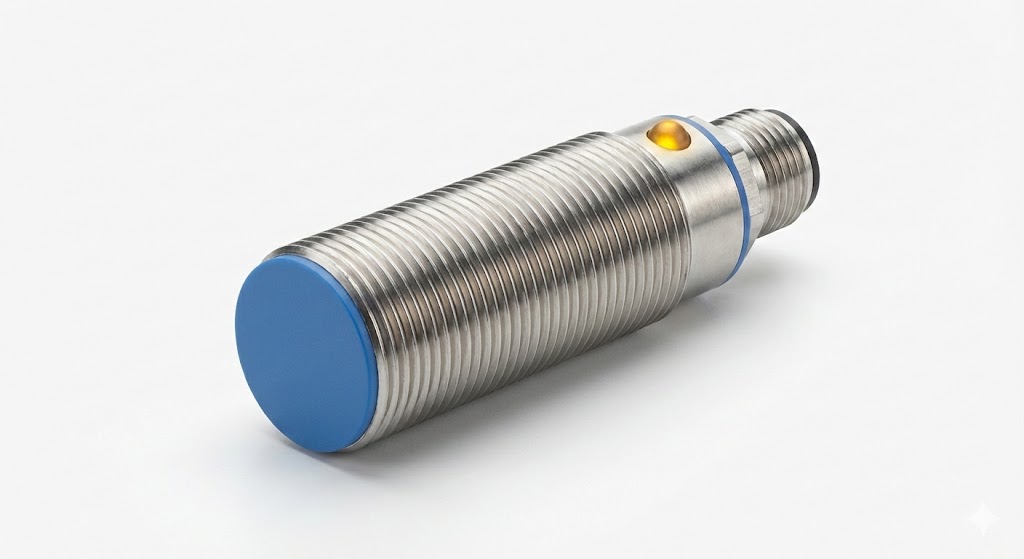
Looking ahead, the evolution of proximity sensing is intertwined with the growth of the Internet of Things (IoT) and smart environments. Future sensors will likely be smaller, more power-efficient, and capable of more sophisticated detection—distinguishing not just the presence of an object, but its shape, material, or even specific gestures. They will form the sensory layer of smart homes, responsive offices, and intelligent cities, making our environments more adaptive and context-aware. As this invisible technology continues to advance, it will further blur the line between the physical world and the digital systems that serve us, making our interactions with technology feel less like using a tool and more like a natural extension of our intent.