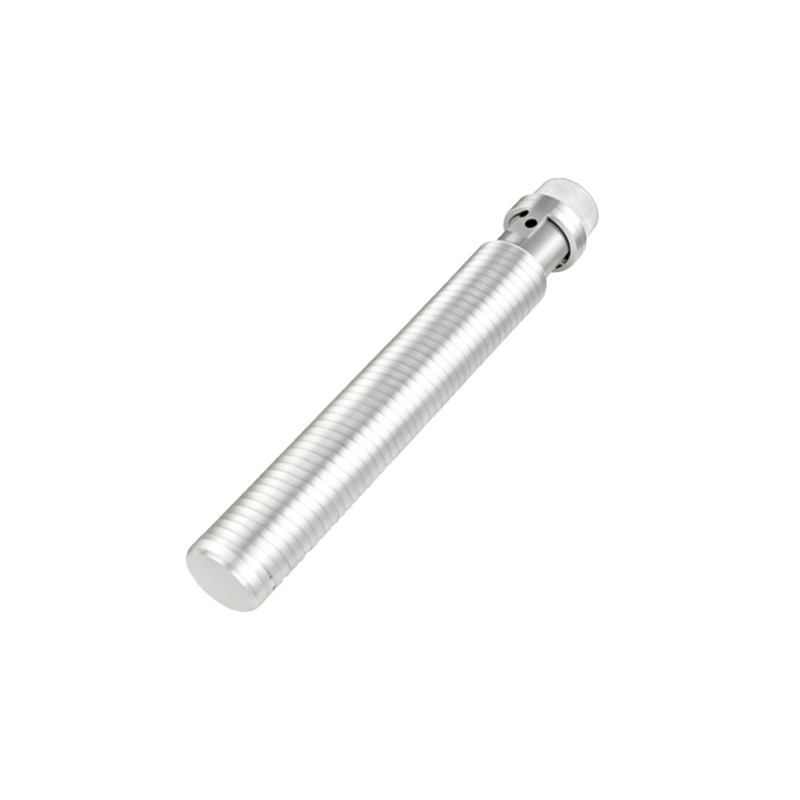
Temperature probe proximity sensors represent a critical advancement in industrial measurement technology, enabling precise non-contact temperature monitoring across diverse applications. These sophisticated devices integrate infrared sensing principles with proximity detection capabilities to deliver accurate thermal data without physical interaction with target objects. In modern manufacturing environments, temperature probe proximity sensors facilitate real-time thermal profiling of moving components, molten materials, and high-speed processes where traditional contact methods prove impractical.
The operational foundation of these sensors relies on detecting infrared radiation emitted by objects within their detection range. Advanced models incorporate laser targeting systems to precisely define measurement areas, while integrated algorithms compensate for environmental variables including ambient temperature fluctuations, atmospheric absorption, and surface emissivity variations. Industrial-grade sensors typically achieve measurement accuracies within ±1°C across calibrated ranges extending from -40°C to 3000°C, with specialized variants designed for extreme thermal environments.
Key technological components include thermopile detectors that convert thermal radiation into electrical signals, signal conditioning circuits that amplify and filter raw data, and microprocessors that execute complex temperature calculations. Modern iterations feature digital communication interfaces such as IO-Link, Modbus, and PROFIBUS, enabling seamless integration with industrial control systems and Industry 4.0 architectures. These connectivity options support remote configuration, continuous diagnostics, and predictive maintenance capabilities that minimize operational downtime.
Application scenarios demonstrate the versatility of temperature probe proximity sensors across industrial sectors. In metal processing facilities, they monitor casting temperatures and detect hot spots in rolling mills. Food production lines utilize them for verifying cooking temperatures and freezer compliance without contaminating products. Pharmaceutical manufacturers employ sterilized variants for autoclave monitoring, while power generation plants implement high-temperature models for boiler and turbine supervision. The automotive industry particularly benefits during welding processes, paint drying cycles, and engine testing phases where precise thermal control determines product quality.
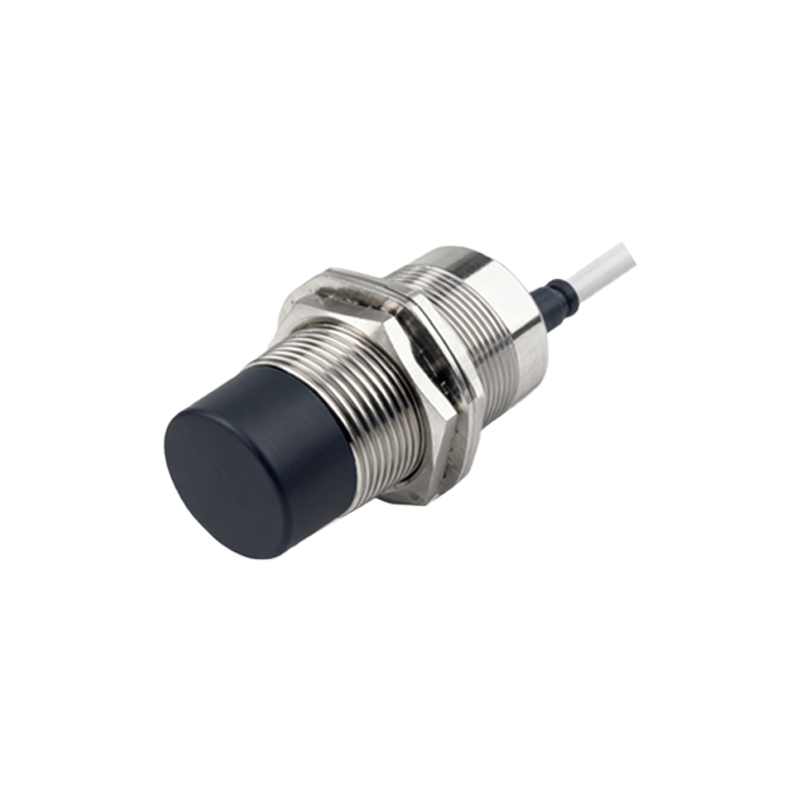
Installation considerations emphasize proper sensor positioning relative to target surfaces, accounting for distance-to-spot ratios that define measurement areas. Environmental protection ratings reaching IP67 and IP69K ensure reliable operation despite dust, moisture, and chemical exposures. Regular calibration against reference standards maintains measurement integrity, with many contemporary sensors offering automatic calibration routines through embedded reference sources.
Future developments focus on enhancing spectral selectivity through multi-wavelength pyrometry, improving response times to sub-millisecond levels, and incorporating artificial intelligence for anomaly detection. Miniaturization trends enable integration into increasingly compact machinery, while wireless versions eliminate cabling constraints in rotating equipment. These innovations continue expanding the applicability of temperature probe proximity sensors toward emerging fields including additive manufacturing, renewable energy systems, and smart infrastructure monitoring.
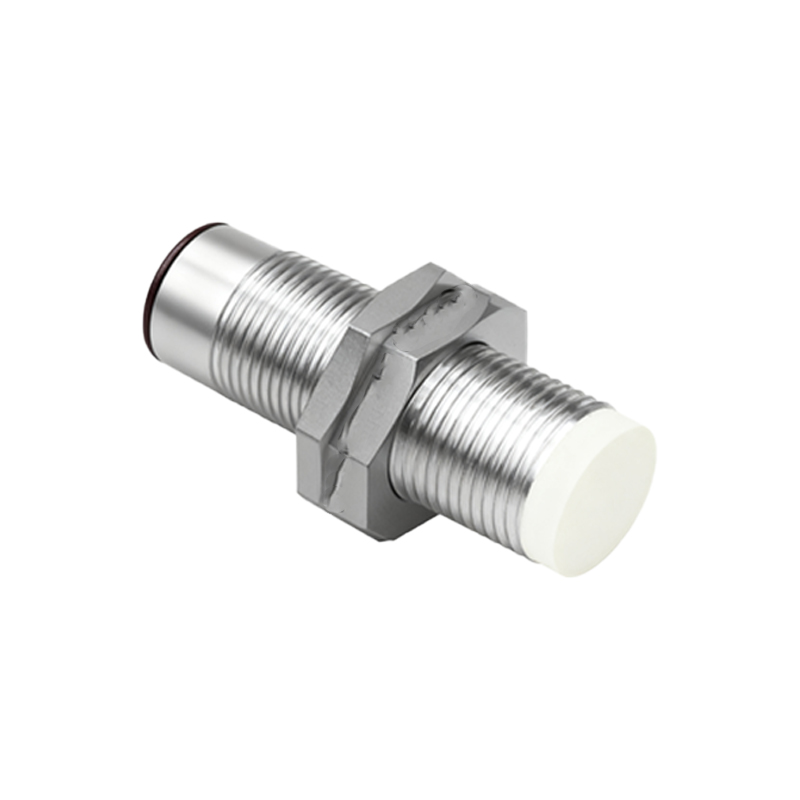
Ultimately, the strategic implementation of temperature probe proximity sensors contributes significantly to industrial efficiency by preventing equipment failures, optimizing energy consumption, ensuring product consistency, and enhancing workplace safety. Their evolving capabilities position them as indispensable tools for precision temperature management in increasingly automated and data-driven industrial landscapes.