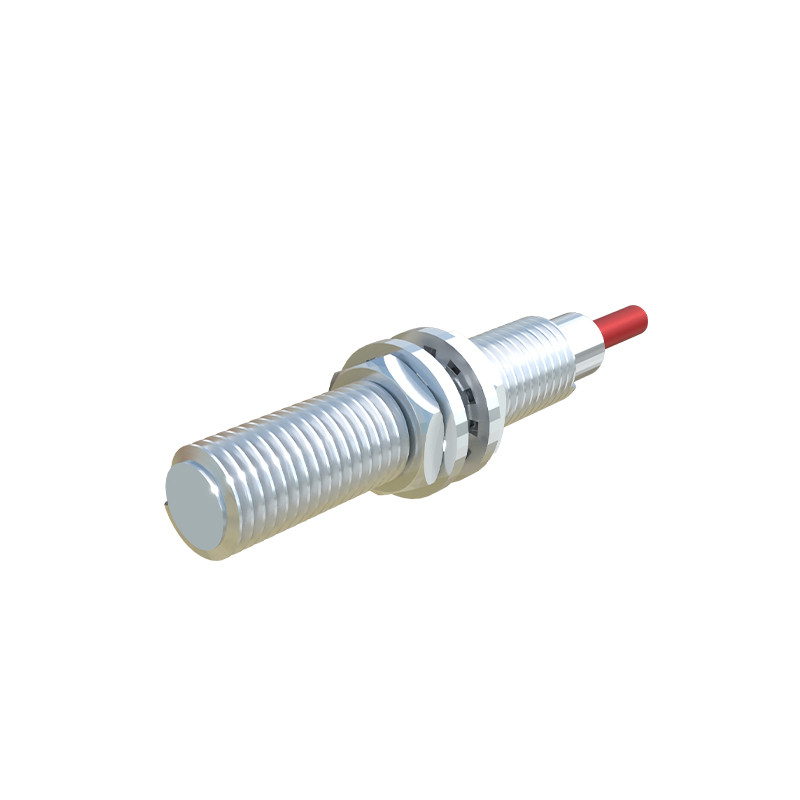
High-precision proximity sensors represent a critical advancement in industrial automation, offering unparalleled accuracy, reliability, and versatility in detecting the presence or absence of objects without physical contact. These sensors operate on various principles, including inductive, capacitive, ultrasonic, and optical technologies, each tailored to specific environmental and material conditions. One of the standout features is their exceptional resolution and repeatability, enabling detection of minute positional changes—often down to micrometer levels—which is essential in precision manufacturing, robotics, and quality control systems. For instance, in automotive assembly lines, inductive proximity sensors ensure exact component placement, while capacitive variants detect non-metallic materials like plastics or liquids in packaging applications.
Durability under harsh conditions is another hallmark. Designed with robust housings (typically stainless steel or PBT plastic), these sensors withstand extreme temperatures, vibrations, moisture, and electromagnetic interference. Many models feature IP67 or higher ingress protection ratings, making them suitable for washdown environments in food processing or outdoor use in mining equipment. Additionally, advanced models incorporate self-diagnostic functions and IO-Link communication, providing real-time data on sensor health and performance metrics, thereby reducing downtime through predictive maintenance.
The integration of smart technologies has further enhanced their functionality. High-precision sensors now often include programmable logic, allowing customization of sensing ranges and output signals (e.g., analog, digital, or PWM) to match specific machinery requirements. In semiconductor fabrication, for example, optical proximity sensors with laser-based triangulation achieve sub-micron accuracy for wafer alignment, minimizing production errors. Energy efficiency is also a key focus, with low-power designs extending operational life in battery-driven applications like mobile robotics.
From a practical standpoint, these sensors contribute significantly to Industry 4.0 initiatives. By enabling seamless connectivity via Ethernet/IP or PROFINET, they facilitate data exchange within IoT networks, supporting adaptive manufacturing processes. Case studies in aerospace demonstrate their role in monitoring turbine blade clearances, where thermal expansion tolerances demand nanoscale precision. As industries evolve toward greater automation, the demand for high-precision proximity sensors continues to grow, driven by needs for safety, efficiency, and cost reduction. Future trends may involve AI-enhanced calibration and miniaturization for micro-assembly tasks, solidifying their position as indispensable tools in modern engineering.