In the realm of industrial automation and control systems, gear sensors and proximity switches stand as pivotal components, ensuring precision, reliability, and efficiency in machinery operations. These devices, though often overlooked, play a critical role in monitoring rotational speed, position detection, and safety mechanisms across various sectors, including automotive manufacturing, robotics, and heavy machinery. This article delves into their functionalities, types, applications, and key considerations for selection and maintenance.
Gear sensors, commonly referred to as gear tooth sensors or speed sensors, are designed to detect the rotation of gears by measuring changes in magnetic fields or inductive signals. Typically, they consist of a sensing element, such as a Hall-effect sensor or a variable reluctance sensor, positioned near a rotating gear. As gear teeth pass by the sensor, they alter the magnetic flux, generating electrical pulses that correspond to the gear's speed and position. This data is crucial for applications like engine timing in vehicles, where accurate speed measurement ensures optimal performance and fuel efficiency. In industrial settings, gear sensors are integral to conveyor systems, enabling synchronized movement and preventing jams by monitoring gear rotation rates. Advanced models offer features like high-temperature resistance and robust housing to withstand harsh environments, making them suitable for use in mining equipment or aerospace systems.
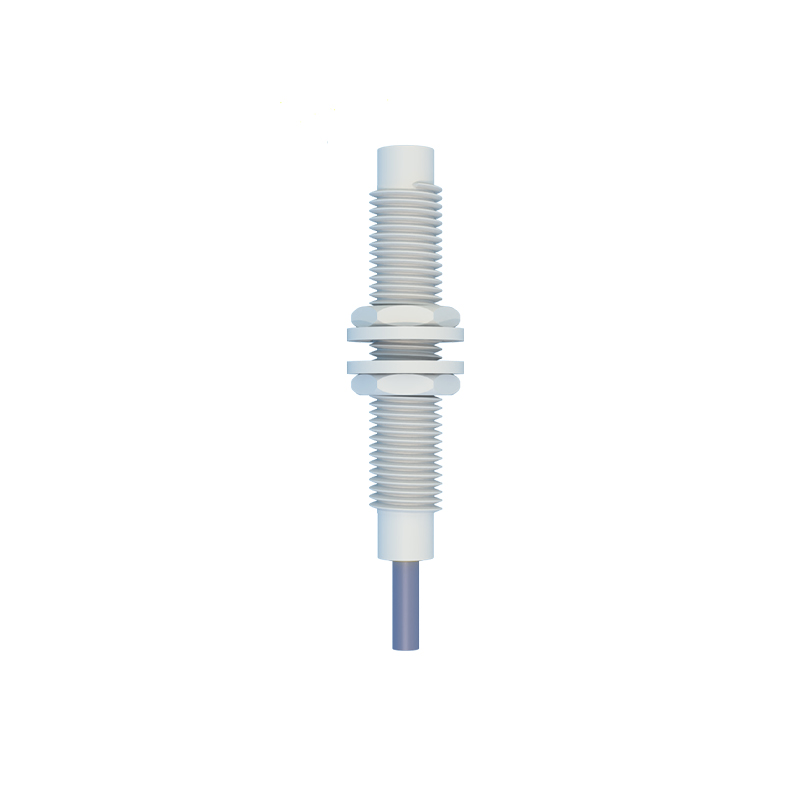
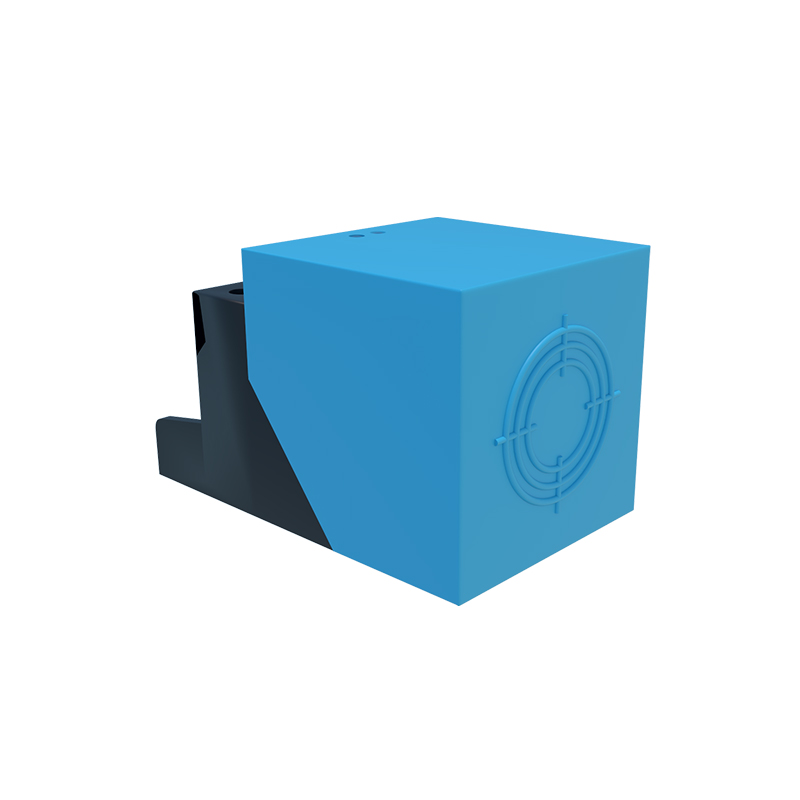
Proximity switches, on the other hand, are non-contact sensors that detect the presence or absence of objects within a specified range without physical contact. They operate based on principles such as electromagnetic induction, capacitance, or ultrasonic waves. Inductive proximity switches, for instance, generate an electromagnetic field and detect changes caused by metallic objects, making them ideal for metal detection in manufacturing lines. Capacitive versions can sense both metallic and non-metallic materials, including liquids and plastics, by measuring changes in capacitance. These switches are widely used for object counting, limit switching, and safety interlocks in automated processes. For example, in packaging machinery, proximity switches ensure that products are correctly positioned before sealing, reducing waste and enhancing productivity. Their ability to function in dusty or wet conditions, coupled with fast response times, makes them indispensable in industries like food processing and pharmaceuticals, where hygiene and precision are paramount.
When comparing gear sensors and proximity switches, it's essential to understand their distinct roles. Gear sensors are primarily motion-based, focusing on rotational parameters, while proximity switches are position-based, emphasizing object detection. However, they often complement each other in complex systems. In a robotic assembly line, gear sensors might monitor the speed of robotic arms, while proximity switches verify the presence of components before assembly, ensuring seamless operation. Selecting the right device depends on factors like the target material, environmental conditions, required accuracy, and cost. For gear sensors, considerations include gear size, tooth profile, and operating temperature, whereas for proximity switches, sensing distance, output type (e.g., NPN or PNP), and housing material are critical.
Maintenance and troubleshooting are vital for longevity. Gear sensors may require periodic cleaning to remove debris that could interfere with magnetic signals, and alignment checks to prevent misreading. Proximity switches should be inspected for wear or damage to their sensing faces and calibrated to maintain accurate detection ranges. Common issues, such as false triggers or signal loss, often stem from electrical interference or improper installation, emphasizing the need for adherence to manufacturer guidelines.
In summary, gear sensors and proximity switches are foundational to modern industrial automation, driving efficiency and safety. As technology evolves, innovations like smart sensors with IoT connectivity are emerging, enabling real-time data analysis and predictive maintenance. By understanding their principles and applications, engineers can optimize system performance, reduce downtime, and adapt to the ever-changing demands of Industry 4.0. Whether in a simple machine or a sophisticated automated plant, these components continue to shape the future of manufacturing and beyond.