In the realm of industrial automation, proximity switches are fundamental components that serve as critical sensors for detecting the presence or absence of objects without physical contact. These devices are engineered to respond to the approach of metallic or non-metallic targets, depending on their operating principle, making them indispensable in various applications such as assembly lines, robotics, and safety systems.
Proximity switches operate based on different technologies, including inductive, capacitive, ultrasonic, and optical methods. Inductive proximity switches, for instance, generate an electromagnetic field to detect metallic objects, while capacitive types sense changes in capacitance caused by non-metallic materials like plastics or liquids. This versatility allows them to function effectively in diverse environments, from harsh manufacturing floors to clean rooms.
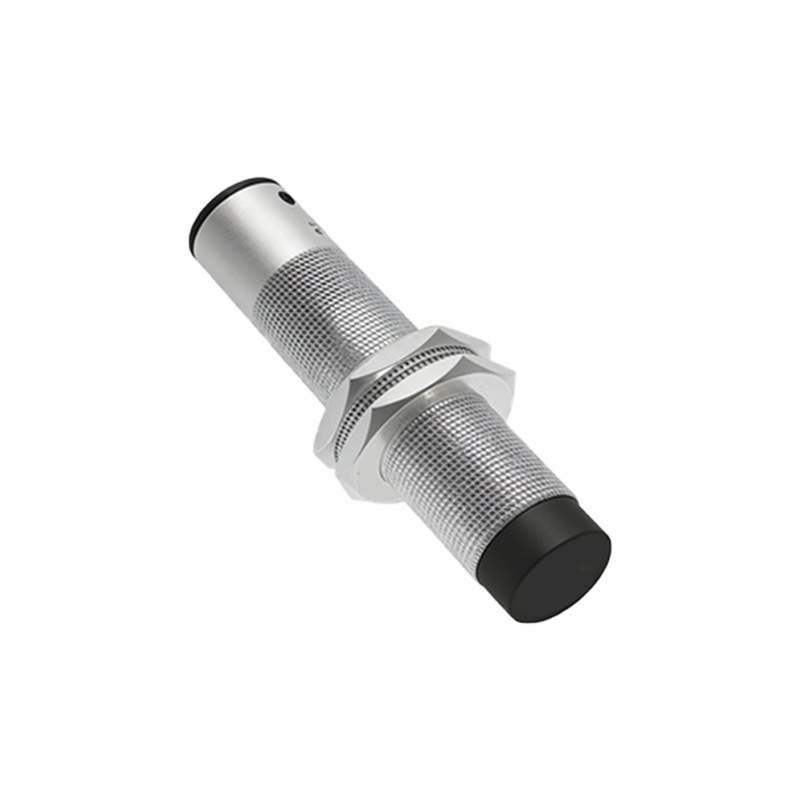
One key advantage of proximity switches is their reliability and durability. Since they lack moving parts that could wear out, they offer long service life and minimal maintenance requirements. They are designed to withstand extreme conditions, including high temperatures, vibrations, and exposure to dust or moisture, ensuring consistent performance in demanding industrial settings. This robustness translates to reduced downtime and enhanced operational efficiency.
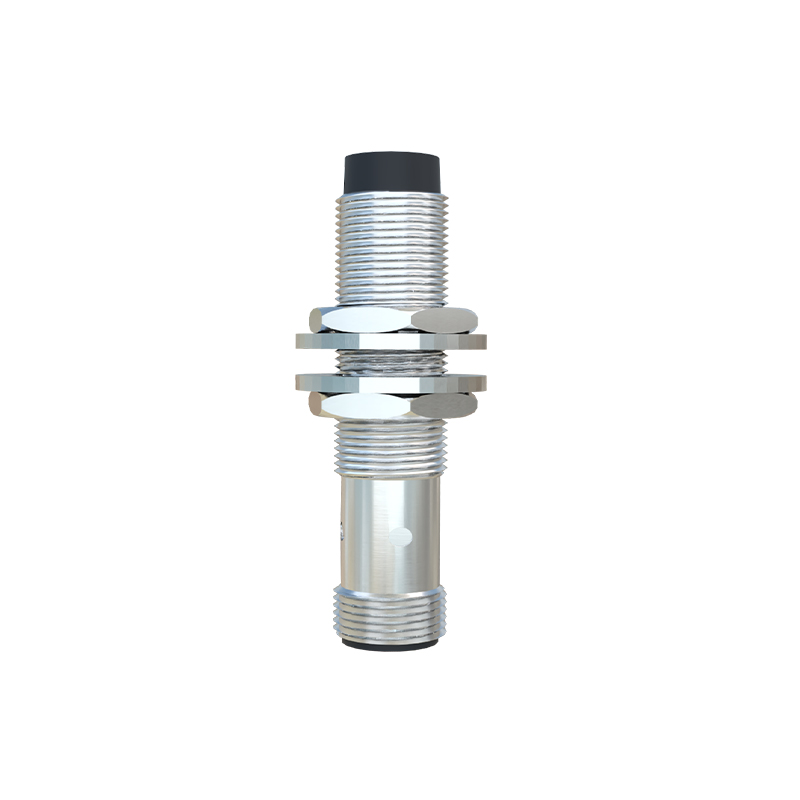
In terms of functionality, proximity switches provide precise detection with fast response times, often in milliseconds. This speed is crucial for high-speed automation processes where timing is critical. They can be integrated into control systems to trigger actions such as stopping a conveyor belt, counting items, or positioning machinery. For example, in automotive manufacturing, proximity switches ensure components are correctly aligned before welding, improving quality control.
The selection of a proximity switch depends on factors like sensing range, target material, and environmental conditions. Engineers must consider specifications such as switching frequency, output type (e.g., NPN or PNP), and housing material to match application needs. Proper installation and calibration are also essential to avoid false triggers and ensure accurate sensing.
Looking ahead, advancements in smart sensors and IoT integration are enhancing proximity switches with features like self-diagnostics and data communication. These innovations enable predictive maintenance and real-time monitoring, aligning with Industry 4.0 trends. As automation evolves, proximity switches will continue to play a vital role as sensors, driving efficiency and safety in industrial operations.
Overall, proximity switches exemplify how simple yet sophisticated sensors can transform automation. By providing non-contact detection, they reduce mechanical wear, increase safety, and support complex control systems. For engineers and technicians, understanding their principles and applications is key to optimizing industrial processes and embracing future technological developments.