In the vast landscape of industrial automation and control systems, proximity sensors are indispensable components. Their primary function is to detect the presence or absence of an object without physical contact. However, with numerous types available, distinguishing between them is crucial for selecting the right sensor for a specific application. This article provides a comprehensive guide to differentiating proximity sensors based on their operating principles, sensing ranges, output types, and physical characteristics.
The most fundamental distinction lies in the sensing technology or operating principle. The four primary categories are Inductive, Capacitive, Ultrasonic, and Photoelectric sensors. Inductive proximity sensors are designed to detect metallic objects. They generate an electromagnetic field and sense the eddy currents induced in a conductive target. A key identifier is that they typically have a sensing face made of a ferrite core and are only effective for metals. Common housing materials are nickel-plated brass or stainless steel. Capacitive proximity sensors, in contrast, can detect both metallic and non-metallic materials, including liquids, powders, and plastics. They work by measuring changes in capacitance between the sensor and the target. These sensors often have a larger sensing face and may feature sensitivity adjustment potentiometers to tune for different materials. Ultrasonic sensors emit high-frequency sound waves and measure the time it takes for the echo to return. They are excellent for detecting objects at longer ranges, regardless of color or material transparency, and are ideal for level sensing or presence detection in challenging environments. Their distinguishing feature is the presence of ultrasonic transducers. Photoelectric sensors use a light beam (visible red, infrared, or laser) and consist of a transmitter and a receiver. They are further subdivided into through-beam, retro-reflective, and diffuse reflective types, identifiable by their separate components or single housing with a reflector target requirement.
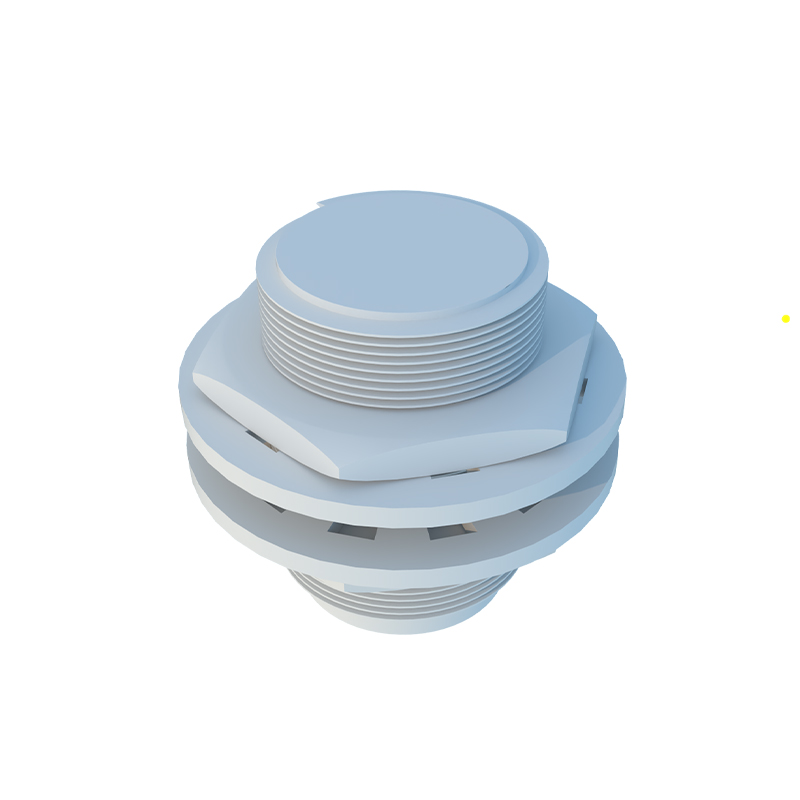
Beyond technology, the sensing range is a critical differentiator. Inductive sensors have relatively short ranges, typically from 1 to 60 mm, depending on the target metal's properties. Capacitive sensors also have limited ranges, usually up to 40 mm. Ultrasonic and photoelectric sensors offer much longer sensing distances, from a few centimeters up to several meters. The specified sensing range, often marked on the sensor body or datasheet, is a quick indicator of its type and capability.
Output configuration is another key factor. Proximity sensors primarily provide digital (discrete) outputs, which can be NPN (sinking) or PNP (sourcing) for DC models, and AC two-wire or three-wire versions. Some advanced models offer analog outputs (4-20 mA or 0-10 V) proportional to the distance, commonly found in ultrasonic and certain inductive sensors. The output type is clearly indicated on the sensor's label and connection diagram. Additionally, the physical form factor—such as cylindrical barrels (e.g., M8, M12, M18, M30 threaded barrels), rectangular blocks, or slot-style designs—often correlates with the sensor type and its typical application environment.
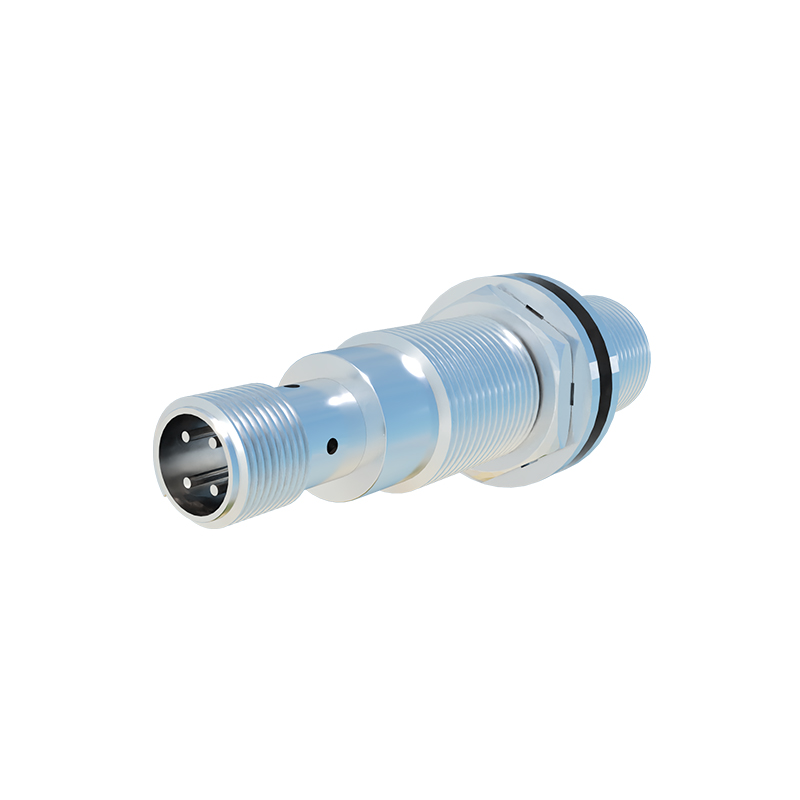
Environmental ratings are also telling. Inductive sensors are renowned for their robustness in harsh industrial settings, with high IP (Ingress Protection) ratings like IP67 or IP69K, making them resistant to dust, coolants, and washdowns. Capacitive sensors may have similar housings but are more sensitive to environmental factors like humidity. Ultrasonic sensors can be affected by temperature gradients and air turbulence, while photoelectric sensors may struggle in dirty or foggy conditions unless specifically designed with background suppression or polarized filters.
Finally, examining the part number and manufacturer's datasheet is the most definitive method. The part number encodes information about the technology (e.g., "IM" for inductive, "CM" for capacitive), housing style, sensing distance, output type, and connection method. The datasheet provides all technical specifications, including detailed operating principles, electrical characteristics, and application notes.
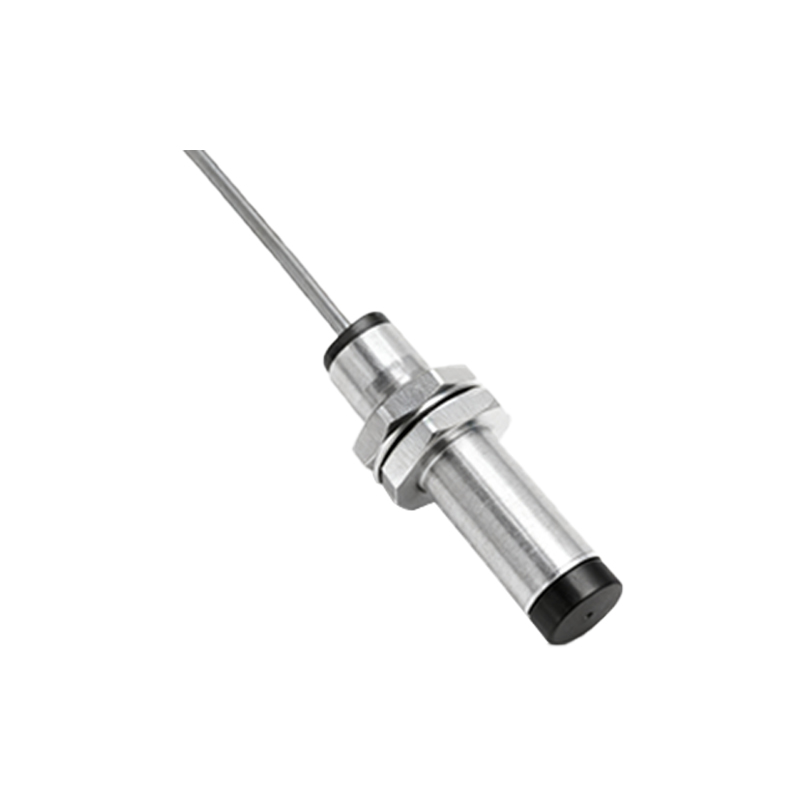
In summary, distinguishing proximity sensors requires a multi-faceted approach. Start by identifying the target material, which points to inductive or capacitive technology. Consider the required sensing distance. Examine the sensor's physical shape, housing material, and any adjustment features. Check the output type and electrical ratings on the label. For ambiguous cases, consulting the technical documentation is essential. A correct understanding of these differences ensures optimal performance, reliability, and cost-effectiveness in any automated system.