In the realm of industrial automation, proximity sensors are indispensable components, enabling non-contact detection of objects and ensuring seamless operations in manufacturing, packaging, and material handling systems. For businesses seeking reliable proximity sensor installation, selecting the right contractor is critical to achieving optimal performance, safety, and longevity. This article delves into the essential factors to consider when partnering with a proximity sensor installation company, highlighting industry best practices and common pitfalls to avoid.
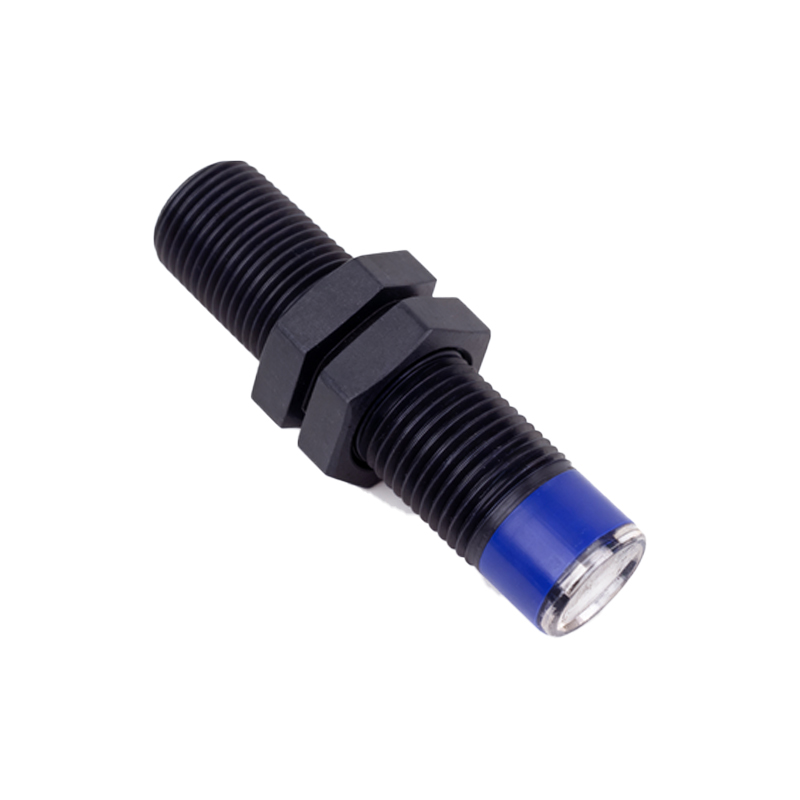
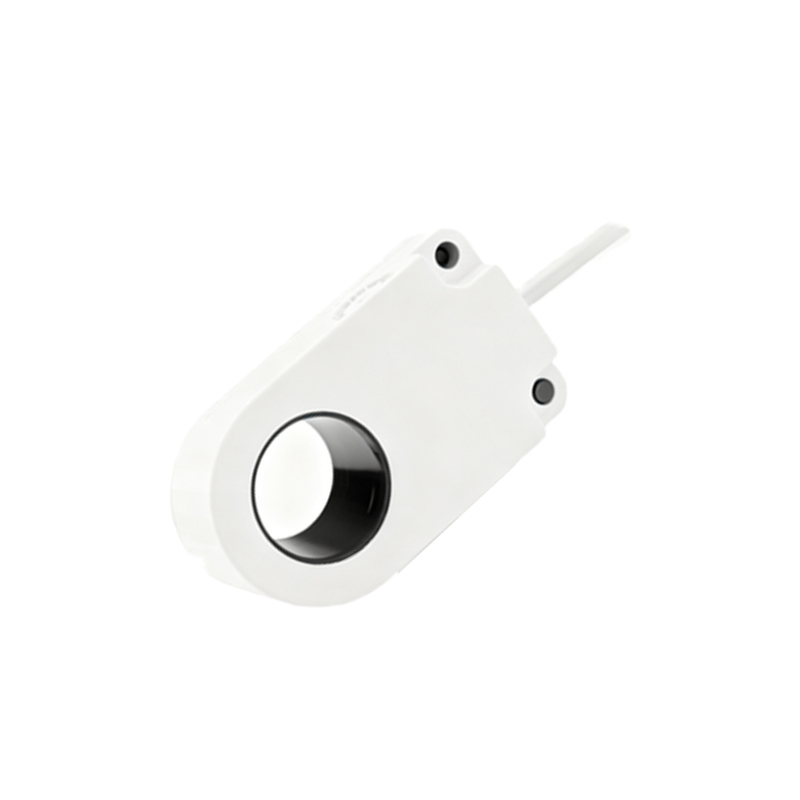
First and foremost, expertise in sensor technology is paramount. A reputable installation firm should possess in-depth knowledge of various proximity sensor types, including inductive, capacitive, ultrasonic, and photoelectric sensors. Each type has distinct applications—inductive sensors for metal detection, capacitive for non-metallic materials, ultrasonic for distance measurement, and photoelectric for precise object presence sensing. The contractor must assess the operational environment, such as temperature extremes, humidity, vibration, and potential interference from other electrical devices, to recommend the most suitable sensor. Improper selection can lead to frequent false triggers, reduced accuracy, or premature failure, disrupting production lines and incurring costly downtime.
Beyond technical know-how, installation proficiency is equally vital. Proper mounting, alignment, and wiring are crucial for sensor functionality. For instance, inductive sensors require specific clearance from metallic backgrounds to prevent shielding effects, while photoelectric sensors need precise beam alignment to avoid misreads. Experienced technicians follow manufacturer guidelines and industry standards, such as those from the International Electrotechnical Commission (IEC) or the National Electrical Manufacturers Association (NEMA), to ensure compliance and reliability. They also implement robust cable management and shielding techniques to minimize electromagnetic interference, a common issue in industrial settings with heavy machinery and high-voltage equipment.
Integration with existing control systems is another key consideration. Modern industrial facilities often use programmable logic controllers (PLCs), human-machine interfaces (HMIs), and networked systems like Ethernet/IP or PROFINET. The installation company should demonstrate competence in configuring sensors to communicate effectively with these systems, including setting parameters like switching frequency, hysteresis, and output signals (e.g., NPN vs. PNP). Seamless integration enhances data collection for predictive maintenance and process optimization, contributing to overall operational efficiency.
Safety and regulatory adherence cannot be overstated. Industrial environments pose risks such as electrical hazards, mechanical movements, and explosive atmospheres in sectors like oil and gas. A qualified contractor will prioritize safety protocols, including lockout-tagout procedures during installation, and ensure sensors meet relevant certifications (e.g., ATEX for explosive atmospheres or UL listings for electrical safety). Regular testing and calibration post-installation are essential to maintain sensor accuracy and prevent accidents, safeguarding both personnel and assets.
Cost-effectiveness and support services also play a significant role. While upfront installation costs are a factor, long-term value through reduced maintenance and energy efficiency should be evaluated. Top-tier companies offer comprehensive services, from initial site surveys and design to ongoing maintenance and troubleshooting. They provide documentation, such as as-built drawings and operation manuals, and train on-site staff to handle basic adjustments. In case of sensor failure, prompt technical support minimizes downtime, ensuring continuous production flow.
In conclusion, choosing a proximity sensor installation company requires a holistic approach. Prioritize firms with proven expertise, adherence to standards, and a commitment to safety. By investing in professional installation, industries can enhance automation reliability, improve productivity, and achieve a competitive edge in today’s fast-paced market.