In the industrial automation and control systems sector, proximity sensors are indispensable components for detecting the presence or absence of objects without physical contact. Understanding the model numbers of these sensors is crucial for proper selection, integration, and maintenance. This guide provides a comprehensive interpretation of typical proximity sensor model codes, based on industry-standard naming conventions used by leading manufacturers.
A standard proximity sensor model number is usually composed of a series of alphanumeric codes, each segment representing specific technical parameters or features. Typically, the model string begins with a series prefix indicating the product family or series. For example, "E2E" might denote a cylindrical inductive proximity sensor series from a particular brand. Following the series code, characters often specify the sensing distance. A common representation is a two-digit number, such as "08" for 8mm or "18" for 18mm sensing range. This is a critical parameter determining the installation and operational gap requirements.
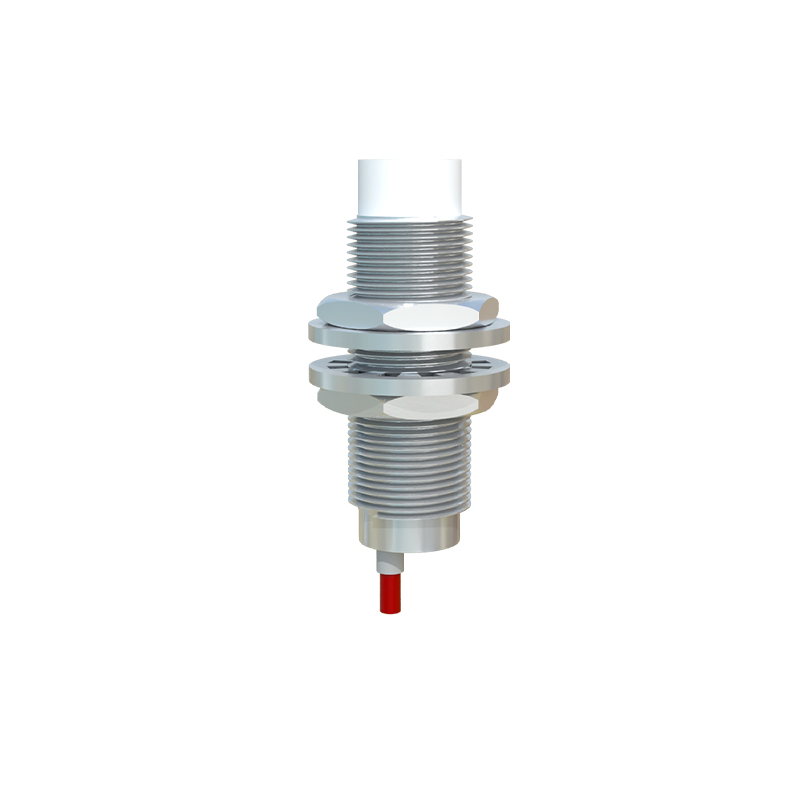
The next segment frequently describes the sensor's housing shape and size. Codes like "M8," "M12," "M18," or "M30" refer to the standardized metric thread size of the cylindrical housing. Rectangular or block-style sensors may use codes like "C" for cubic or "F" for flat package. The housing material is sometimes implied or explicitly stated in adjacent codes, such as "S" for stainless steel or "P" for PBT plastic.
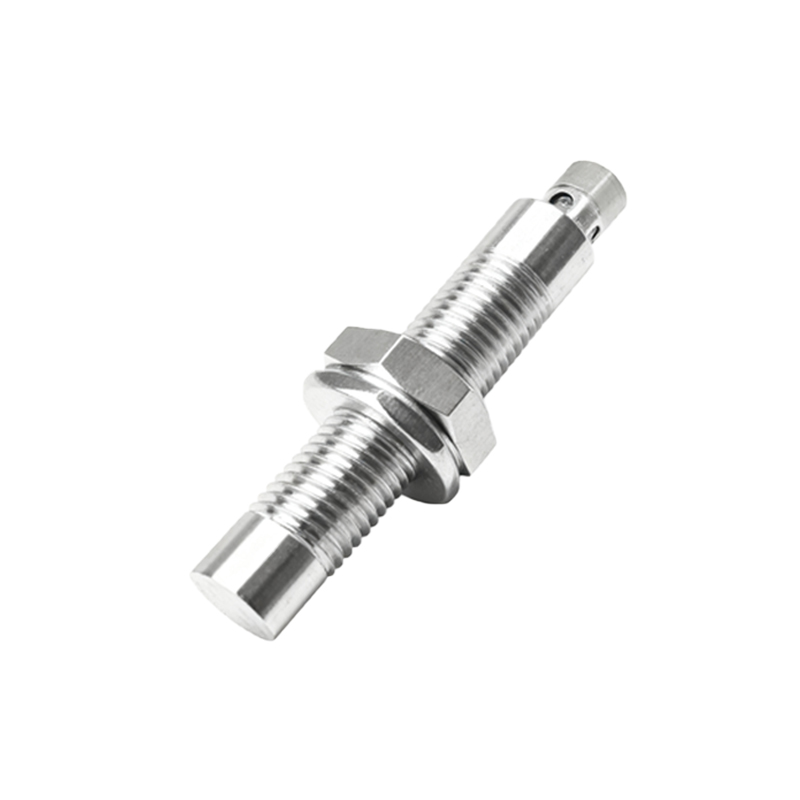
Subsequent characters often define the electrical output type and wiring configuration. Key output indicators include "N" for NPN (sinking output), "P" for PNP (sourcing output), and "A" for analog output (e.g., 4-20mA or 0-10V). Codes like "2-wire," "3-wire," or "4-wire" may appear or be abbreviated. For DC sensors, voltage ratings like "10-30VDC" are commonly embedded. AC models might show "90-250VAC." The output function, normally open (NO) or normally closed (NC), is also encoded, often as "NO" or "NC."
Another vital part of the model number indicates the sensing technology: inductive, capacitive, or magnetic. While the series prefix often hints at this, specific suffixes can confirm it. Inductive sensors (detecting metals) may have suffixes like "-I," capacitive (detecting various materials including liquids) "-C," and magnetic (reed switch types) "-M." Some model numbers also include environmental protection ratings, crucial for harsh conditions. The Ingress Protection (IP) rating, such as IP67 or IP69K, might be represented directly or through a code like "K" for a high-pressure washdown version.
Temperature range specifications are sometimes included, especially for extreme environment models. Codes like "/T" followed by numbers can indicate an extended operating temperature range, e.g., "-25...70°C." Connection type is another common feature: "Cable" versions might have a code for cable length and type (e.g., "2M PUR"), while "Connector" versions specify the connector style (e.g., "M12 4-pin").
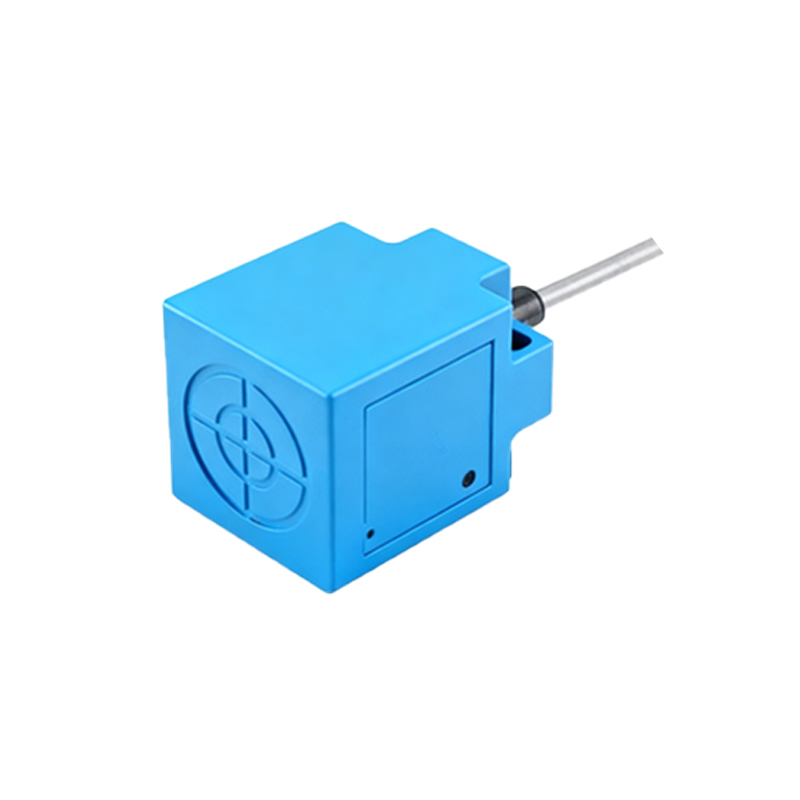
Special function indicators are also embedded. These include short-circuit protection (SC), reverse polarity protection (RP), weld-field immunity (WF) for inductive sensors in welding environments, and synchronization capability for preventing interference when multiple sensors are mounted closely. For example, a code like "F" might denote a factor-1 (standard) sensing characteristic, while "F2" could indicate a factor-2 sensor for detecting non-ferrous metals.
To illustrate, consider a hypothetical model: E2E-X18MF1-M1TJ 0.3M. Breaking it down: "E2E" is the series (inductive cylindrical). "X18" suggests an 18mm diameter and likely an 8mm sensing distance. "M" indicates a metal (stainless steel) housing. "F1" specifies a standard sensing factor for steel. "M1" could denote an M12 connector type. "TJ" might represent a special temperature range or coating. "0.3M" is the pre-wired cable length.
Always consult the specific manufacturer's datasheet for definitive decoding, as conventions vary. Omron, Sick, Pepperl+Fuchs, and Schneider Electric, for instance, have their own nuanced systems. However, grasping this general structure empowers engineers and technicians to quickly identify key specifications, streamline procurement, ensure compatibility, and troubleshoot effectively. Proper interpretation prevents costly mismatches and downtime, making it an essential skill in electrical and automation engineering.