Magnetic proximity sensors are essential components in industrial automation, offering reliable non-contact detection of ferrous objects. As an electrical engineer, understanding the cost structure of these sensors is crucial for project budgeting and system design. The pricing of magnetic proximity sensors varies significantly based on multiple technical and commercial factors, ranging from as low as $15 for basic models to over $200 for high-performance specialized units.
The primary determinant of cost is the sensor type and technology. Standard tubular inductive sensors with magnetic actuation typically start at $15-$40 per unit in small quantities. More advanced models featuring extended sensing ranges, often up to 15mm, can cost between $40-$80. Factors influencing this include housing material—stainless steel housings increase durability and price compared to nickel-plated brass or PBT plastic.
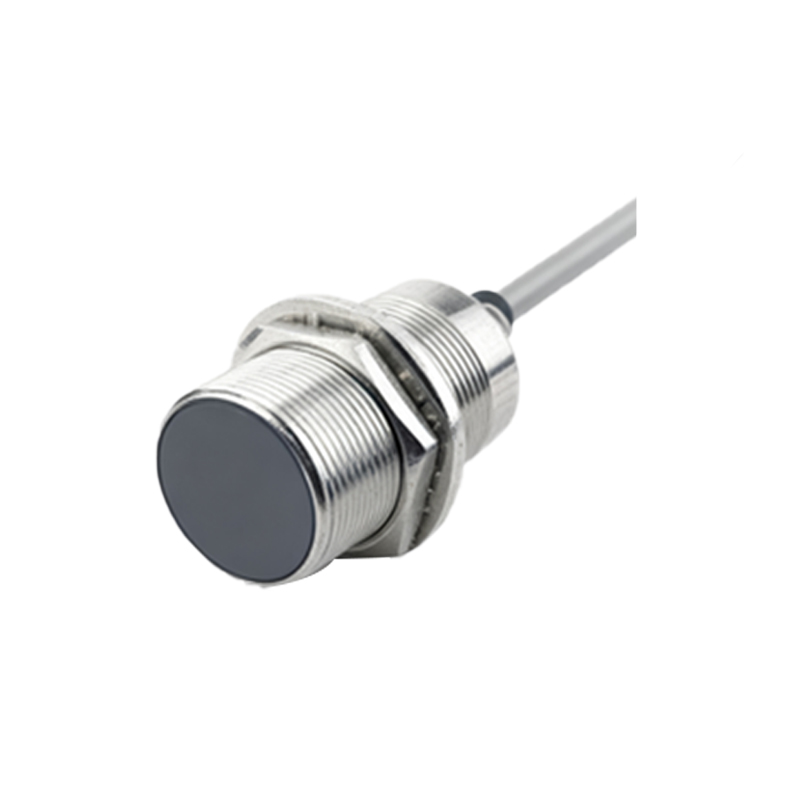
Performance specifications dramatically affect pricing. Sensors with higher switching frequencies (up to 5kHz), superior temperature tolerance (-40°C to 85°C), and enhanced protection ratings (IP67/IP69K) command premiums. For instance, analog output or IO-Link enabled sensors incorporating smart diagnostics and parameterization capabilities typically range from $60-$150. Explosion-proof versions for hazardous areas (ATEX/IECEx certified) represent the premium segment, often exceeding $150 per sensor.
Electrical characteristics significantly impact cost. DC 3-wire sensors are generally more economical than 2-wire AC/DC versions. Voltage range compatibility (10-30V DC vs 20-250V AC/DC) also affects pricing, with wider ranges increasing manufacturing complexity. Output configurations (PNP vs NPN, NO vs NC) create minor price variations, though PNP sourcing outputs sometimes carry a 5-10% premium in certain markets.
Form factor and mounting style contribute to cost differences. Miniature sensors (M5/M8 threaded barrels) often cost 20-30% more than standard M12/M18 models due to precision manufacturing requirements. Special geometries like rectangular block sensors or ring sensors for specific applications involve custom tooling, increasing unit prices by 30-50%.
Quantity purchasing fundamentally alters cost calculations. For OEM volumes exceeding 500 units, prices can drop 30-40% through manufacturer discounts. Distributor pricing for single units includes 40-60% markup over factory prices, while direct manufacturer purchases for large projects offer the best value but require minimum order quantities (typically 100+ units).
Additional cost considerations include certification expenses (UL, CE, RoHS compliance adding 5-15% to base price), cable/connector integration (M12 connectors adding $5-$15), and packaging requirements. Smart sensors with condition monitoring capabilities represent the growing premium segment, offering predictive maintenance features that justify their $80-$200 price range through reduced downtime.
Regional manufacturing also influences pricing. European-brand sensors (e.g., Siemens, Pepperl+Fuchs) typically command 15-25% premiums over Asian equivalents, reflecting differences in warranty (often 3-5 years vs 1-2 years) and perceived reliability. However, quality Asian manufacturers now offer competitive alternatives at 20-30% lower price points without significant performance compromises.
When budgeting, engineers should consider total cost of ownership rather than just unit price. Factors like mean time between failures (MTBF), maintenance requirements, and compatibility with existing control systems significantly impact long-term expenses. For critical applications, investing in higher-priced sensors with proven track records often proves more economical than frequent replacements of cheaper alternatives.
The market continues evolving with wireless and battery-powered magnetic sensors entering specialized niches at premium prices ($120-$250). As Industry 4.0 adoption accelerates, expect moderate price increases for smart-enabled sensors while basic models may see gradual declines due to manufacturing efficiencies and competitive pressure.
Ultimately, selecting magnetic proximity sensors requires balancing technical requirements with budget constraints. By understanding how each specification affects pricing, engineers can make informed decisions that optimize both performance and project economics without compromising system integrity.