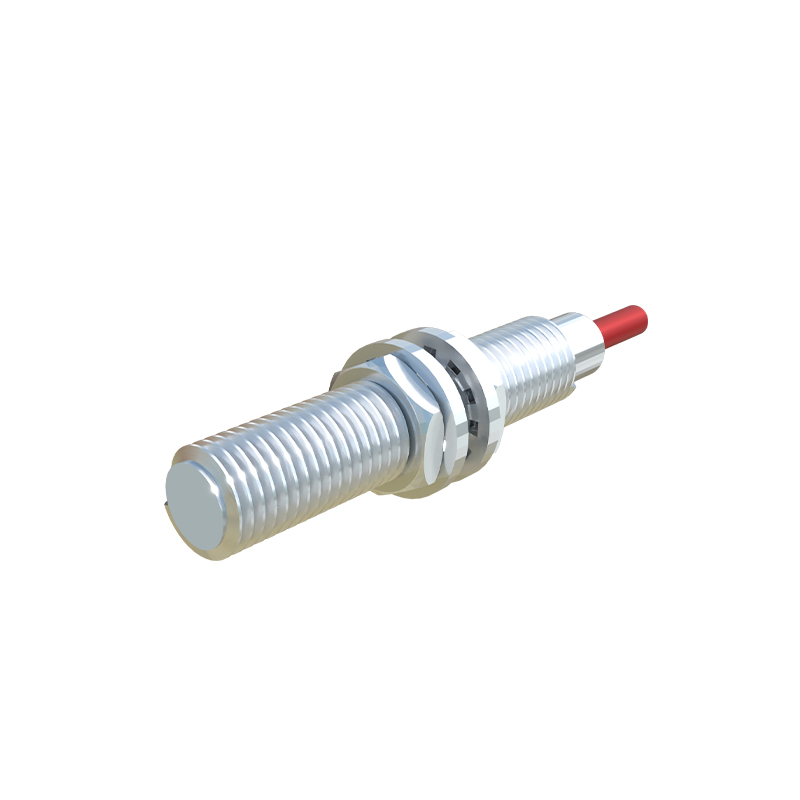
In the realm of industrial automation and control systems, proximity switch sensors stand as fundamental components, enabling non-contact detection of objects with high reliability and precision. These devices, often simply called proximity sensors, are engineered to detect the presence or absence of a target object without any physical contact, thereby eliminating mechanical wear and tear and allowing for high-speed operation. Their operation hinges on the principle of generating an electromagnetic field or a beam of radiation and detecting changes in that field or the return signal caused by a target entering its sensing range.
The core working principle varies by type, but the outcome is consistent: a solid-state electronic switch changes state. Inductive proximity sensors are among the most common. They generate an oscillating electromagnetic field from a coil in the sensor face. When a metallic object (the target) enters this field, eddy currents are induced in the object, which dampens the oscillation amplitude. The sensor's internal circuit detects this damping and triggers a switching output. These sensors are ideal for detecting ferrous and non-ferrous metals, with sensing ranges typically from a few millimeters to about 60 millimeters. Their robustness makes them perfect for harsh environments with dust, oil, or coolant.
Capacitive proximity sensors operate on a different principle. They can detect both metallic and non-metallic materials, such as plastics, wood, liquids, and granular substances. The sensor forms one plate of a capacitor, with the target object acting as the other plate. As the target approaches, the capacitance between the sensor and the target increases. The sensor's circuitry monitors this change and activates the output when a preset threshold is reached. This versatility allows for applications like liquid level detection, material handling, and presence verification of non-metallic objects.
For longer-range detection or for sensing non-metallic objects where capacitive sensors might be less suitable, photoelectric sensors are employed. While not always classified strictly under "proximity switches," their diffuse-reflective variant functions similarly. They emit a beam of light (visible red, infrared, or laser) and detect the light reflected directly from the target object. Ultrasonic proximity sensors use sound waves, emitting ultrasonic pulses and measuring the time for an echo to return. Both types offer sensing distances from centimeters to several meters.
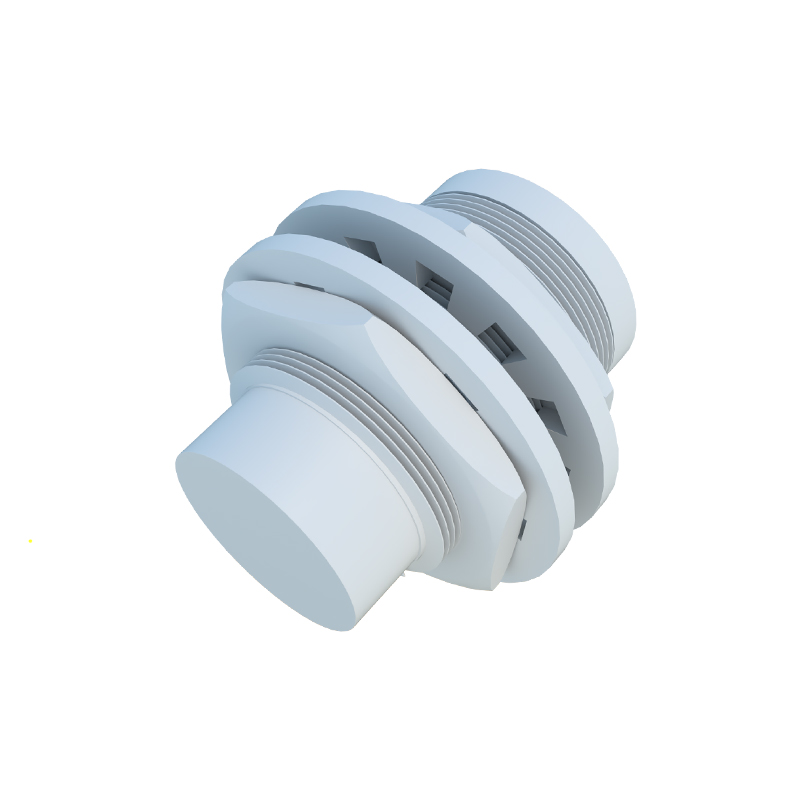
The output of a proximity sensor is a critical specification. Common outputs include DC NPN (sinking) or PNP (sourcing) transistor configurations, which interface seamlessly with programmable logic controllers (PLCs) and other control systems. Some models offer analog outputs (4-20 mA or 0-10V) proportional to distance, or special IO-Link digital communication for advanced diagnostics and parameter setting.
Selecting the right proximity sensor requires careful consideration of several application parameters. The sensing distance, or nominal range, must be suitable for the installation geometry. Factors like target material, size, and shape significantly influence performance. The sensor's housing material (often nickel-plated brass, stainless steel, or PBT plastic) must withstand the environmental conditions, including temperature extremes, chemical exposure, and mechanical shocks. Electrical requirements such as supply voltage, output current, and switching frequency are equally paramount.
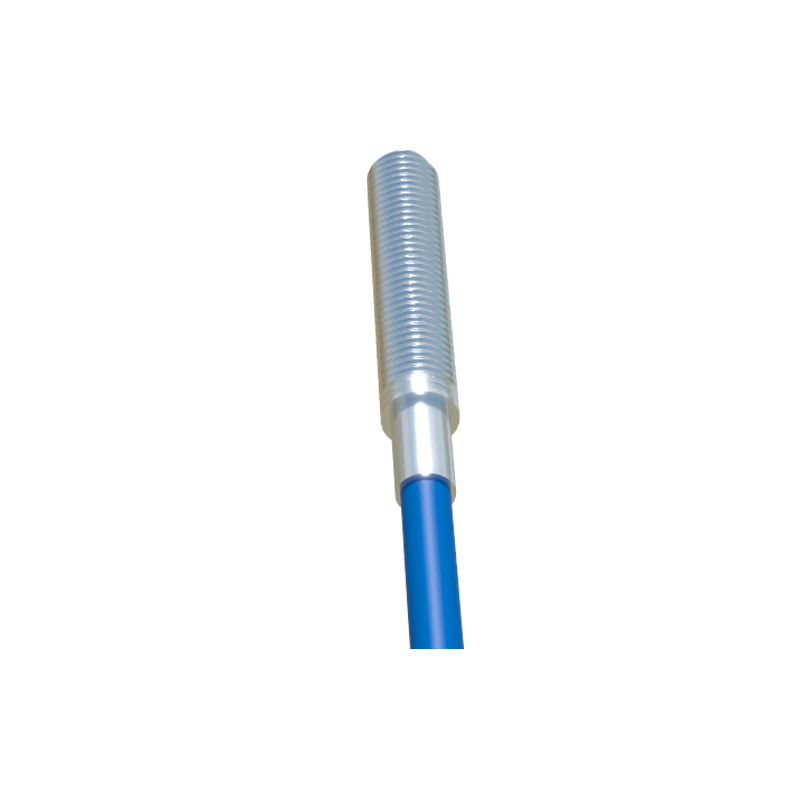
In practical industrial applications, proximity sensors are ubiquitous. On assembly lines, they count products, verify part placement, and control robotic pick-and-place operations. In machine tools, they serve as limit switches to define axis travel or detect tool presence. They monitor fill levels in tanks and hoppers, control door positions, and ensure safety in automated systems by confirming guard closure. Their solid-state design ensures millions of reliable switching cycles, contributing directly to increased machine uptime and reduced maintenance costs.
Installation and wiring practices are straightforward but crucial. Proper mounting, ensuring adequate clearance from metal surfaces (to prevent false triggering), and correct shielding and grounding of cables are essential for noise immunity. Modern sensors often feature built-in LED indicators for status monitoring, simplifying commissioning and troubleshooting.
In conclusion, proximity switch sensors are indispensable workhorses in modern industrial automation. Their ability to provide fast, reliable, and wear-free object detection across a vast array of materials and conditions underpins efficient and intelligent manufacturing processes. From simple presence detection to complex positioning tasks, the correct application of these sensors is a cornerstone of robust control system design, driving productivity and operational safety in facilities worldwide.