In the rapidly evolving landscape of industrial automation and sensing technology, the versatility of fiber optic sensors has garnered significant attention. A common inquiry among engineers and system designers is whether fiber optic sensors can effectively serve as proximity sensors. This article delves into the technical feasibility, operational principles, and practical applications of using fiber optic sensors for proximity detection, providing a comprehensive analysis for professionals in the electrical and automation industries.
Fiber optic sensors operate based on the modulation of light properties—such as intensity, phase, or wavelength—as it travels through an optical fiber. These sensors are renowned for their immunity to electromagnetic interference (EMI), high sensitivity, and ability to function in harsh environments, including extreme temperatures, corrosive atmospheres, or explosive areas. Proximity sensors, on the other hand, are designed to detect the presence or absence of an object within a specified range without physical contact. Traditional proximity sensors often rely on inductive, capacitive, or ultrasonic principles. The question arises: can the light-based mechanism of fiber optic sensors achieve similar proximity detection?
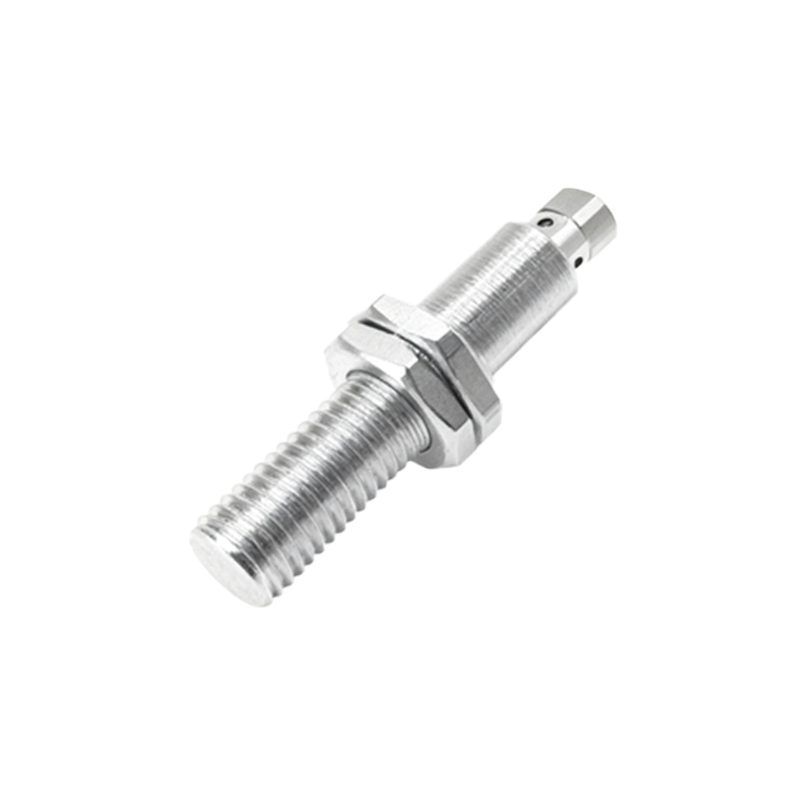
The answer is affirmative. Fiber optic sensors can indeed be configured as proximity sensors, primarily through reflective or through-beam setups. In a reflective configuration, the sensor emits light from its tip; when an object enters the detection zone, light reflects back into the fiber, triggering a signal change. This method is akin to photoelectric proximity sensing but leverages optical fibers for signal transmission, allowing the sensing head to be placed remotely from the electronics. Through-beam configurations involve separate emitter and receiver fibers, where an object interrupting the light beam indicates presence. These approaches enable precise detection of objects based on distance, with typical ranges from a few millimeters to several meters, depending on fiber type, light source, and target reflectivity.
Key advantages of using fiber optic sensors as proximity sensors include their small size, flexibility, and environmental robustness. The sensing tip can be miniaturized to fit into tight spaces, and the fiber itself can bend around obstacles, facilitating installation in complex machinery. Moreover, since the optical signal is immune to EMI, these sensors perform reliably near motors, welders, or high-voltage equipment where traditional sensors might fail. They are also inherently safe in hazardous locations, as they do not generate sparks or carry electrical currents at the sensing point.
However, limitations exist. Fiber optic proximity sensors may be sensitive to ambient light or surface characteristics of the target, such as color or texture, which can affect reflectivity and detection consistency. Calibration and selection of appropriate light sources (e.g., infrared or visible) are crucial for optimal performance. Additionally, cost can be higher compared to standard inductive proximity sensors, though this is often offset by reduced downtime and maintenance in demanding applications.
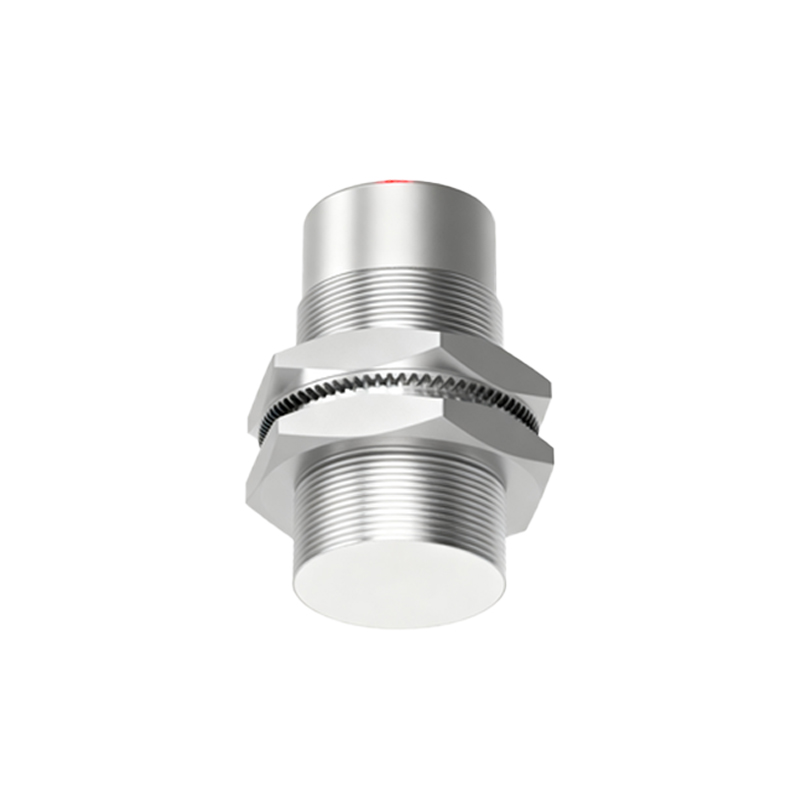
In practice, fiber optic proximity sensors find use in diverse sectors. In manufacturing, they detect minute parts on assembly lines, monitor tool wear, or ensure proper positioning in CNC machines. In the energy sector, they safeguard equipment by detecting encroachment in high-voltage substations. Medical devices employ them for non-invasive monitoring, while aerospace applications leverage their lightweight and reliable nature for structural health monitoring.
To implement fiber optic sensors for proximity sensing, engineers should consider factors like detection range, response time, and environmental conditions. Pairing with compatible amplifiers or controllers that convert optical signals to electrical outputs is essential for integration into control systems. Regular maintenance, such as cleaning fiber ends to prevent contamination, ensures long-term accuracy.
In conclusion, fiber optic sensors are a viable and often superior alternative for proximity sensing in specific scenarios. Their unique attributes—EMI immunity, environmental resilience, and design flexibility—make them invaluable in modern industrial setups. As technology advances, with improvements in fiber materials and signal processing, their role in proximity detection is poised to expand, offering engineers innovative solutions for complex sensing challenges.